10 Modern Boxing Rematches That Redefined Strategy and Scoring
A good rematch rarely settles anything. Styles clash in new ways, judges see different angles, and the story from the first fight shifts just enough to divide fans all over again. These ten modern do-overs still draw arguments because people remember the moments that felt close or complicated, not the official result on the card.
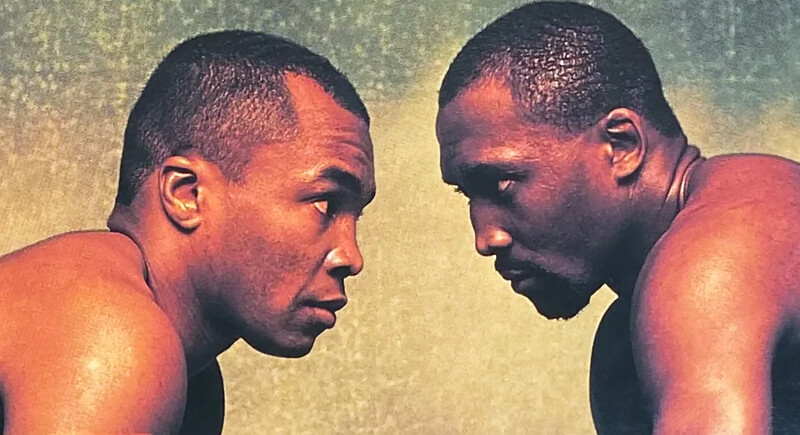
Sugar Ray Leonard And Thomas Hearns
Credit: Wikipedia
Both corners reacted immediately after the third-round knockdown. Emanuel Steward told Hearns to use his reach and keep the fight at range, while Leonard’s team pushed him to raise his output. Hearns scored another knockdown in the eleventh, and the narrow 113–112 result demonstrated how judges in that era evaluated activity, clean punches, and ring control differently.
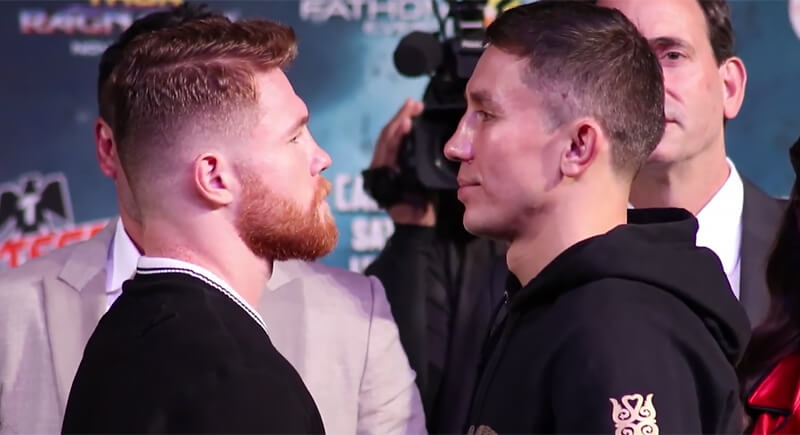
Canelo Alvarez And Gennadiy Golovkin
Credit: Youtube
This fight became a reference point for body-punch valuation. Nevada’s judges historically rewarded sustained pressure at close range, which intersected with Canelo’s mid-fight surge. Golovkin’s heavy jab output remained statistically superior, yet the rulebook’s emphasis on “effective aggression” shaped the interpretation. The scoring debate eventually influenced seminars for new judges entering the commission system.
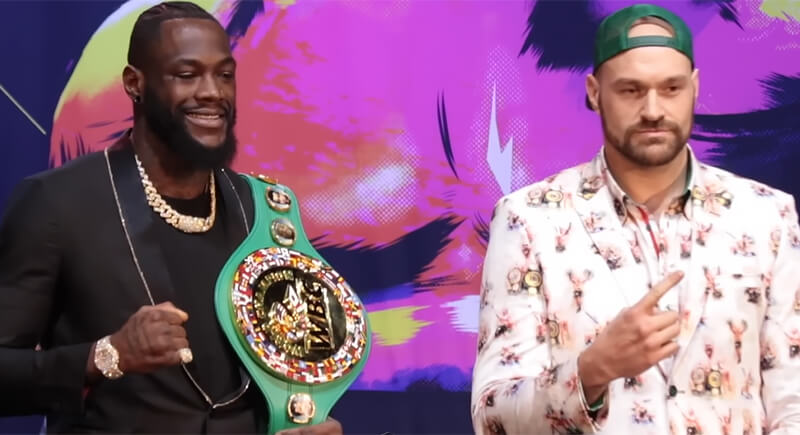
Tyson Fury And Deontay Wilder
Credit: Youtube
Analysts studying this event often highlight the ring-size negotiation that preceded it. Fury favored the larger surface because it helped set angles for his step-in right hand. Weight and leverage played visible roles, but ring geography mattered too. The technical dominance shifted attention toward how contractual details shape heavyweight tactics well before the opening bell.
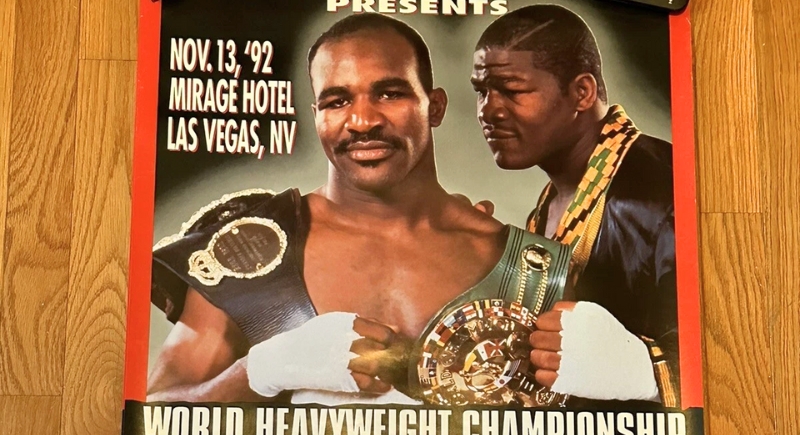
Evander Holyfield And Riddick Bowe
Credit: ebay
The rematch’s complexity largely came from Holyfield’s decision to throw shorter, quicker combinations to offset Bowe’s reach. He developed this approach after sparring with faster cruiserweights. The Fan Man incident grabbed headlines, but the tape shows Holyfield regaining control by shifting his rhythm and timing. His adjustments shaped how trainers later prepared fighters to handle size gaps in the mid-1990s heavyweight division.
Manny Pacquiao And Juan Manuel Marquez
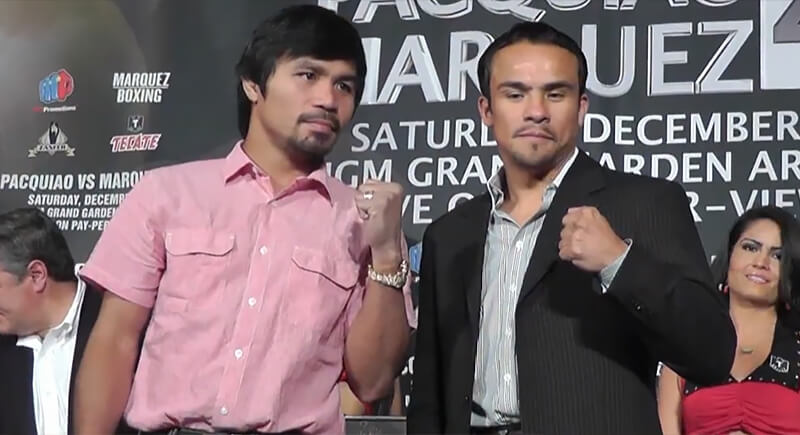
Credit: Youtube
Observers often return to this rematch to study how both fighters read feints. Márquez responded to Pacquiao’s shoulder dips and used them to anticipate incoming combinations. Pacquiao scored a knockdown that momentarily changed the pace, but both fighters continued to adjust in the same tactical rhythm. The close scorecards later became an example of how a single big moment complements steady, round-to-round work in a tight fight.
Arturo Gatti and Micky Ward
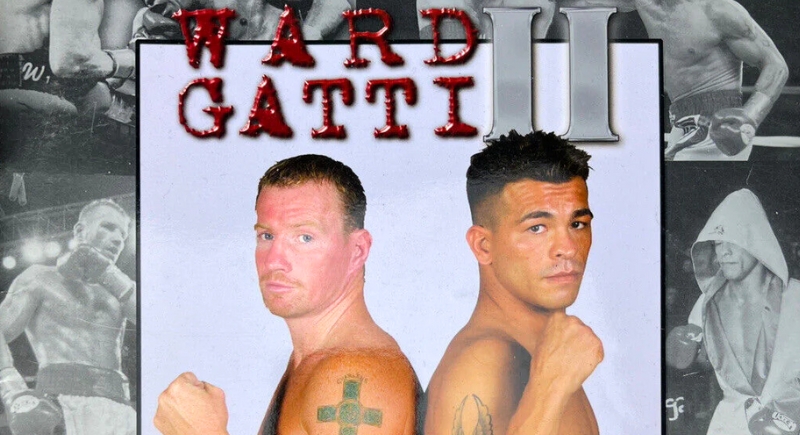
Credit: oldsouled
Gatti changed his approach in the rematch, especially in the way he used his jab. With Buddy McGirt in his corner, he threw it far more often and missed less than he had in their first fight. Ward still pushed the pace in the later rounds, but Gatti’s more controlled strategy held up. Trainers later pointed to this fight as one of the examples that encouraged early-2000s gyms to emphasize jab-focused game plans.
Roman Gonzalez and Juan Francisco Estrada

Credit: IMDb
Coaches studying this rematch often focus on the fighters’ subtle footwork adjustments rather than their overall punch totals. González kept sliding diagonally after each exchange, while Estrada stepped back to create space for counters. These different patterns produced lengthy, technical sequences that were difficult to score in real-time. The wide 117–111 card reopened discussion about how judges learn to evaluate close exchanges when neither fighter creates a clear shift in momentum.
James Toney and Mike McCallum
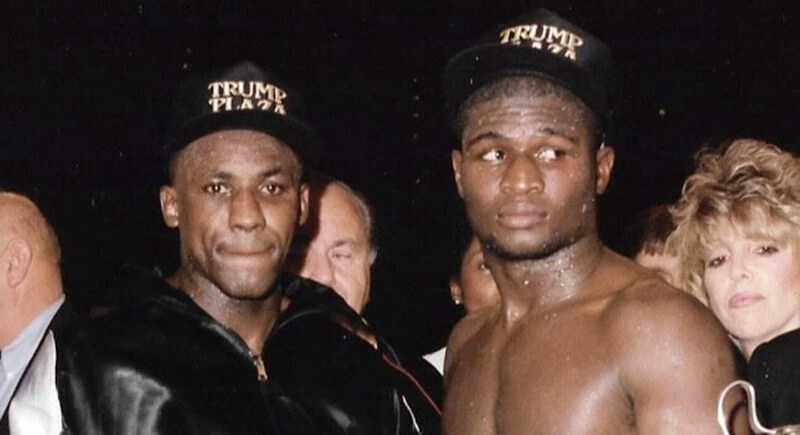
Credit: ebay
Preparation played a bigger role in this rematch than the pace of the fight. McCallum spent long sessions sparring with southpaws to improve his timing, while Toney worked with Bill Miller on turning shoulder rolls into counter hooks. The wide scorecards surprised many viewers, but the footage shows steady, gradual shifts in control. Trainers later used this bout in advanced clinics to explain ring generalship and efficient defense.
Michael Carbajal and Humberto González
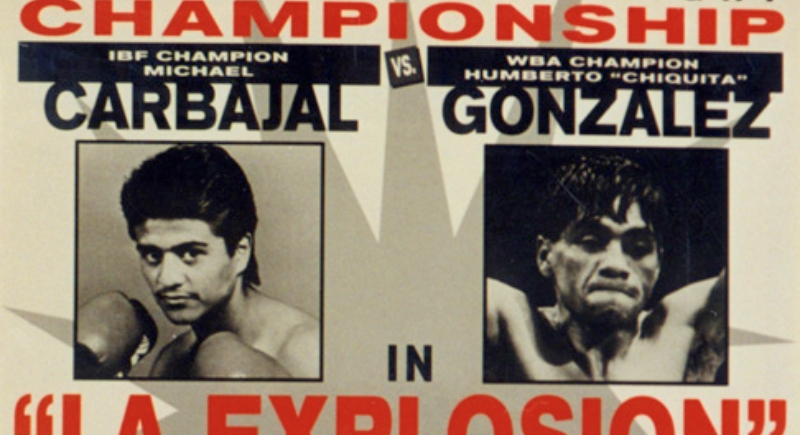
Credit: Wikipedia
Television executives viewed this rematch as an opportunity to expand their lighter-weight coverage, which influenced the promotion and commentary. González controlled tempo with disciplined combinations, thus avoiding the firefights that defined their first bout. Carbajal’s rallies created tension, but not enough to swing the result. The fight’s commercial success transformed network interest in junior flyweights.
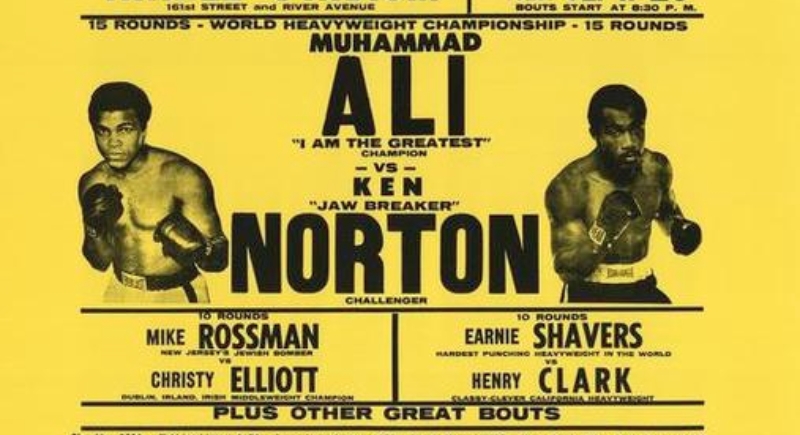
Muhammad Ali and Ken Norton
Credit: Wikipedia
Training notes from Big Bear indicate that Ali prioritized endurance work to counter Norton’s disruptive rhythm. Norton’s angled guard continued to limit clean jabs, which forced Ali into intermittent bursts. The split decision reflected a clash of styles rather than scoring confusion.