Basketball Arenas That Have Hosted the Most March Madness Games
March Madness brings its intensity to cities across the country, but only a few arenas have truly defined the tournament’s history. While a couple of these venues no longer exist, they still rank among the most-used of all time. These arenas helped shape the March Madness growth by drawing massive crowds and delivering unforgettable moments.
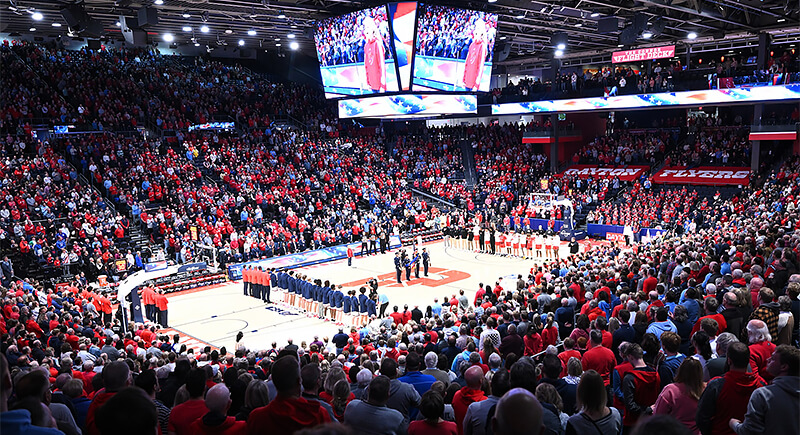
University of Dayton Arena – 137 Games
Credit: Wikipedia
Year after year, this arena stays on the bracket. The University of Dayton Arena hasn’t missed a beat since 1970 and plays an important role as the home of the First Four. Its consistent presence makes it a foundation of the tournament’s opening action. Dayton’s location and strong basketball culture help explain its top spot.
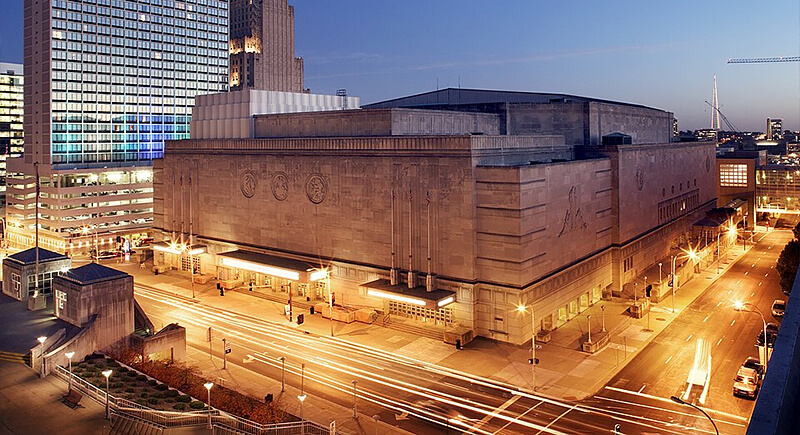
Municipal Auditorium – 83 Games
Credit: Wikimedia Commons
Kansas City’s Municipal Auditorium has handled much of the initial tournament weight. Between 1940 and 1964, it became a site for nine national championship games, more than any other location. Indiana, North Carolina, and UCLA all celebrated major wins here. With 13 regional finals also on record, it leads all venues in that category.
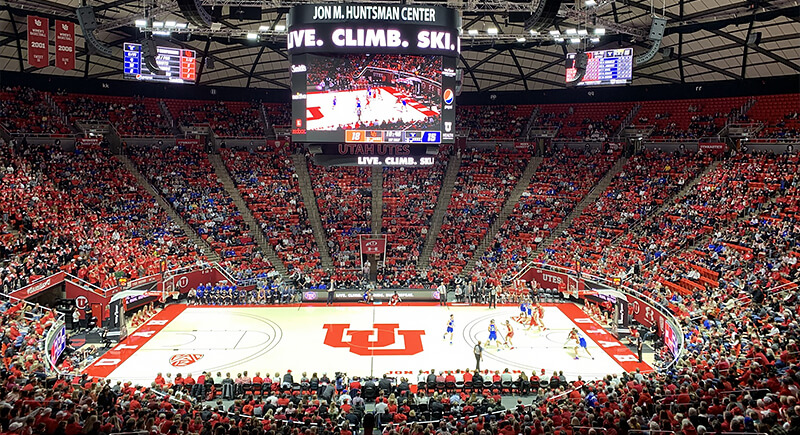
Jon M. Huntsman Center – 81 Games
Credit: Facebook
The 1979 title game between Magic Johnson’s Michigan State and Larry Bird’s Indiana State happened in Salt Lake City’s Jon M. Huntsman Center. The game drew significant national attention and helped push the tournament into the spotlight. Originally called the Special Events Center, the arena began hosting in 1971 and last appeared in 2006.
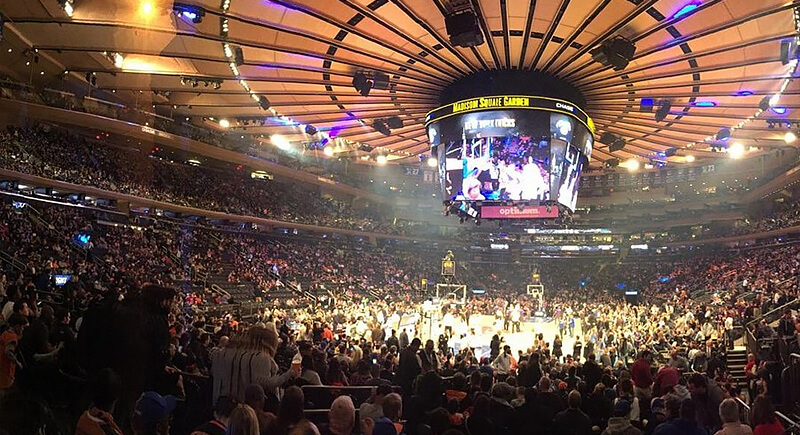
Madison Square Garden – 80 Games
Credit: Tripadvisor
Madison Square Garden hosted its first NCAA tournament game in 1943 and remained part of the tournament through the early 1960s. It staged six consecutive national championship games from 1943 to 1948, then hosted another in 1950. Teams such as Holy Cross, Kentucky, and Utah won titles here during that nationally watched stretch.
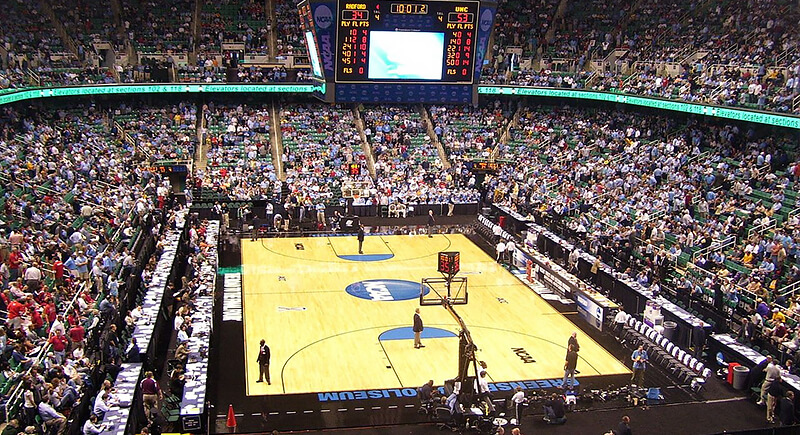
Greensboro Coliseum – 69 Games
Credit: Wikipedia
NC State fans remember 1974 clearly because that year, the Greensboro Coliseum welcomed the Final Four. It was here that the Wolfpack beat Marquette to win their first title. The arena started hosting that same year. With North Carolina leading all states in total games hosted, Greensboro’s share stands out.
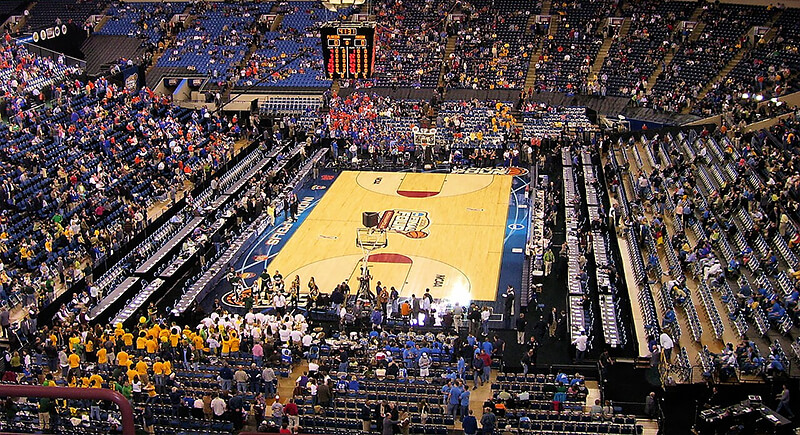
RCA Dome – 60 Games
Credit: Wikipedia
The RCA Dome drew the largest early-round crowds the tournament had ever recorded. In 1990, more than 117,000 fans packed the building across the first two rounds. Its demolition in 2008 ended its run, but the two decades of hosting reshaped expectations for crowd size and tournament atmosphere.
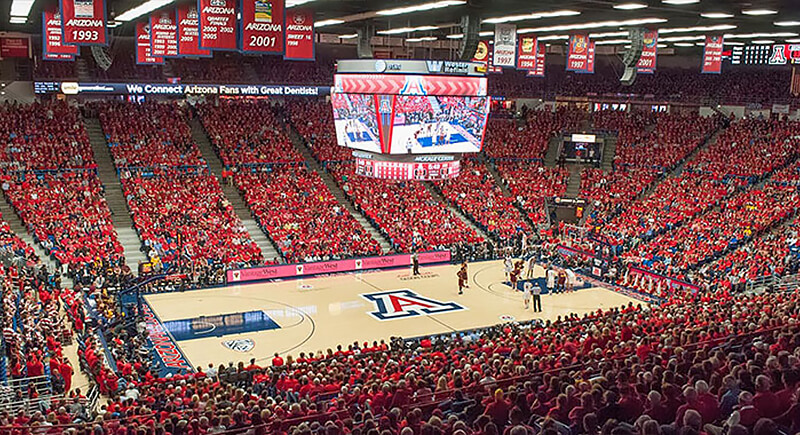
McKale Center – 59 Games
Credit: Wikimedia Commons
Located on the University of Arizona campus, the McKale Center began its tournament run in 1974. Its first year, it hosted the West Regional, where UCLA beat San Francisco. Over nearly four decades, it became a consistent early-round site. By the time it last organized in 2011, it had secured its place among the ten most active NCAA venues.
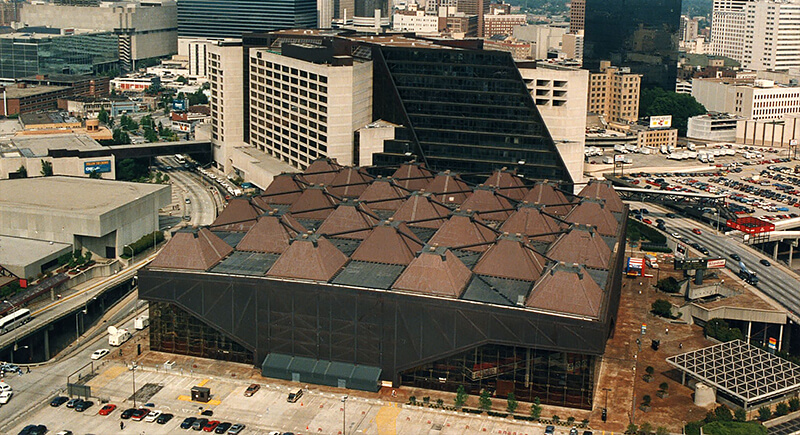
The Omni – 54 Games
Credit: Facebook
Atlanta’s Omni entered the NCAA tournament schedule in 1977 and held games through 1992. That same year, Marquette captured its only national championship at the venue, beating North Carolina. The venue’s lifespan as a host ended before the building was demolished in 1997. Still, the games it organized reflect its level of activity during its 15-year presence on the tournament map.
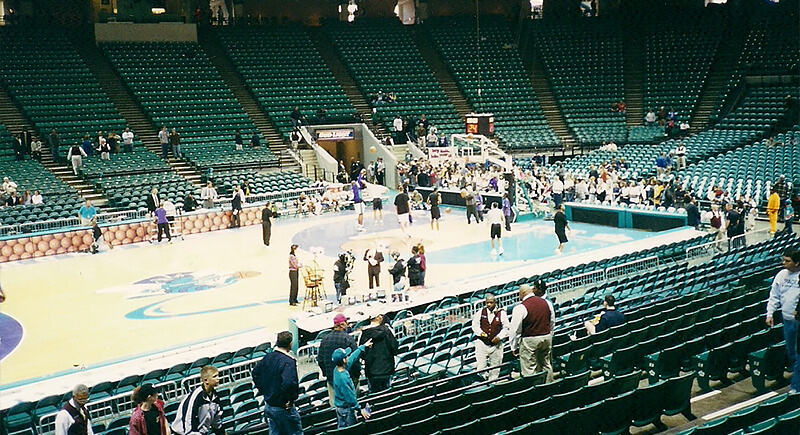
Charlotte Coliseum I – 50 Games
Credit: Wikipedia
Before newer venues took over, Charlotte Coliseum I held 50 NCAA tournament games from 1958 to 1987. With a capacity of just over 11,000, it played a key role in the beginning years of Charlotte’s tournament involvement. The city has put on over 100 games overall, and this original location carried that load for almost three decades before stepping aside.
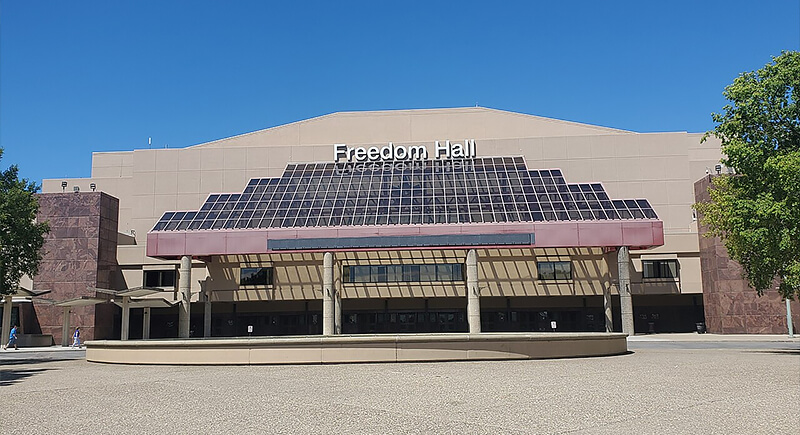
Freedom Hall – 50 Games
Credit: Wikipedia
Though it hasn’t been arranged in over 30 years, Freedom Hall’s influence on the event is evident. The Louisville venue held six national championship games, a number topped by only two other arenas. Teams like Kentucky, UCLA, and Loyola Chicago all won titles there. It became a regular stop when the NCAA field was much smaller.