
From captains' meetings to bus rides, these are the small leadership reps multi-sport athletes collect that single-sport kids rarely get.
Be the translator between two coaching languages
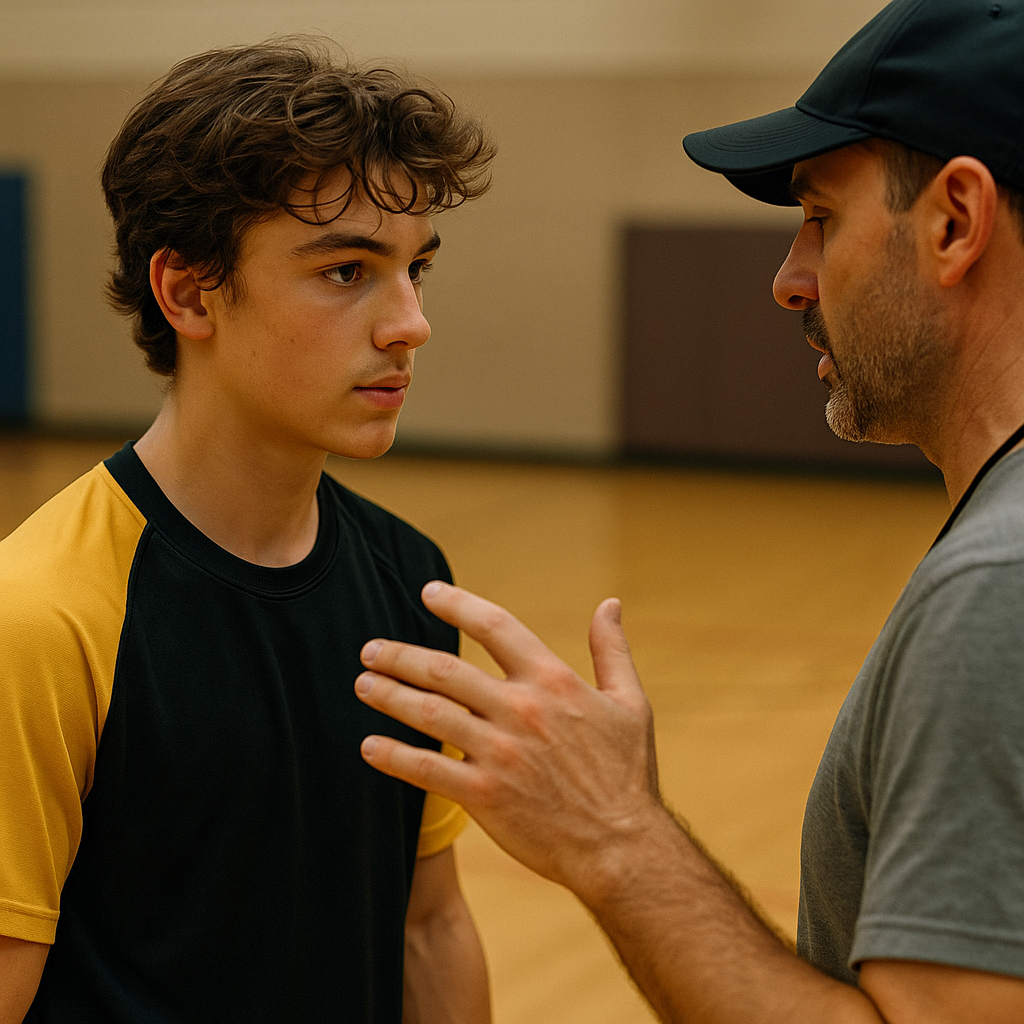
I didn't really understand this until I watched one of our juniors bounce from a loud, stopwatch-and-whistle practice after school to a quieter evening session where the coach barely raised his voice and expected players to self-correct. Same kid, same work ethic, totally different expectations for how you communicate. Multi-sport athletes get a weird advantage here because they learn to translate without making it weird. In one season, a coach might want you to call out coverage, take ownership, and be a little aggressive about it. In the next, the coach might want shorter talk, more eye contact, and to keep corrections private.
The leadership skill isn't "talk more." It's figuring out what language the room runs on and helping everyone else speak it. I've seen the best captains do it in tiny ways: they repeat the coach's cue word verbatim so it sticks, then repackage it for the freshman who is nodding but lost. They also know when to stop performing for the group chat and start performing for the drill. If you're the person who can say, "Hey, Coach wants our first step earlier," and then, two minutes later, quietly tell a teammate, "Think hips first, not shoulders," you end up becoming the stabilizer.
And it matters beyond a single practice. Different sports have different "default" levels of feedback. In a dugout or on a sideline, constant chatter can be normal. In a gym where every squeak echoes, too much talking feels like showing off. When you've lived in both, you stop forcing one style everywhere. You become the person who can lead without confusing volume for authority, and that's a big deal when the roster is a mix of veterans, JV call-ups, and a few kids who only joined because a friend dragged them to tryouts.
How multi-sport athletes run a captains' meeting without hijacking it
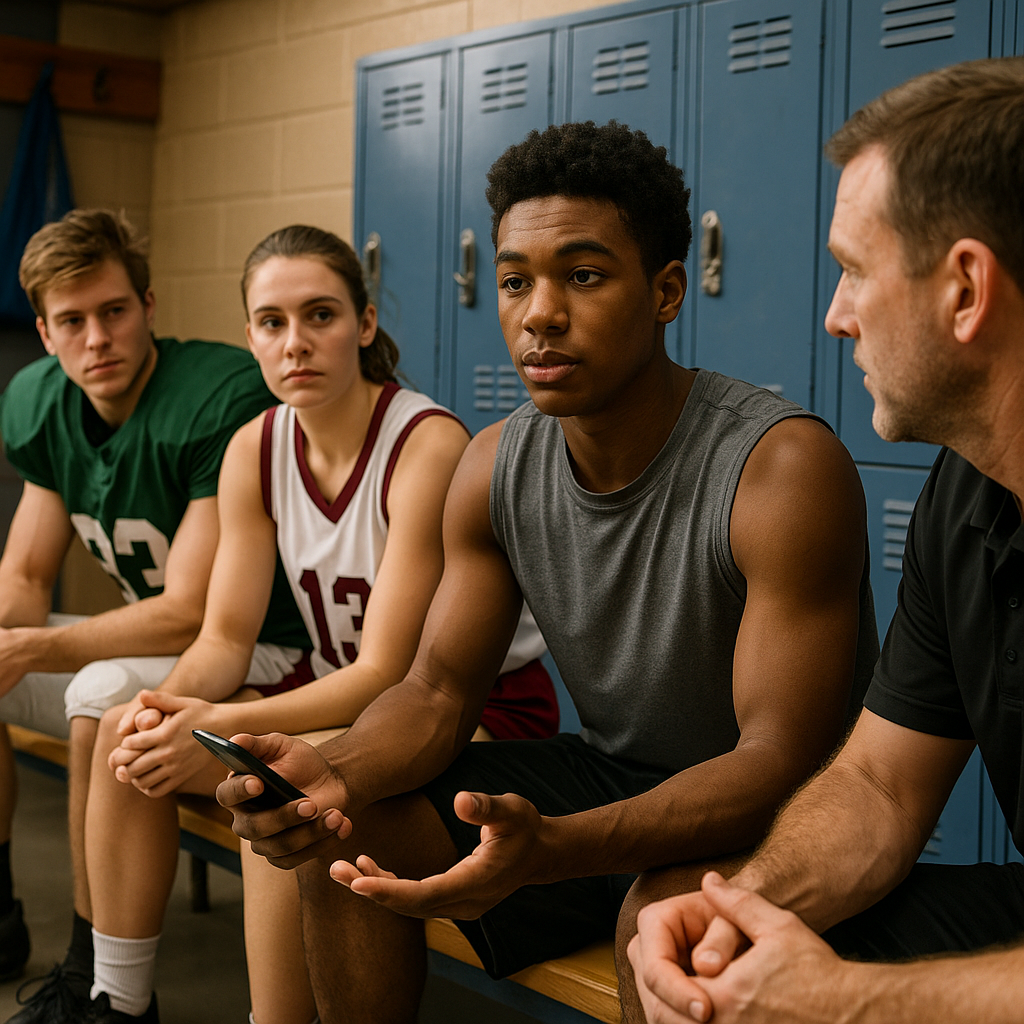
Captains' meetings are where you find out who thinks leadership is a speech and who treats it like a job. The multi-sport kids I've coached and played around tend to show up with better meeting habits, and it's not because they're magically wiser. It's because they've sat through the same conversation in different uniforms, with different adults, and they've learned what wastes time.
Here's the pattern I keep seeing: the kid who's been in multiple programs doesn't try to win the room. They show up with one note written down (usually on their phone, sometimes on the back of a wrist tape wrapper), and it's a roster-specific problem. Not "we need to work harder," but "the freshmen are getting lost on warmups," or "we're late out of the locker room and it turns into chaos." They bring it up early, then they stop talking. That last part is rare.
They also understand the coach's calendar. A coach who just got done with eligibility checks, emails about team fees, and a bus schedule change doesn't have energy for a ten-minute debate about team culture. So the multi-sport captain will propose something that doesn't require permission, budget, or a new policy. Example: they set the warmup order on a whiteboard in the locker room and assign two upperclassmen to physically stand at the front of the line and keep the pace. No dramatic announcement, just a change you can feel the next day.
What makes that a multi-sport edge is the reps. If you've only ever been in one team ecosystem, you might assume every annoyance requires a big team talk. When you've been in three, you learn that most problems are logistics disguised as attitude. Fix the logistics and half the leadership work is done. And when the meeting does need a harder conversation, the multi-sport kid is usually the one who asks a plain question like, "What do you want us to enforce when you're not here?" Then they take the answer back to the locker room and make it real, not inspirational.
The bus-ride leadership nobody applauds

Every coach knows the moment: you load the bus, you hear the first laugh, and within ten minutes the seating chart becomes a social map that lasts the whole season. Leaders show up here, not in the huddle. Multi-sport athletes tend to have a better feel for it because they've been the new kid in a new locker room more than once. They remember what it felt like to walk onto a bus with no obvious seat, holding a backpack and pretending they're checking their phone.
The best move I've seen is simple and almost invisible. An upperclass athlete sits in the middle rows instead of the very back, and they leave a gap. Not a performative come sit with us thing. Just space that makes it possible for a new teammate to join without having to interrupt a private conversation. Then, when the kid does sit down, the leader gives them something easy: a quick heads-up about the travel routine (when snacks happen, when the coach does film, where the bathrooms are on the return stop) or a low-stakes question like what classes they've got tomorrow. It sounds small, but it changes whether that kid shows up Monday feeling like they're on the team or renting a jersey.
Multi-sport kids also recognize bus culture differences. Some teams are headphones and nap time. Other teams are loud the whole way. If you've lived in both, you stop forcing everyone into your preferred vibe. You can tell when the group needs to decompress after a loss and when it needs noise to shake it off. And you learn the adult version of this, too: how to keep things from getting you all in trouble. When I'm evaluating captains, I watch who can pull a teammate back from the edge without becoming the fun police. A quick, quiet not on the bus does more than a lecture.
No one posts about this. It won't show up in a highlight reel. But when you see a roster that sticks together through a long season, it's usually because someone handled a hundred tiny moments like that, across different sports, until it became automatic.