The Best and Worst Moments of John Cena’s WWE Retirement Tour
WWE positioned John Cena’s retirement tour as an extended run rather than a single farewell event by spreading it across months of television and live shows. The approach allowed for flexibility, but it also meant that individual moments stood or fell on their own, rather than being protected by a single, overarching narrative. Here’s what worked and what didn’t.
What Worked: Cena Found His Footing Again
Credit: Wikimedia Commons
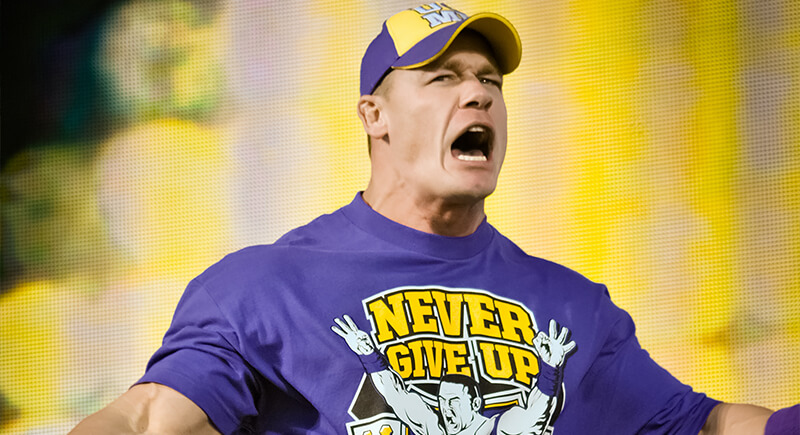
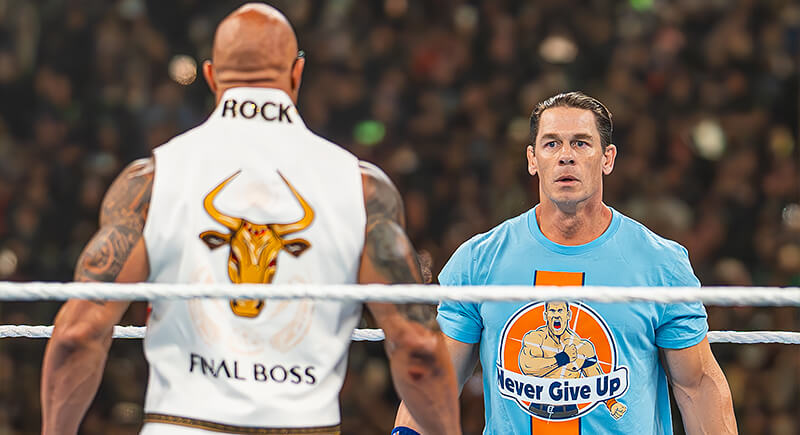
The reset came in Toronto at WWE Elimination Chamber, and it changed the direction of the tour. John Cena’s heel turn cut against two decades of established instincts and immediately shifted the tone of his farewell. By aligning with The Rock, the run moved away from nostalgia and toward unresolved conflict. The choice gave weekly television real unpredictability and signaled that Cena’s exit would be active and contested.
What Didn’t: Broken Promises After The Turn
Credit: Wikimedia Commons
The momentum from the turn didn’t last. Weeks passed without meaningful follow-through, and Rock’s absence made the angle feel suspended. Promos circled familiar ground, feuds stalled, and anticipation thinned. The sharp pivot gradually lost urgency as television waited for a payoff that never arrived.
What Worked: Street Fight Redemption At SummerSlam
Credit: Wikimedia Commons
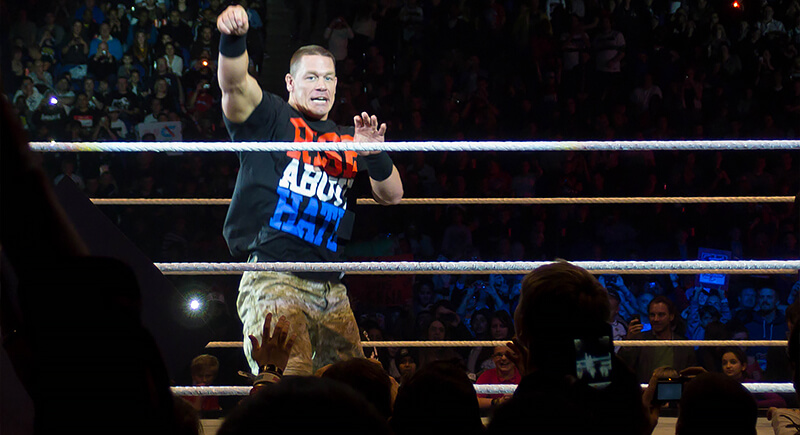
The Street Fight at WWE SummerSlam against Cody Rhodes fixed problems from earlier in the tour by keeping the match simple. The stipulation suited John Cena’s current physical limits and relied on straightforward storytelling instead of speed or complex sequences. The match moved at a controlled pace, every major moment was given time to register, and nothing felt forced. The title change was decisive, and the crowd reaction carried the finish.
What Didn’t: WrestleMania 41 Celebrity Detour
Credit: Wikimedia Commons
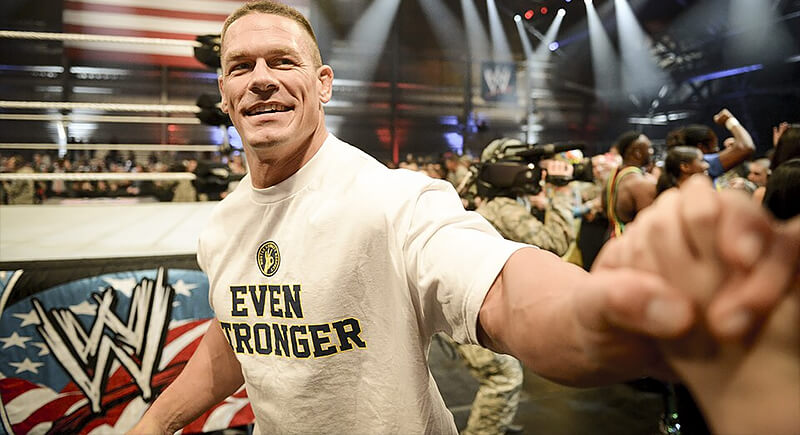
WrestleMania 41 promised history, then veered sideways. Celebrity interference shifted attention away from Cena’s chase for number seventeen and left the ending feeling cluttered. The moment passed without resolution or continuation.
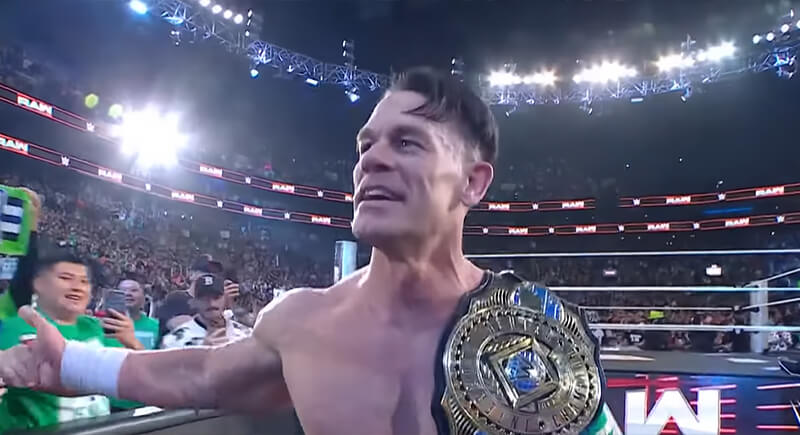
What Worked: Completing The Grand Slam In Boston
Credit: Youtube
Winning the Intercontinental Championship in Boston carried weight beyond the belt. The booking stayed simple, the crowd stayed loud, and Cena didn’t overplay it. Completing the Grand Slam in the city tied to his rise gave longtime fans something tangible to hold onto.
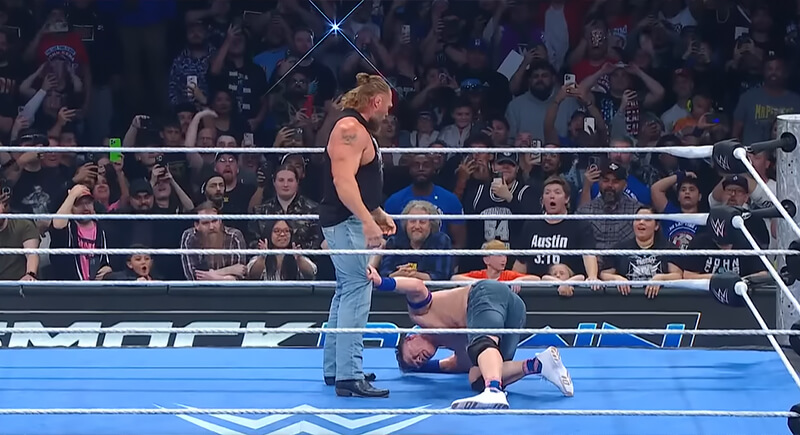
What Didn’t: Wrestlepalooza Squash That Went Nowhere
Credit: Youtube
The Brock Lesnar squash echoed history without context as Cena lost quickly, headlines followed, and then the story vanished. Nothing followed on television to explain the result or build on it. During a retirement tour, the match felt disconnected.
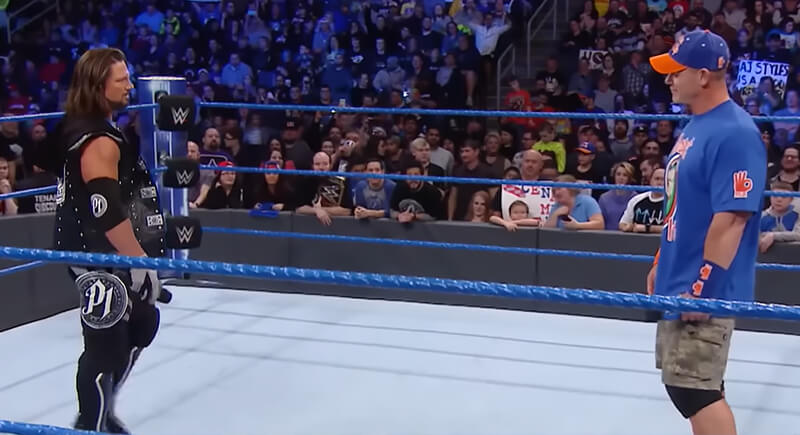
What Worked: AJ Styles Classic At Crown Jewel
Credit: Youtube
The match relied on timing, counters, and familiarity rather than big surprises. Cena and AJ Styles let recognition and chemistry carry the action. It came across as two veterans comfortable in the moment.
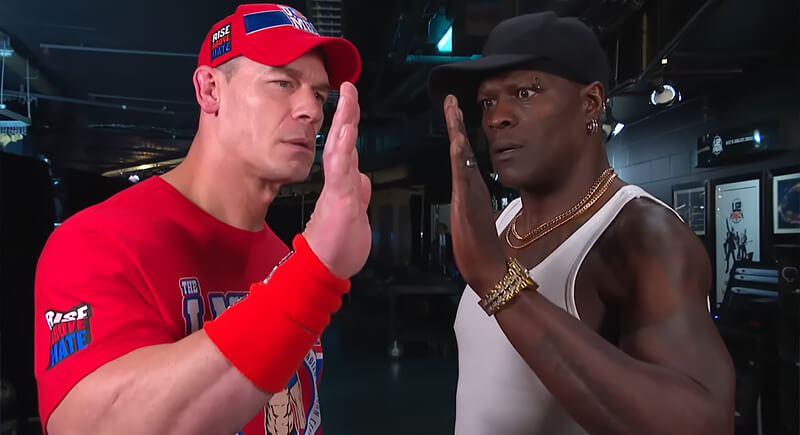
What Didn’t: The R-Truth Storyline Spiral
Credit: Youtube
The R-Truth angle lost its footing as it stretched on. Comedy gave way to abrupt changes, including a release and quick return that confused the direction. Cena’s involvement never found a clear purpose within the story, and the thread faded out without resolution.
What Worked: Madison Square Garden Sendoff With Friends
Credit: Youtube
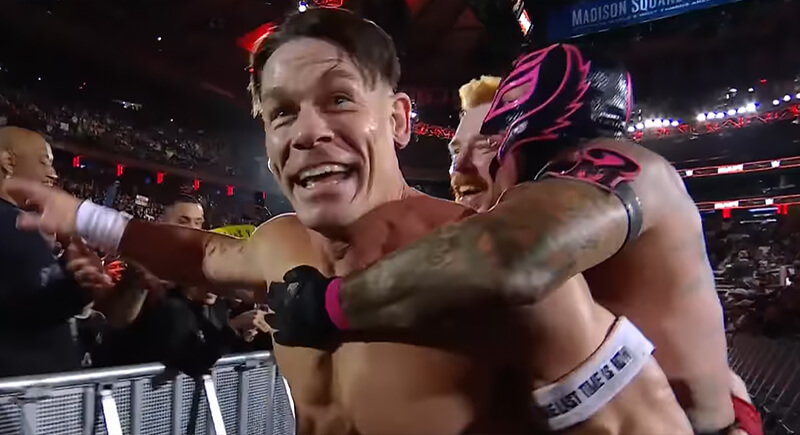
Cena’s final appearance at Madison Square Garden stayed light by design. Teaming with Rey Mysterio and Sheamus shifted attention toward movement, timing, and crowd connection rather than legacy pressure. Judgment Day filled the villain role cleanly, and the match moved briskly.
What Didn’t: A Quiet Ending Against Gunther
Credit: Youtube
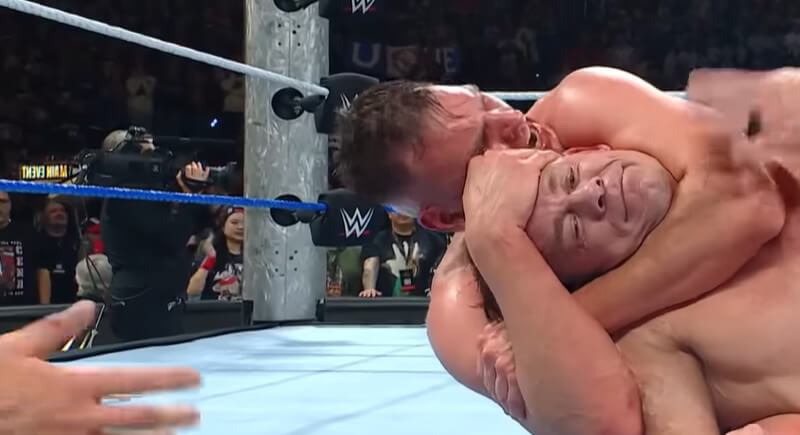
The tour concluded with a tap-out to Gunther, a result that made sense on paper. The match itself stayed physical and clean, but the ending passed quickly. Without space to reflect, the goodbye felt understated. For a career this loud, the silence sparked debate more than closure.