The 10 Craziest Jobs Athletes Had Before Turning Pro
Before million-dollar contracts and national TV deals, plenty of famous athletes were clocking in for jobs that looked nothing like pro sports. Some of these gigs paid barely above minimum wage. What they share is timing. Each job happened during that uncertain stretch when talent alone had not yet turned into a career, and quitting was never a sure thing.
Dick Lane
Credit: ebay
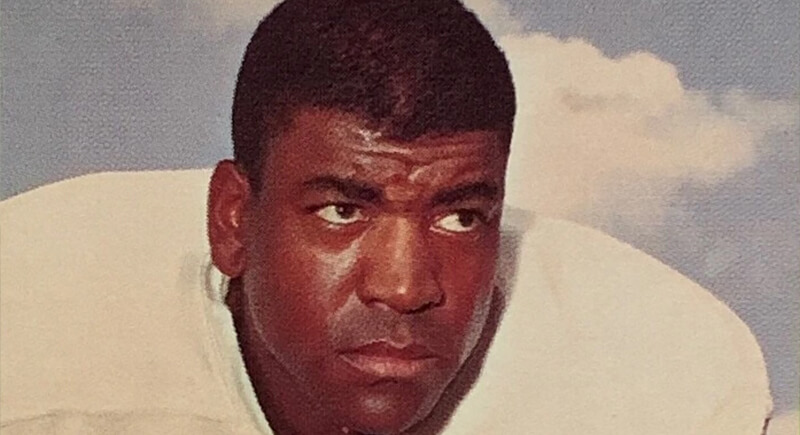
Serving in the U.S. Army and working long shifts at an aircraft factory were Dick Lane’s life before becoming “Night Train.” He had played junior college football but entered the NFL late at age 27. A tryout with the Los Angeles Rams in 1952 changed everything. He went on to become one of the most feared defensive backs in league history.
Adreian Payne
Credit: Youtube
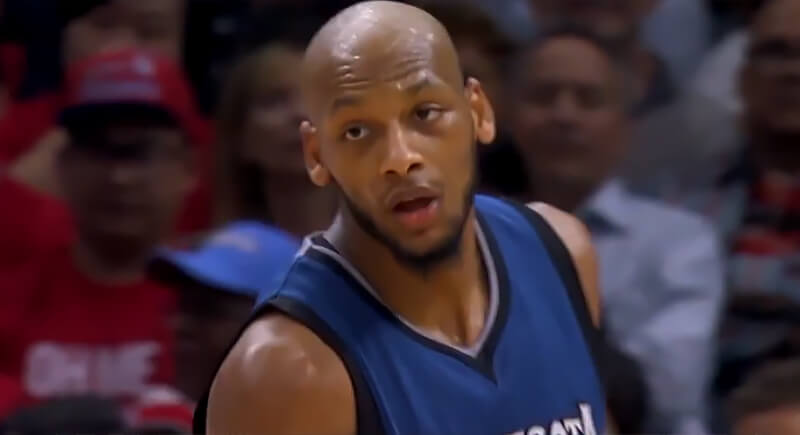
At 15, Adreian Payne spent his summer working as a janitor at his own middle school. Duties included sweeping floors, mopping hallways, and scraping gum off desks. The job put him back in classrooms months before the school year started. Payne said he enjoyed the work and found it productive.
Matt Hasselbeck
Credit: Wikimedia Commons
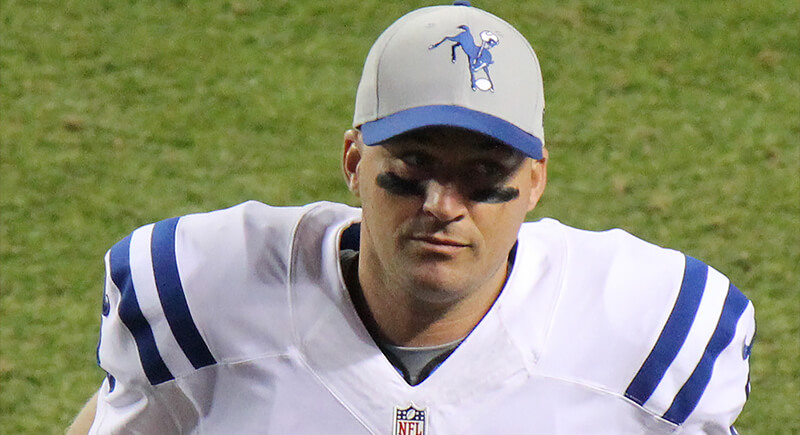
A warehouse job at a Reebok factory filled Matt Hasselbeck’s pre-NFL days. He packaged and shipped sneakers to sponsored athletes like Roger Clemens, Emmitt Smith, and Shaquille O’Neal. The work kept him indoors all day with little natural light. He later joked that the smell of new shoes still bothered him years after leaving.
Cory Redding
Credit: Wikimedia Commons
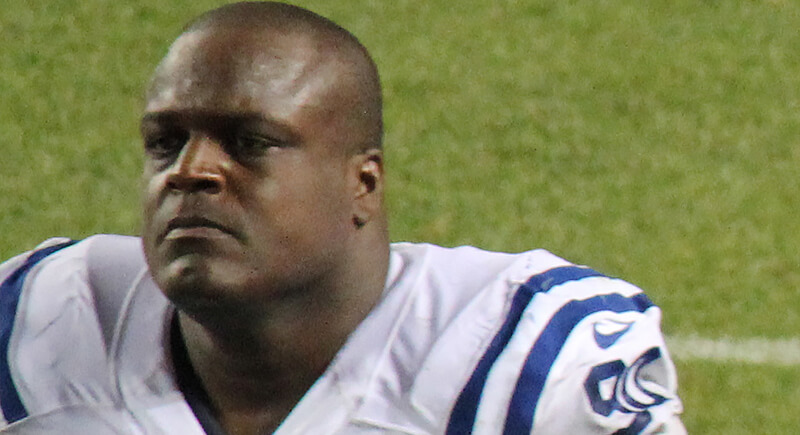
Cory Redding’s first real job was collecting used tires around Houston during middle school. He spent long summer days lifting and loading tires destined for recycling centers. The work demanded strength and stamina at an early age. He credited that experience with preparing him physically for football long before college weight rooms.
Michael Lewis
Credit: Wikimedia Commons
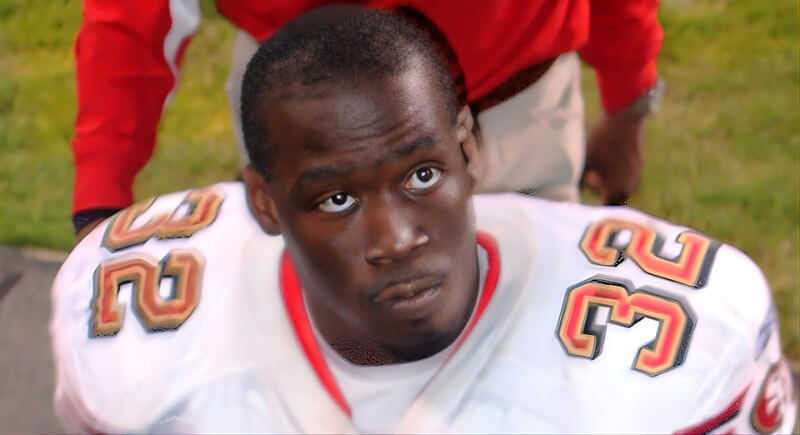
Before becoming an NFL Pro Bowler, Michael Lewis worked overnight security at rave parties while attending the University of Colorado. Shifts typically ran from 10 p.m. to 6 a.m. and involved watching crowds. Earlier jobs included dishwashing, which he openly said he enjoyed more. The rave work fit around classes but left little time for rest.
Alonzo Mourning
Credit: Facebook
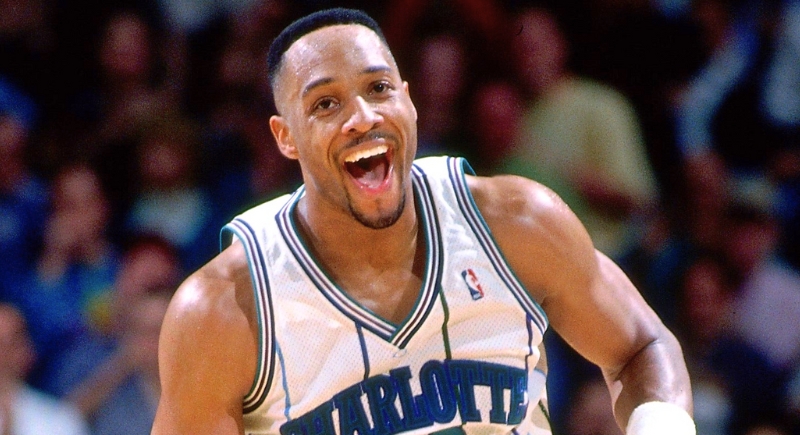
A job that relied on his height and reach was perfect for Alonzo Mourning. He worked at a drapery shop hanging curtains long before Georgetown and the NBA Draft. It made installations quicker and easier. He also mowed lawns and worked at a car dealership during his early years to cover basic expenses. Those jobs ended once his college career took off.
Weslye Saunders
Credit: Wikimedia Commons
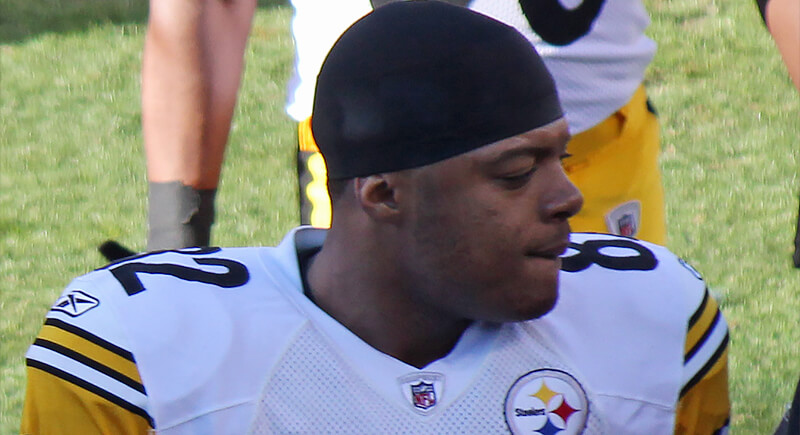
Weslye Saunders stayed ready for football while working there until the Indianapolis Colts signed him. After going undrafted in 2011, he took an IT job at UNC Neurosciences Hospital. He helped load software and medical data onto computers and iPads used by doctors. The position required basic technical knowledge.
Wilt Chamberlain
Credit: Wikimedia Commons
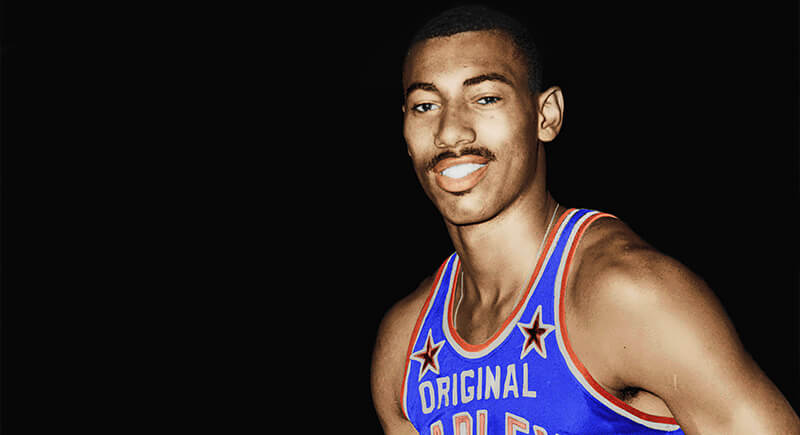
In the summer of 1954, Wilt Chamberlain carried luggage as a bellhop at Kutsher’s Hotel and Country Club in New York’s Catskill Mountains. The pay was $2 an hour plus tips, which was standard for resort staff at the time. Nights were spent playing for the hotel’s basketball team under coach Red Auerbach. That unusual summer later became the subject of ESPN’s “30 for 30” short, “Wilt Chamberlain: Borscht Belt Bellhop.”
J.J. Watt
Credit: Wikimedia Commons
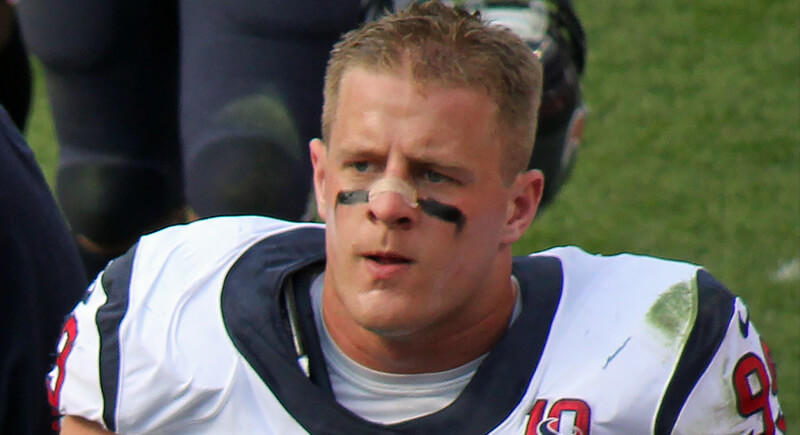
Pizza delivery filled the gap left by J.J. Watt’s departure from Central Michigan in 2007. He drove for a Pizza Hut in Waukesha, Wisconsin, while living at home and figuring out whether football was still realistic. A local kid recognized him during a delivery and asked why he had quit football, which prompted him to get back into training. He transferred to Wisconsin, became an All-American, and entered the NFL as a first-round pick in 2011.
Kurt Warner
Credit: Wikimedia Commons
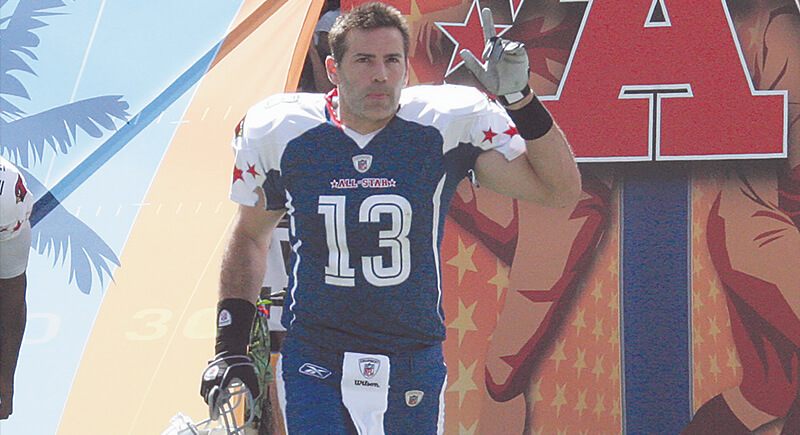
Stocking shelves at a Hy-Vee grocery store in Cedar Falls, Iowa, paid Kurt Warner $5.50 an hour while he waited for another NFL shot. He worked nights and weekends while bouncing in and out of training camps after going undrafted out of Northern Iowa. That grocery job overlapped with his stint in the Arena Football League before the St. Louis Rams finally signed him in 1998. Within three seasons, he was a Super Bowl champion and league MVP.