10 Athletes Who Played Through Horrific Injuries
Some sports injury stories sound exaggerated until medical reports confirm what actually happened. The 10 athletes below competed in major games, finals, or championship moments despite injuries that would normally end participation immediately. These performances became part of sports history because they occurred in high-stakes moments when stopping wasn’t realistically an option.
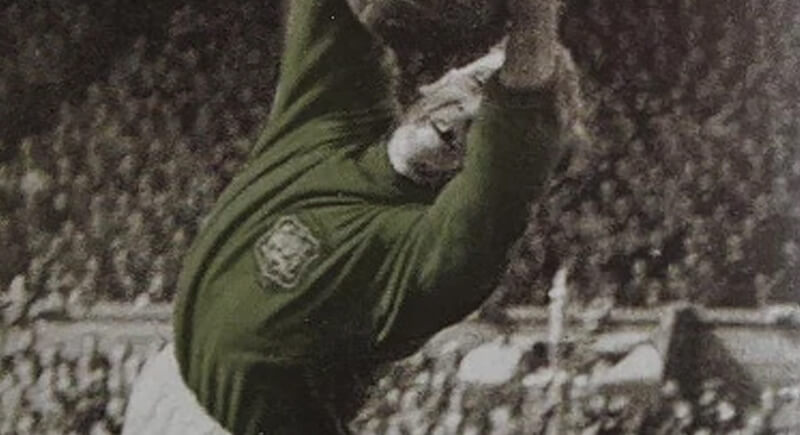
Bert Trautmann
Credit: ebay
Late in the 1956 FA Cup Final, Manchester City goalkeeper Bert Trautmann crashed into an opposing player while defending his goal. With substitutions not allowed at the time, he stayed on the field despite visible pain. Only days later did scans show multiple dislocated vertebrae and a fracture, injuries severe enough to end most careers instantly.
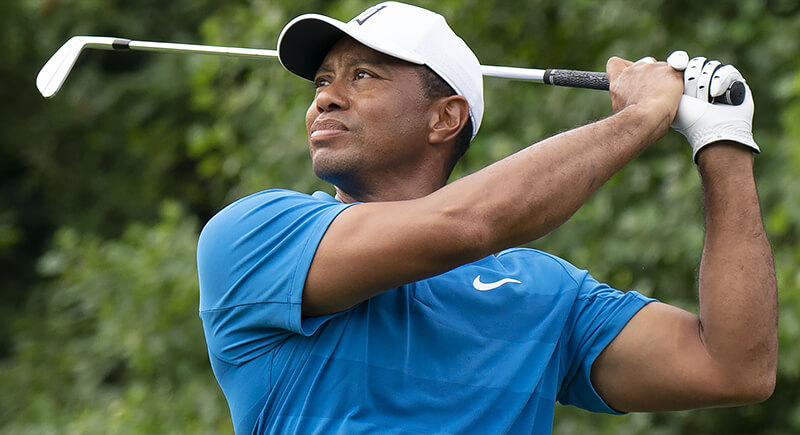
Tiger Woods
Credit: Wikimedia Commons
Walking Torrey Pines in 2008, spectators could see Tiger Woods limping between shots, yet he kept playing through visible discomfort. Over four rounds and an 18-hole playoff, he outlasted Rocco Mediate to win the U.S. Open. After the tournament, doctors confirmed a torn ACL and stress fractures that required immediate surgery.
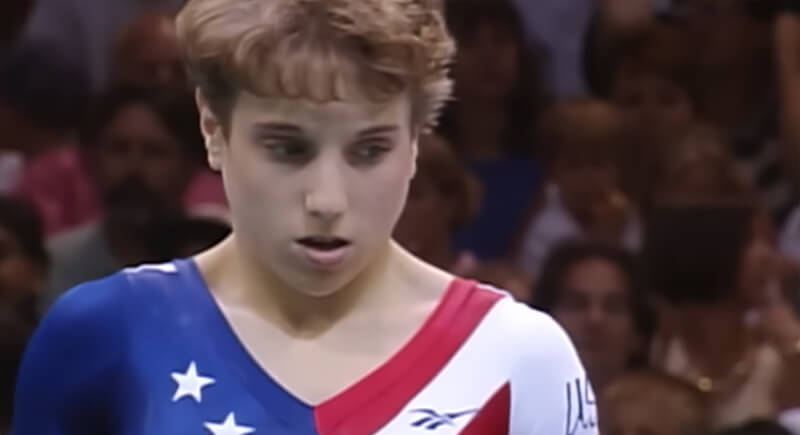
Kerri Strug
Credit: Youtube
During the 1996 Olympic team final, Kerri Strug already knew her ankle was unstable after the first vault attempt. The United States still needed one strong score. She ran again, completed the vault, and landed briefly before collapsing. Her routine locked in the gold medal during one of gymnastics’ most replayed Olympic moments.
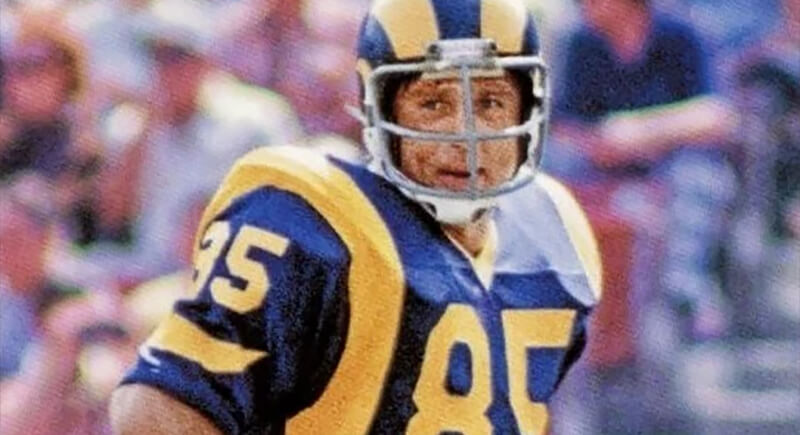
Jack Youngblood
Credit: ebay
By the time the Rams reached the deepest part of the postseason, Jack Youngblood was already moving on a leg that shouldn’t have handled game-speed collisions. Teammates later described seeing him limp between plays. He still lined up snap after snap, playing through the NFC Championship, Super Bowl XIV, and even the Pro Bowl during that stretch.
Curt Schilling
Credit: Wikimedia Commons
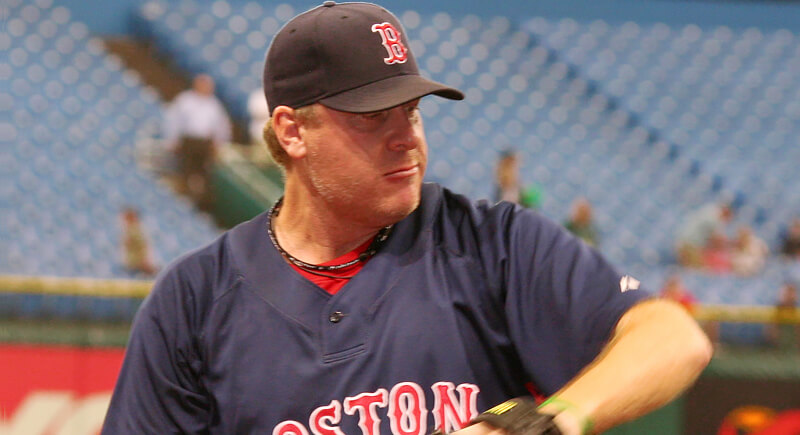
Fenway Park cameras kept zooming in on Curt Schilling’s ankle because something looked off every time he pushed off the mound. After emergency tendon stabilization, each inning slowly stained his sock darker. He still controlled the strike zone for six innings and helped Boston force a Game 7 during the most famous comeback in franchise history.
Ronnie Lott
Credit: ebay
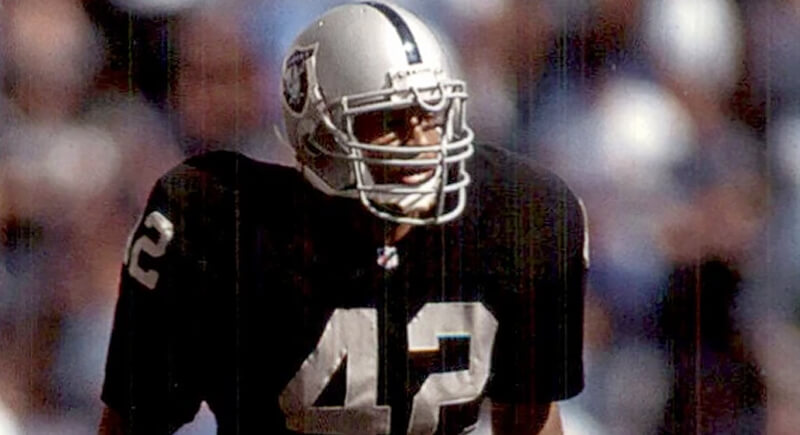
Inside the 49ers locker room late in the 1985 season, doctors gave Ronnie Lott two options: surgery and recovery time, or a faster return through partial finger amputation. With playoffs approaching, he chose the faster route. Teammates later said the decision shocked even veteran players who thought they had seen everything.
Patrice Bergeron
Credit: Wikimedia Commons
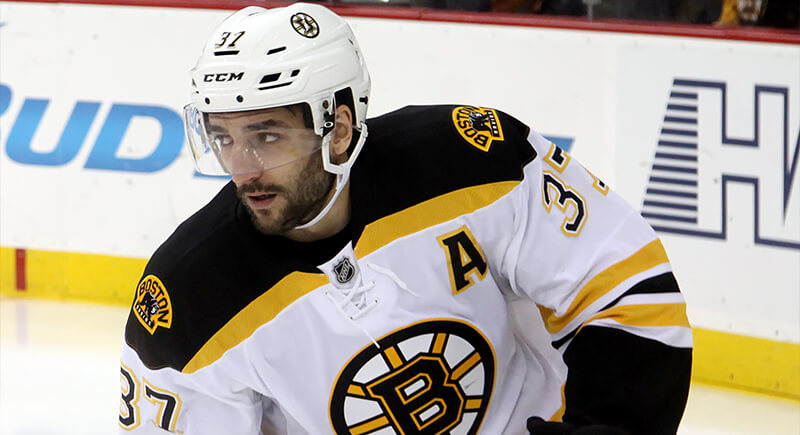
During the 2013 Stanley Cup Final, Patrice Bergeron kept taking regular shifts even as teammates noticed how carefully he moved between whistles. Only after the series did reports surface listing a punctured lung, broken rib, torn cartilage, separated shoulder, and broken nose. Opponents later admitted they had no idea he was playing through all that.
Kirk Gibson
Credit: ebay
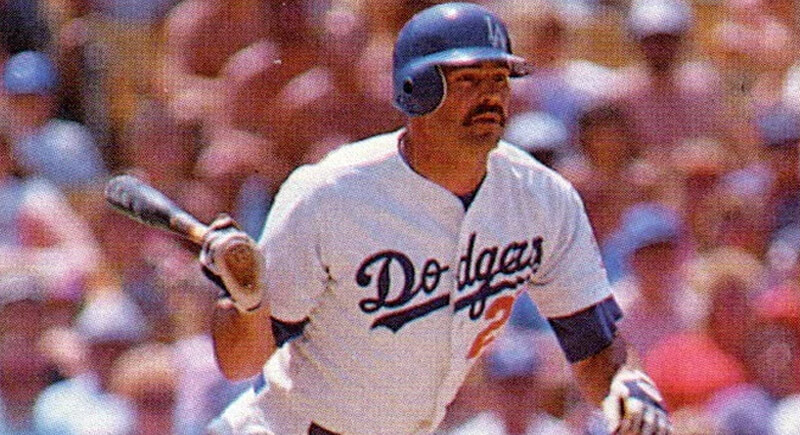
Dodgers fans didn’t expect to see Kirk Gibson anywhere near the batter’s box in Game 1 of the 1988 World Series. Hamstring damage and knee swelling kept him off the lineup card. When he limped out as a pinch hitter in the ninth, even teammates were surprised before the historic home run.
David Haye

Credit: Instagram
Heavyweight fights rarely slow down after major injuries, and David Haye kept moving even after tearing his Achilles tendon against Tony Bellew in 2017. Ringside cameras later showed the rupture clearly. He stayed in the fight for five more rounds, something many fighters said would have been physically impossible for most athletes.
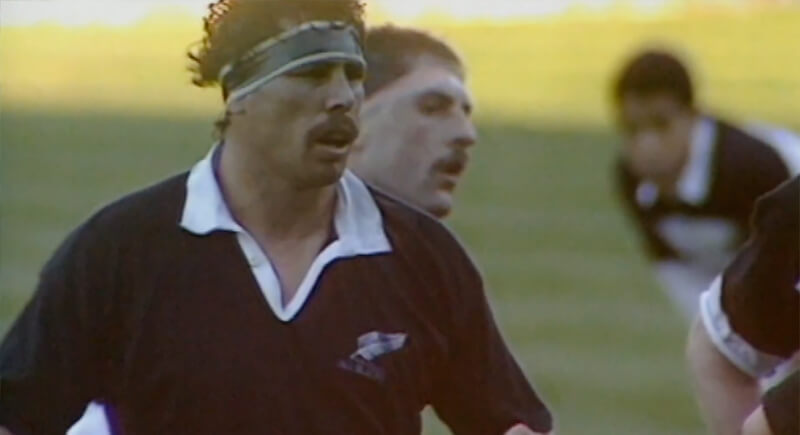
Buck Shelford
Credit: Youtube
Midway through the 1986 France test, New Zealand players suddenly realized Buck Shelford was bleeding heavily after a ruck, but he was already signaling he wanted to keep playing. Sideline staff stitched the injury quickly, and he returned before later leaving with concussion symptoms and lost teeth, in one of rugby’s most infamous single-match injury stories.