
Long tournament days, hot football practices, doubleheaders, and back-to-back basketball games can leave young athletes tired before the final whistle. What they eat and drink before and during competition can affect whether they have enough energy to keep running, thinking, and making decisions under pressure. Here are three simple nutrition and hydration habits I use to help young athletes stay fueled and focused on game day.
Choose a Game-Day Snack That Provides Steady Energy
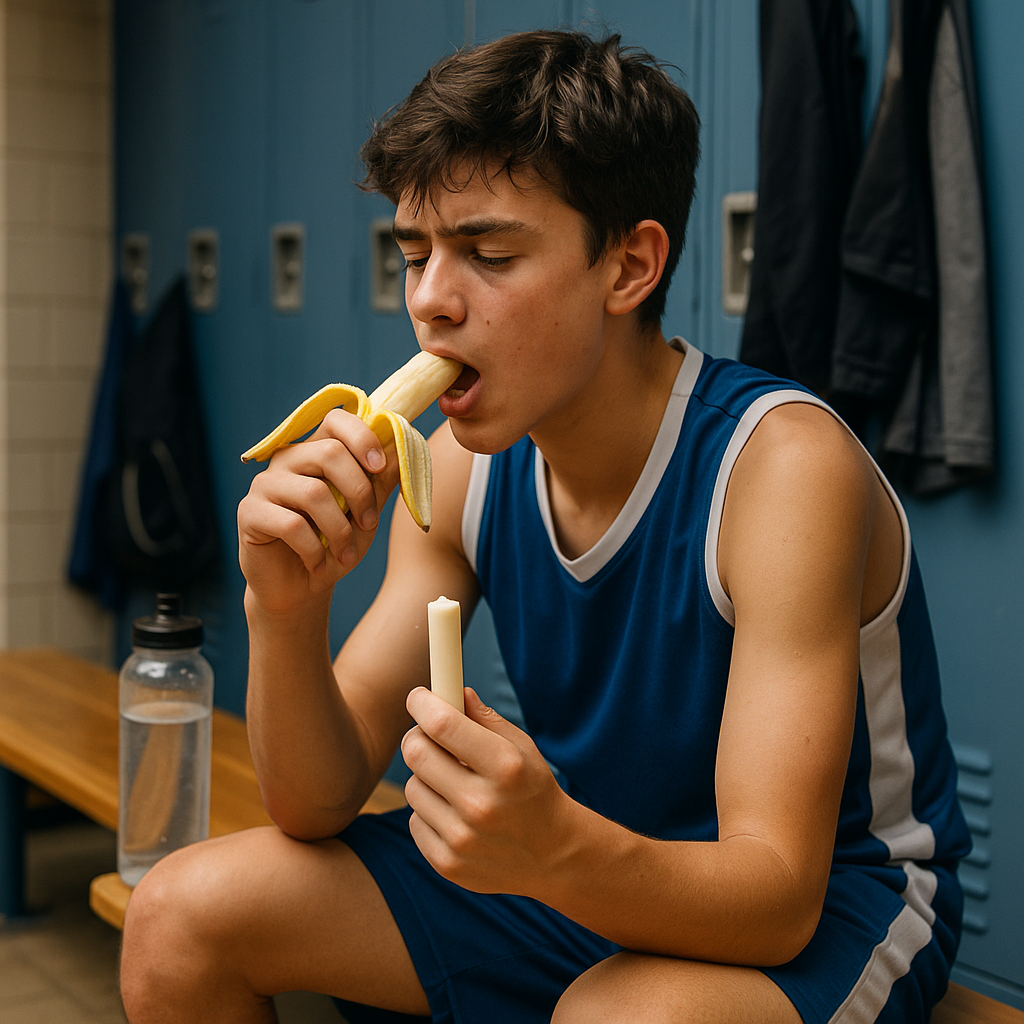
When an athlete is running low on energy, staying focused can become harder, and frustration can show up quickly. If you want nutrition to support mental toughness, you don't hand them a candy bar and hope for bravery. You give them something that holds steady.
My default between halves (or between games in a tournament) is a small carb, a little protein, and a little salt. Options like a banana and a string cheese, a peanut butter and jelly half sandwich, a plain bagel with a thin smear of peanut butter, or a handful of pretzels with Greek yogurt are all great.
Timing matters more than perfection. If the break is short, I aim for a few bites immediately, then water. If it's a longer reset, I give them the snack first, then let them sip and calm down while they're re-lacing cleats, re-taping wrists, or getting their shooting sleeve back on. A familiar snack can give them some energy without leaving them feeling too full.
Two things I avoid in that moment: super high-fiber foods (because nobody needs a stomach surprise) and brand-new "performance" products the kid hasn't used in practice. I like familiar, plain stuff you can pack in a zip bag and eat in three minutes without making a mess on a jersey. When a young athlete feels their body is stable, their mind stops hunting for problems to explain the discomfort. That is the whole win.
Stay Hydrated During Games and Practices
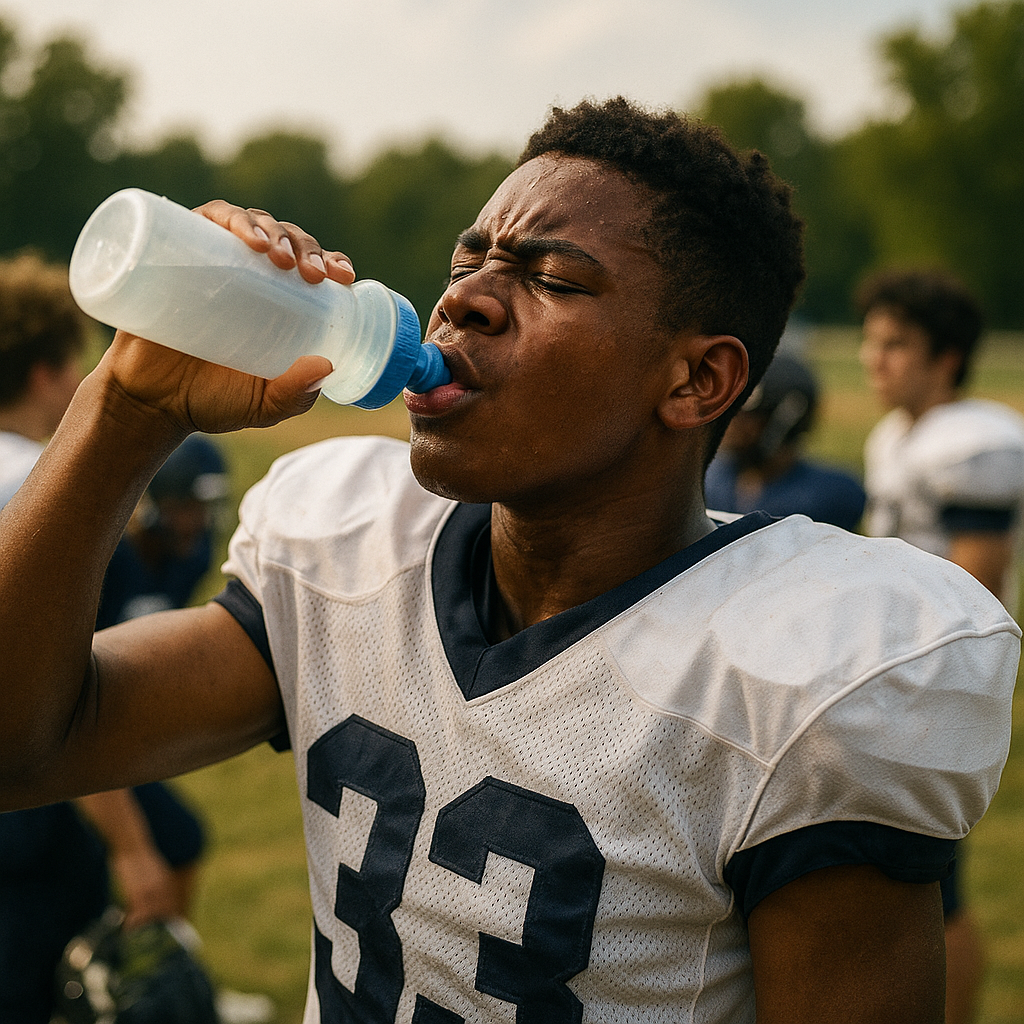
Late-game composure often depends on dehydration. I've seen it in baseball on humid doubleheaders, in AAU gyms, and on football fields where kids are too amped to drink because they don't want to miss a rep. Here's the cue I repeat until they roll their eyes: don't wait until you're desperately thirsty. Drink regularly during breaks and other natural pauses.
When it's hot or the session is long, I like a sports drink that has sodium and carbs because it makes it easier for kids to take in fluid and replace what they're losing. Gatorade and Powerade work. For shorter sessions, water is usually enough; for longer activities, heavy sweating, or hot conditions, a sports drink can help replace fluids, carbohydrates, and electrolytes. If a kid is sensitive to sweetness, I dilute the sports drink with water until it's lightly flavored. They'll drink more of it that way.
A quick glance cannot prove hydration status. Urine color can give you a clue, but it isn't a lab test, and game day is messy. I pay attention to more established warning signs such as headache, lightheadedness, thirst, dark or reduced urine, and feeling unusually hot. You fix that with consistent sipping, some salt, and carbs.
Eat a Solid Breakfast and Refuel Between Games
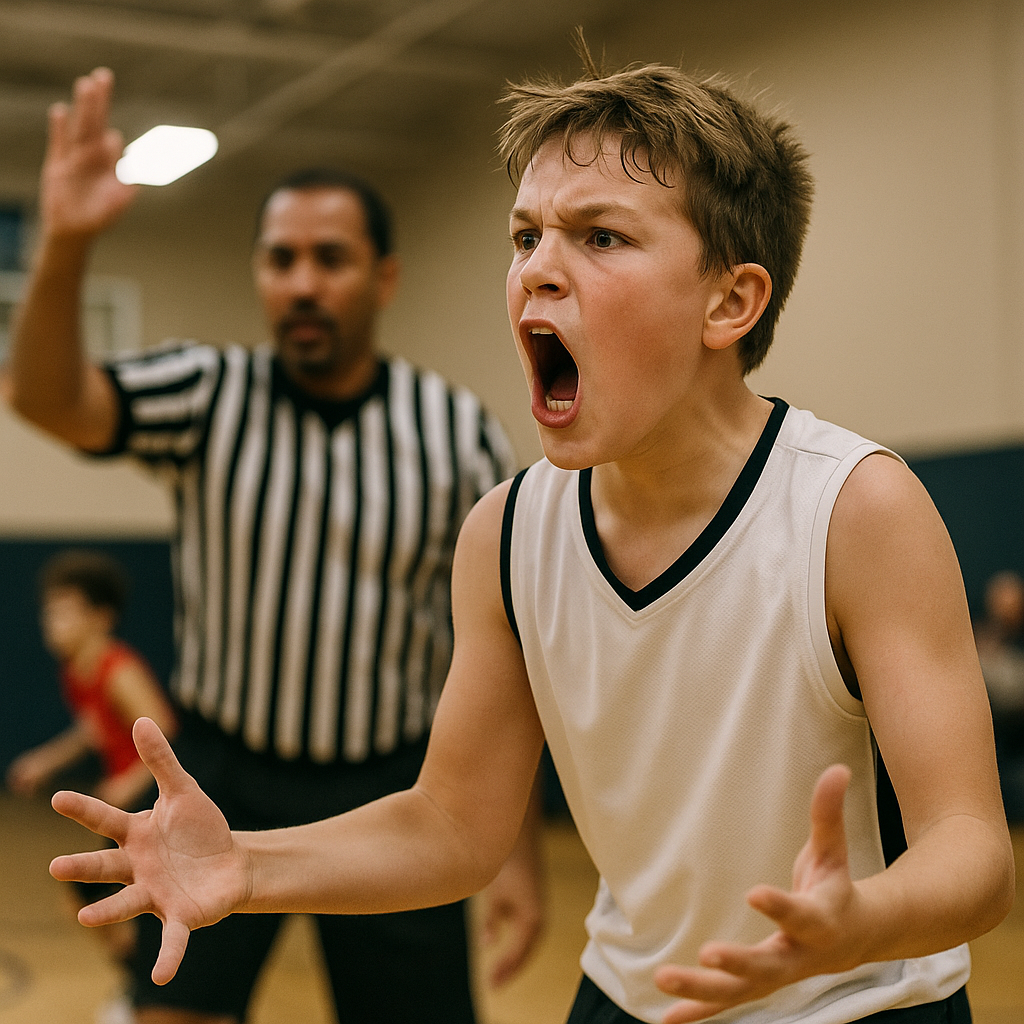
By the middle of a long Saturday, fatigue can show up in unusual ways. A player who usually shrugs off a bad bounce may get frustrated, rush a routine throw, or force a pass that isn't there. Sure, sometimes nerves are part of it, but often the athlete simply needs food, fluids, or a break.
On early starts, I want breakfast to do three things: put carbs in the tank, add enough protein to slow the drop, and avoid the greasy foods. My go-tos are oatmeal with a spoonful of peanut butter and a little honey; a bagel with egg; yogurt with granola and fruit; or pancakes plus a side of scrambled eggs. If the kid's a picky eater, I'll take a plain waffle and a banana over a perfect meal they won't touch.
The detail most families miss is the gap between games. If there's a two-hour window, I don't let them wait until they're starving, because by then they're inhaling whatever's closest and it turns into chips, candy, and a stomachache. I pack a small cooler with stuff that survives a hot parking lot: applesauce pouches, pretzels, turkey-and-cheese roll-ups, and chocolate milk boxes. Chocolate milk is also a convenient source of carbohydrates and protein for recovery between games.
One more practical note: new foods on game day are a terrible experiment. If you want nutrition to support performance, test it on a hard practice first. Let them learn, calmly, what sits well before you ask them to trust it with the bases loaded or 30 seconds on the clock.