How a Runner Who ‘Died’ During a Marathon Was Brought Back to Life by Strangers on the Course
Phil Young had already completed six Boston Marathons and was training for his seventh when something unimaginable happened. He was used to long-distance runs, carefully paced breathing, and a heart that worked like clockwork. But on a mid-March morning in Las Vegas, his heart suddenly stopped. Within seconds, his body collapsed on a desert trail.
The Collapse Happened Without Warning
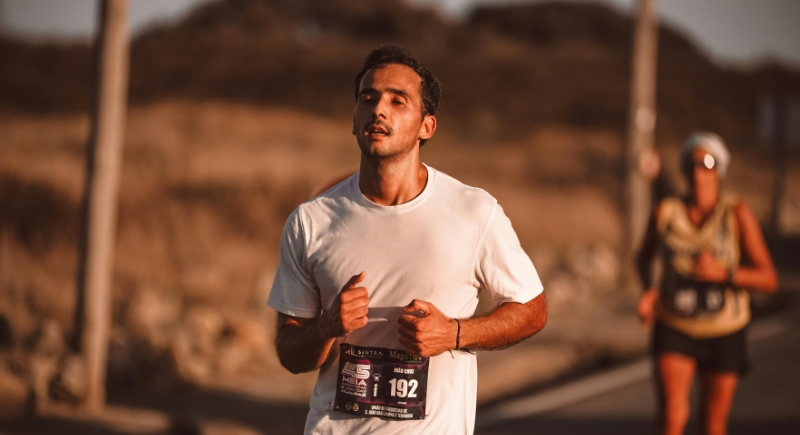
Image via Pexels/RUN 4 FFWPU
The participant started his training session on Lone Mountain Trail while preparing for the Boston Marathon. Less than a mile into the run, he made a quick stop at a restroom along the trail. According to what he later learned, that was the moment his heart failed. He lost consciousness just outside the restroom, unresponsive and without a pulse. Medical teams would later confirm that his heart had shut down for approximately nine to eleven minutes. He had experienced a full cardiac arrest.
For a trained athlete with decades of endurance behind him and a resting heart rate of 42, the event came without any prior symptoms, such as dizziness, pain, or any indication of distress. At that moment, he had no control over his body, no awareness of his surroundings, and no way to help himself. Everything depended entirely on who was nearby and what they did next.
Trained Bystanders Responded Immediately
Two Air Force officers were close enough to see Phil Young fall, and they immediately ran toward him and found him unconscious with no pulse. Both had CPR training and began chest compressions right away. They didn’t stop to assess what might have caused the collapse.
Consequently, they only focused on restoring circulation because they knew that in cardiac arrest, every minute without CPR reduces the chances of survival. Their actions helped keep oxygen moving through his body until emergency medical services could arrive and take over.
Others Offered Assistance While Waiting for EMTs
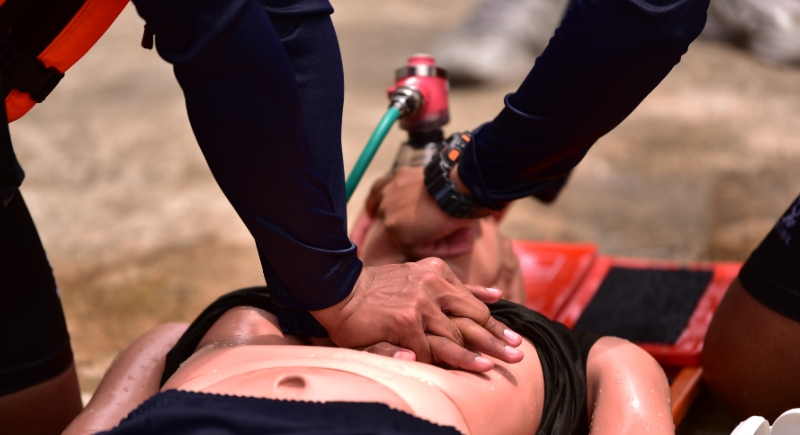
Image via Canva/I am UM808
The aid Young received didn’t stop with the officers providing CPR. Other people on the trail stopped what they were doing and came to assist. One woman stayed close, holding his head and hand while emergency services were en route. She didn’t perform a medical task, but her action contributed to the scene’s stability. It showed that even in the absence of formal roles, people still stepped forward to offer comfort and reassurance. Betsy Vencius, Young’s partner, later described the timing of all of it as exact. People weren’t just willing, but they were ready.
By the time the paramedics reached him, a group of strangers had already turned an isolated crisis into a coordinated effort. There was no guarantee of the outcome, but without those first actions, the result likely would have been different.
Recovery Required Surgery and Long-Term Rehab
After being transported to the hospital, doctors diagnosed Young with several heart defects that had not been detected earlier. He underwent open-heart surgery, which was necessary to correct structural issues that likely contributed to the cardiac arrest. His treatment involved weeks of monitored cardiac rehabilitation and a slower-than-usual return to movement.
For someone used to running long distances, that adjustment required physical and mental discipline. His background as a runner may have helped with physical recovery, but it did not shorten the process.