10 Horse Racing Triple Crown Stories and Legends That Thrilled the Nation
Horse racing has a history of turning a few minutes on the track into stories that last decades. The Triple Crown is at the center of that appeal, as it requires horses to win three demanding races in a short span. The challenge has produced tense rivalries and moments that reached a greater audience. These stories highlight the horses and races that shaped how the nation remembers the sport.
Secretariat’s Belmont Stakes Masterclass
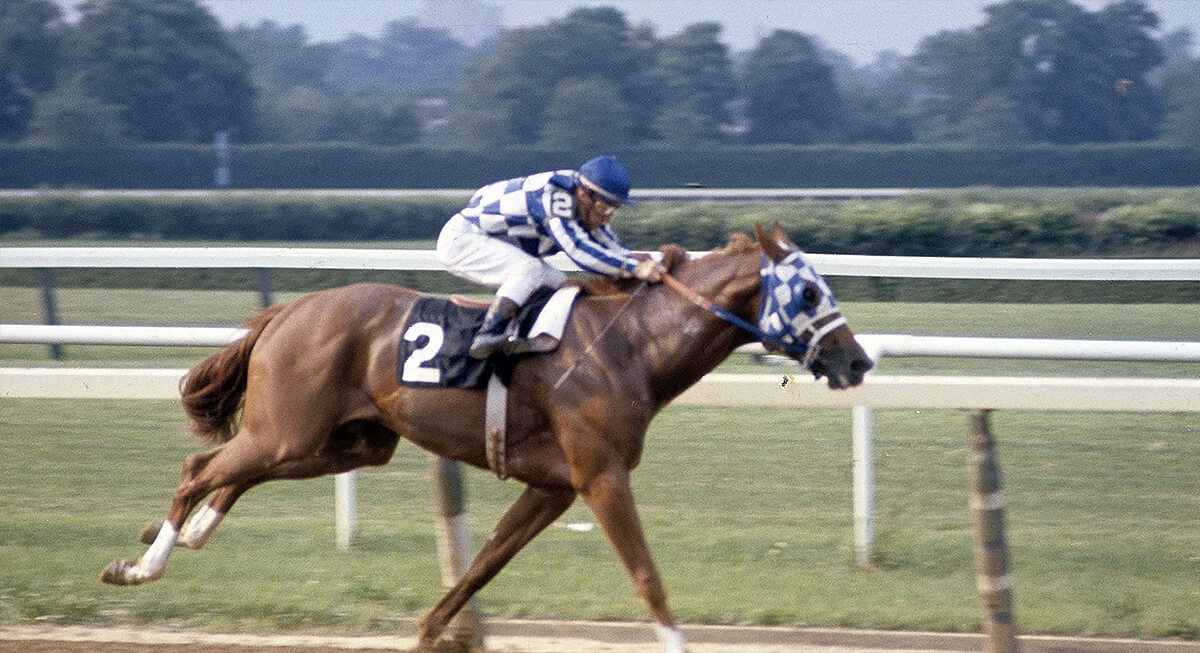
Credit: History
The 1973 Belmont Stakes remains one of the clearest examples of dominance in any sport. Secretariat entered with two Triple Crown wins already secured, but his final race became the defining moment. He pulled away early and kept widening the gap, finishing 31 lengths ahead. The time of 2:24 for 1½ miles still stands.
Affirmed And Alydar’s Relentless Rivalry
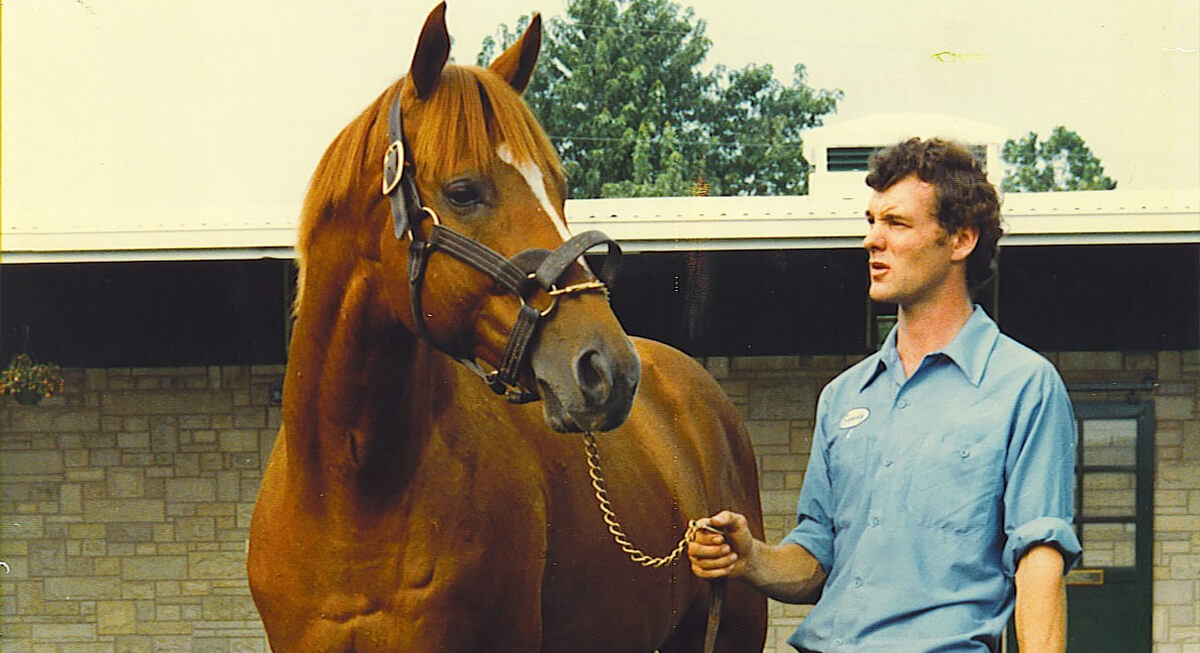
Credit: Wikipedia
Few rivalries carried as much tension as the one between Affirmed and Alydar in 1978. They met ten times, often finishing within a length of each other. The Belmont Stakes brought their battle to a peak, with both horses pushing stride for stride down the stretch. Affirmed held on by a narrow margin to claim the Triple Crown.
Seattle Slew’s Perfect Season
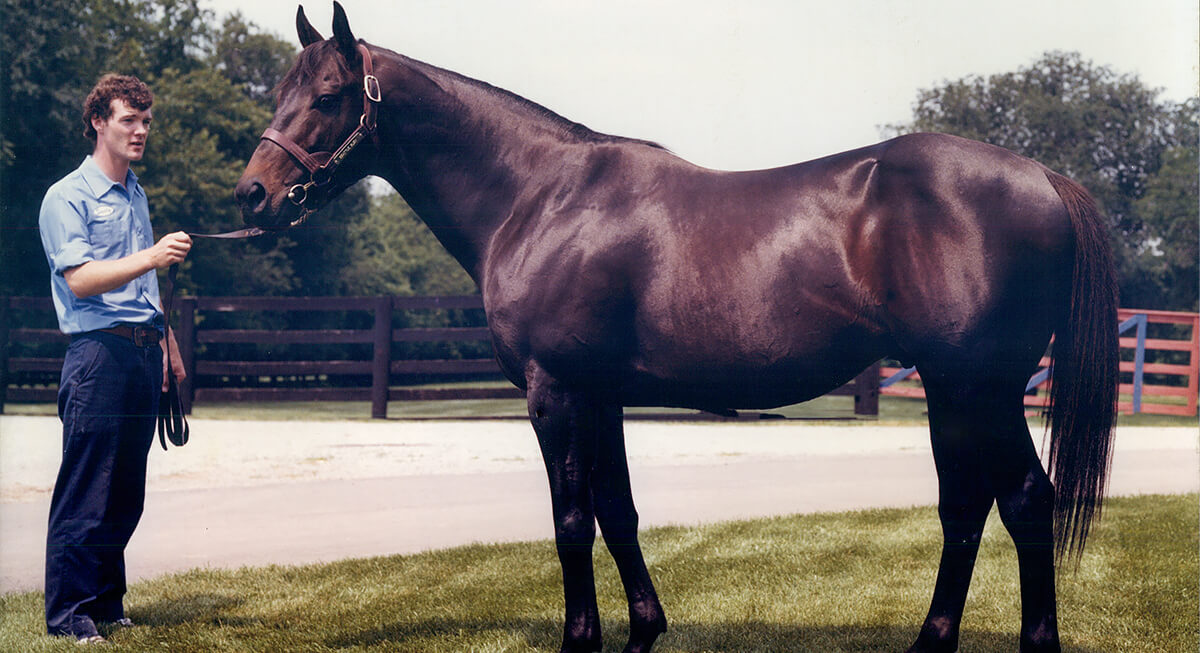
Credit: Wikimedia Commons
Seattle Slew entered the 1977 Triple Crown undefeated and managed to leave it the same way. This sets him apart, as no prior winner had completed the series without a loss. By the time he crossed the Belmont finish line, he had secured a place in history with a record that still feels rare.
American Pharoah Ends The Long Wait
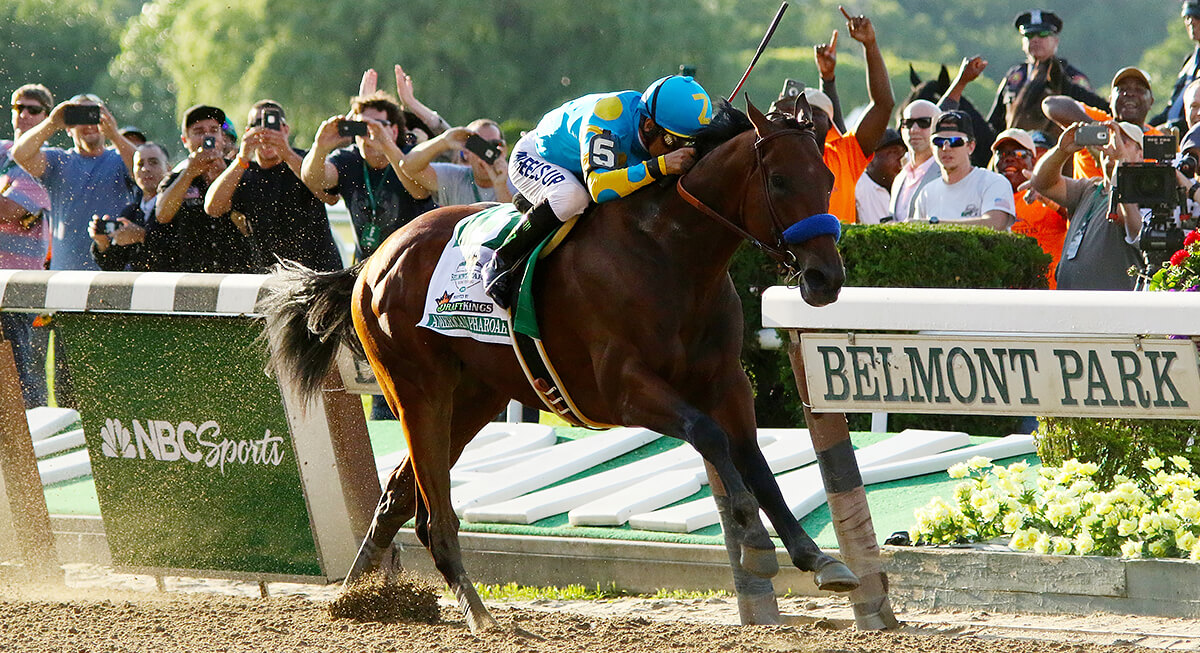
Credit: Wikimedia Commons
A 37-year gap stood between Triple Crown winners before American Pharoah changed the conversation in 2015. Expectations had built over decades, with several near-misses adding to the tension. His Belmont Stakes run removed any doubt, as he controlled the race from the front and finished strong.
Justify’s Unbeaten Rise To Glory
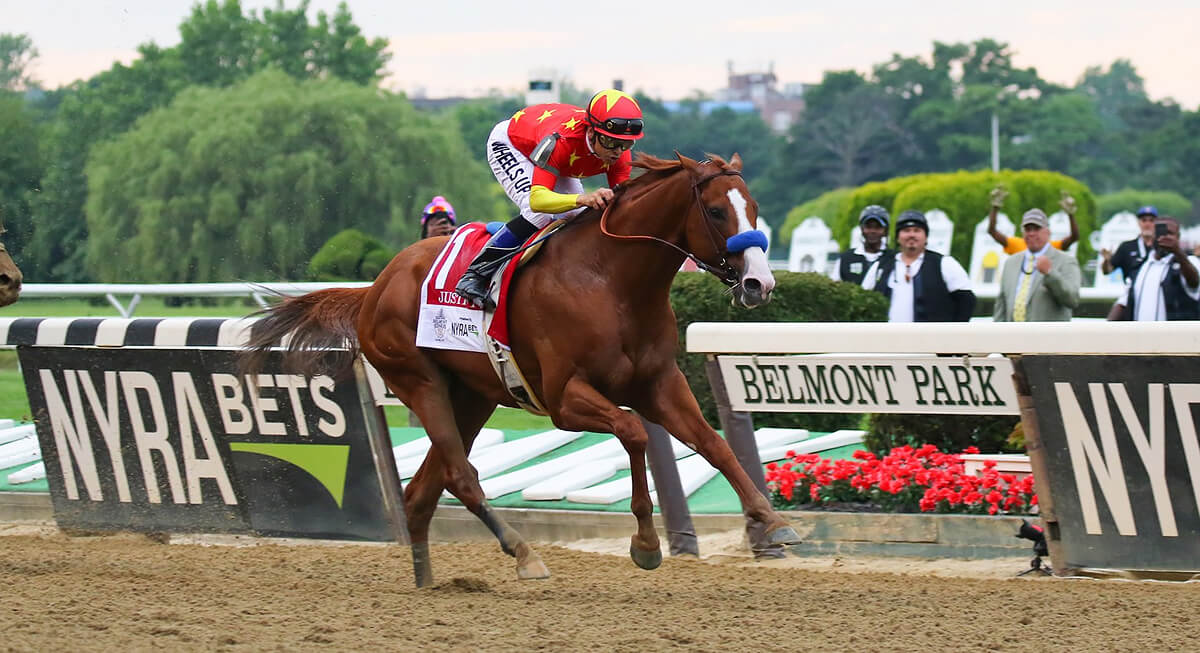
Credit: Wikimedia Commons
Justify’s 2018 Triple Crown run came with a unique twist. He had not raced as a two-year-old, something that historically worked against contenders. His quick development caught attention early, and he handled each leg with composure. Rain-soaked conditions at the Belmont did not slow him down, as he led from the start and never gave up position.
Secretariat’s Kentucky Derby Record Run
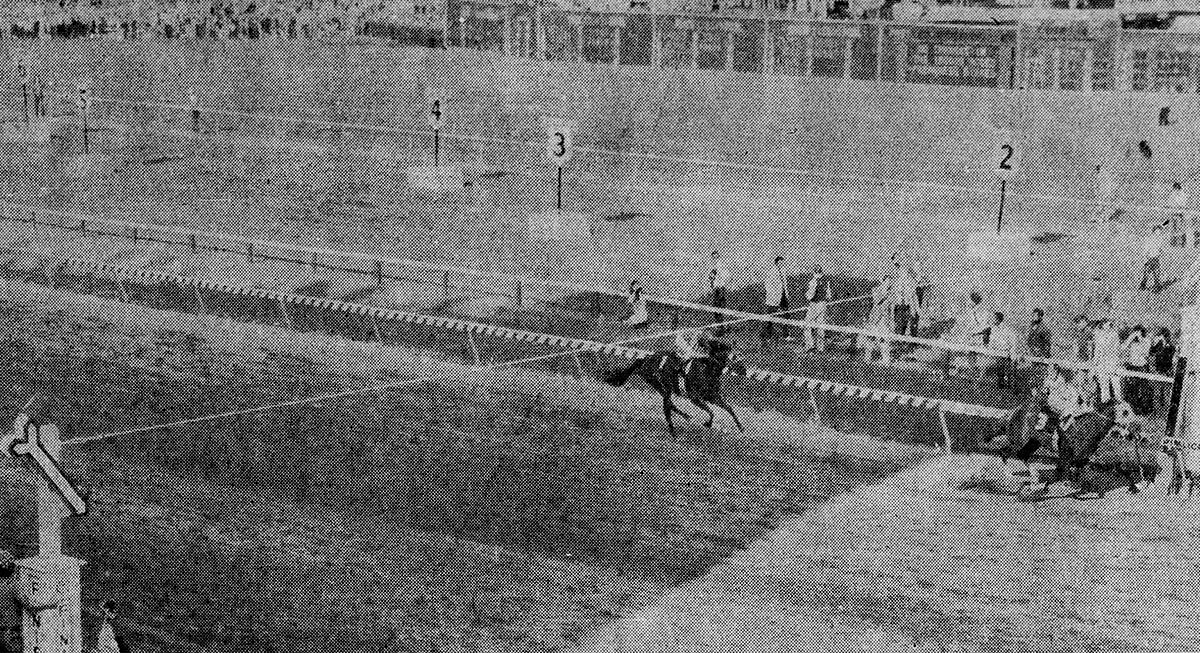
Credit: Wikipedia
Before the Belmont, Secretariat had already hinted at greatness during the Kentucky Derby. He ran each quarter mile faster than the last, a rare feat in a race known for early bursts followed by fatigue. His final time of 1:59 2/5 stood as a record for decades.
Smarty Jones Captures Public Attention
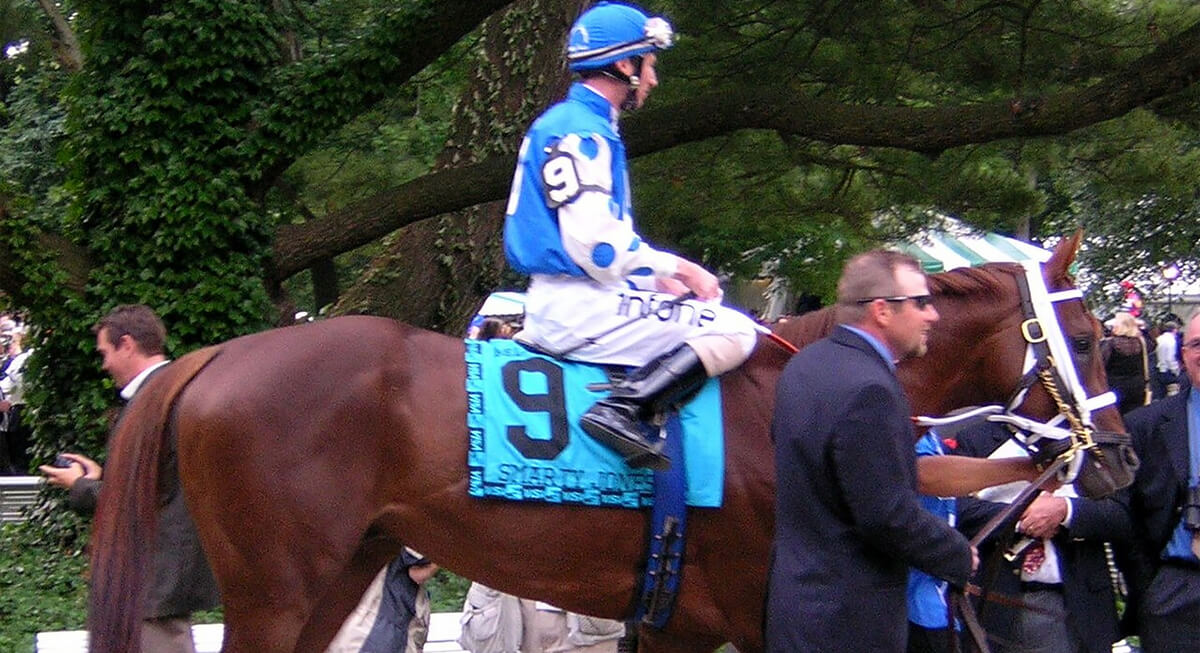
Credit: Wikipedia
In 2004, Smarty Jones brought a different energy to the Triple Crown trail. He came from modest beginnings and quickly became a fan favorite. His Kentucky Derby and Preakness wins drew large crowds and heavy media coverage. The Belmont did not end in victory, yet the support never faded.
Citation’s Postwar Dominance
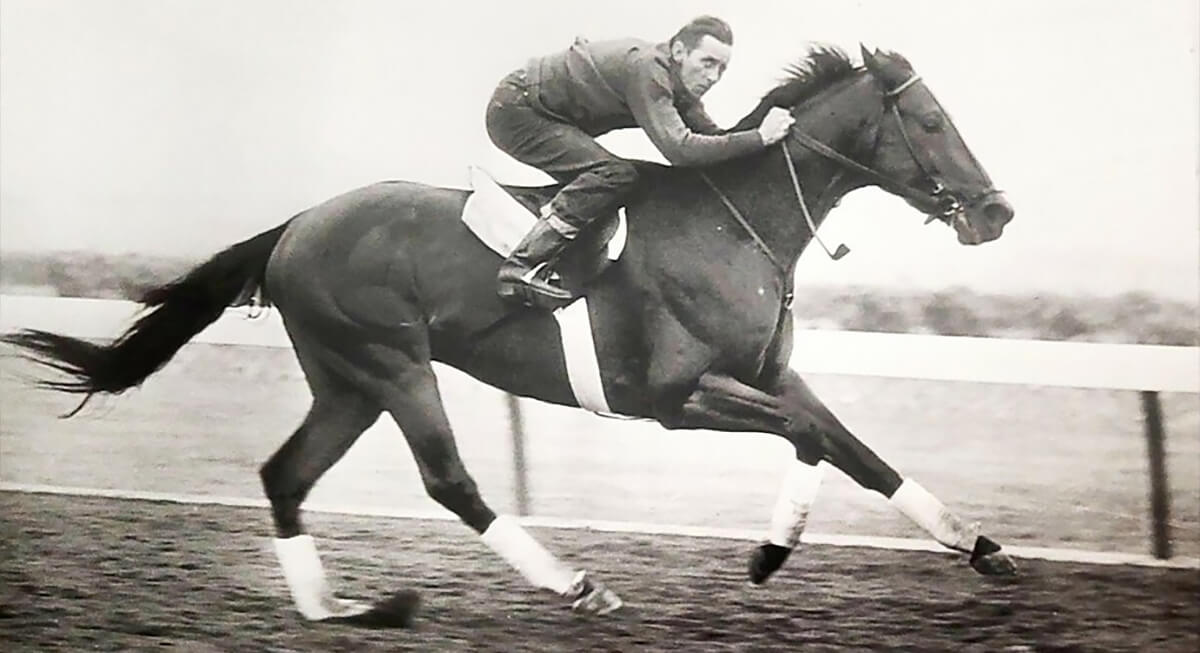
Credit: ebay
Citation’s 1948 Triple Crown win arrived during a period when the country was adjusting after WWII. He had already built a strong reputation before entering the series. He handled each race with control and consistency, rarely appearing challenged. By the end of his career, he became the first horse to earn one million dollars in prize money.
War Admiral’s Triple Crown Campaign
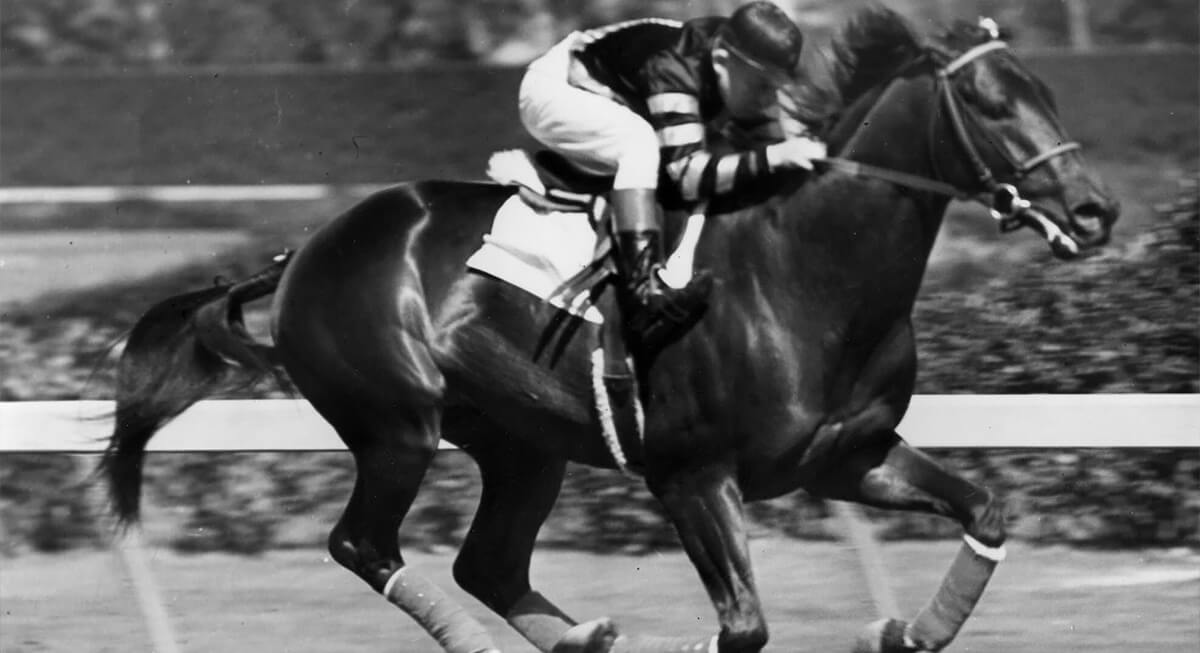
Credit: PBS
War Admiral claimed the Triple Crown in 1937 with a style that leaned on steady pacing and discipline. He often stayed close to the lead and waited for the right moment to take control. His Belmont victory sealed the series and reinforced his standing as one of the top horses of his time.
Gallant Fox And The Start Of A Legacy
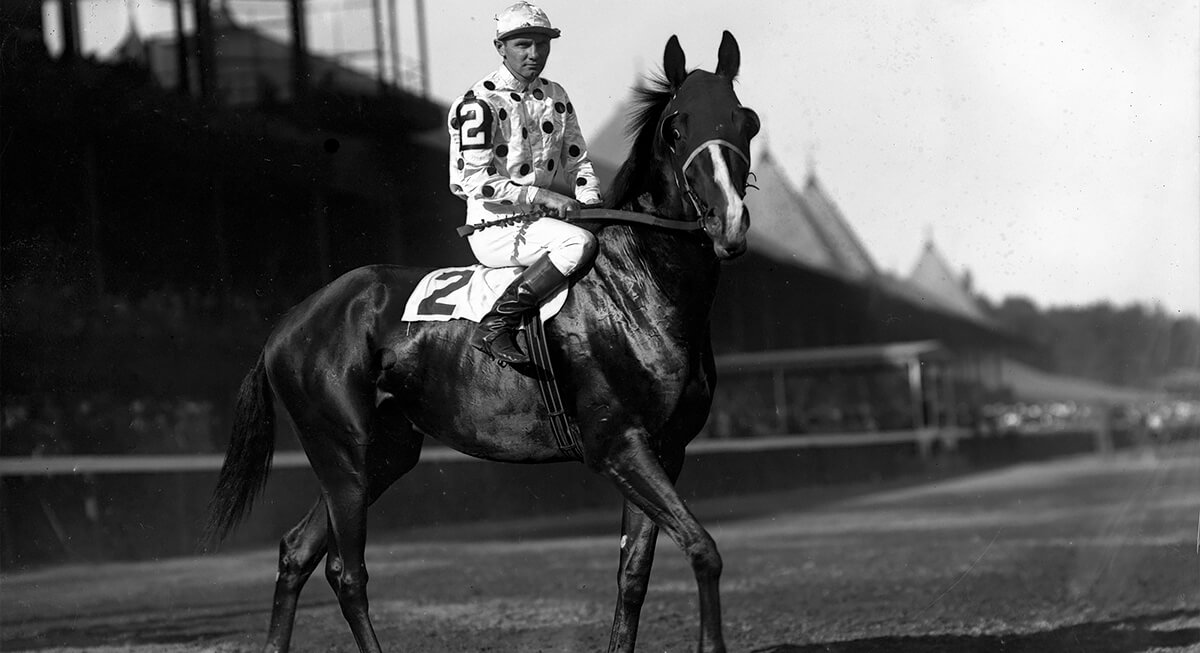
Credit: America’s Best Racing
Gallant Fox secured the Triple Crown in 1930, helping establish the series as a major benchmark in racing. His wins came during a period when the concept was still gaining recognition. He later became part of a rare father-son achievement, as his offspring Omaha also won the Triple Crown.