
Three on-site habits, from seat-hunting to scorecards, that keep old parks alive without turning them into museums.
Stop chasing the best seat. Chase the weird one.
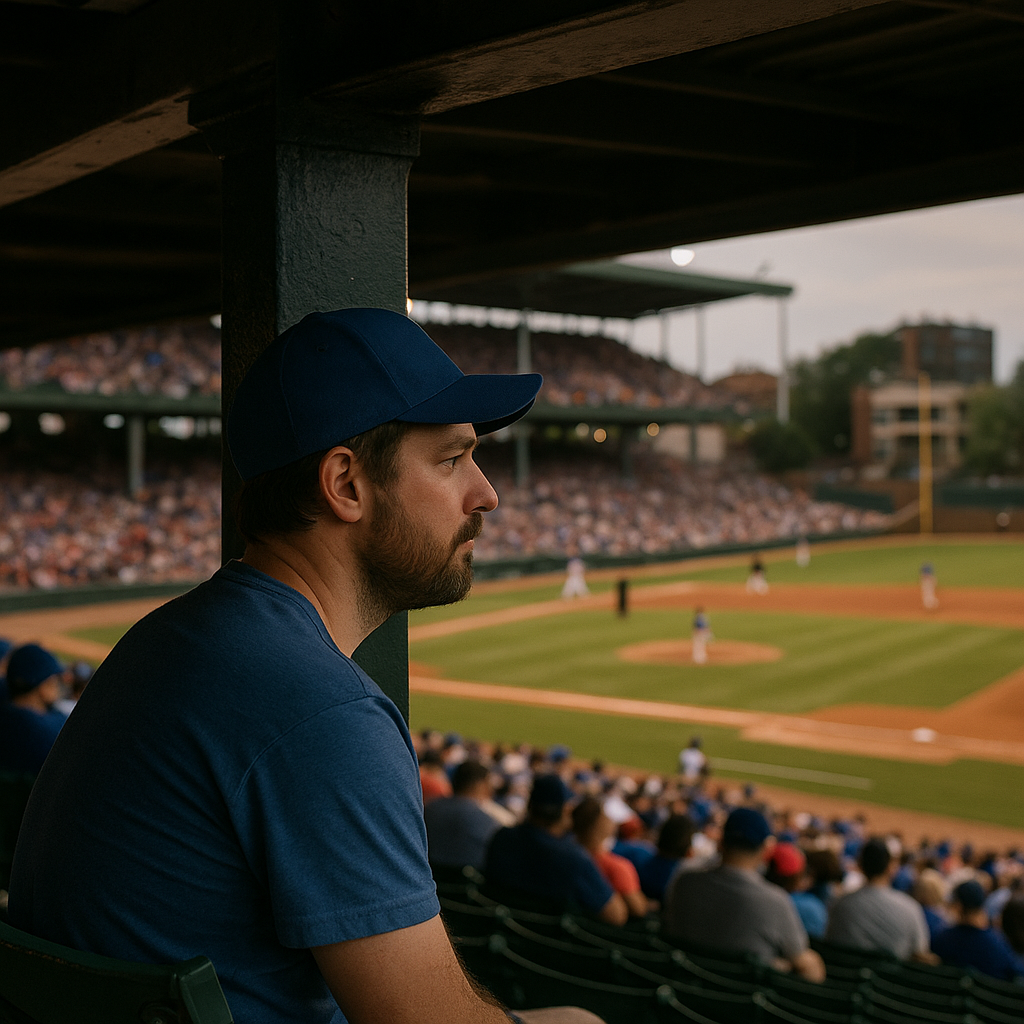
I used to do the same thing everyone does on a first visit: pull up the seating chart, hunt for the clean sightline, and treat the place like a geometry problem. In an older park, that mindset makes you miss the point. The charm isn't the unobstructed view. It's the oddball angles that force you to watch the game like people did when the building was new.
So now I intentionally buy the slightly annoying seat once per trip. The one under an overhang where the crowd noise gets trapped and swells. The one where a support post steals a slice of the infield. The corner where the outfielder looks closer than the pitcher. You learn the park's personality fast because you start noticing what the building is doing to your senses: how the PA system bounces, where the sun cuts across the baselines, why one section stays weirdly chilly even in July. In Chicago, a night breeze can make the upper deck feel like a different zip code, and the sound off the brick plays tricks on your sense of distance.
Here's the practical part, because there is one. When you're in a compromised seat, you adapt. You pick up the scoreboard more often. You track defensive positioning instead of just the pitch. You get better at reading swings by body language because you don't always get the perfect ball-flight view. And you end up talking to the people around you, because everyone in that pocket is solving the same little viewing puzzle. That's how these parks stay alive: not as preserved objects, but as places that still make fans do some work.
The scorecard is the cheapest piece of architecture in the building
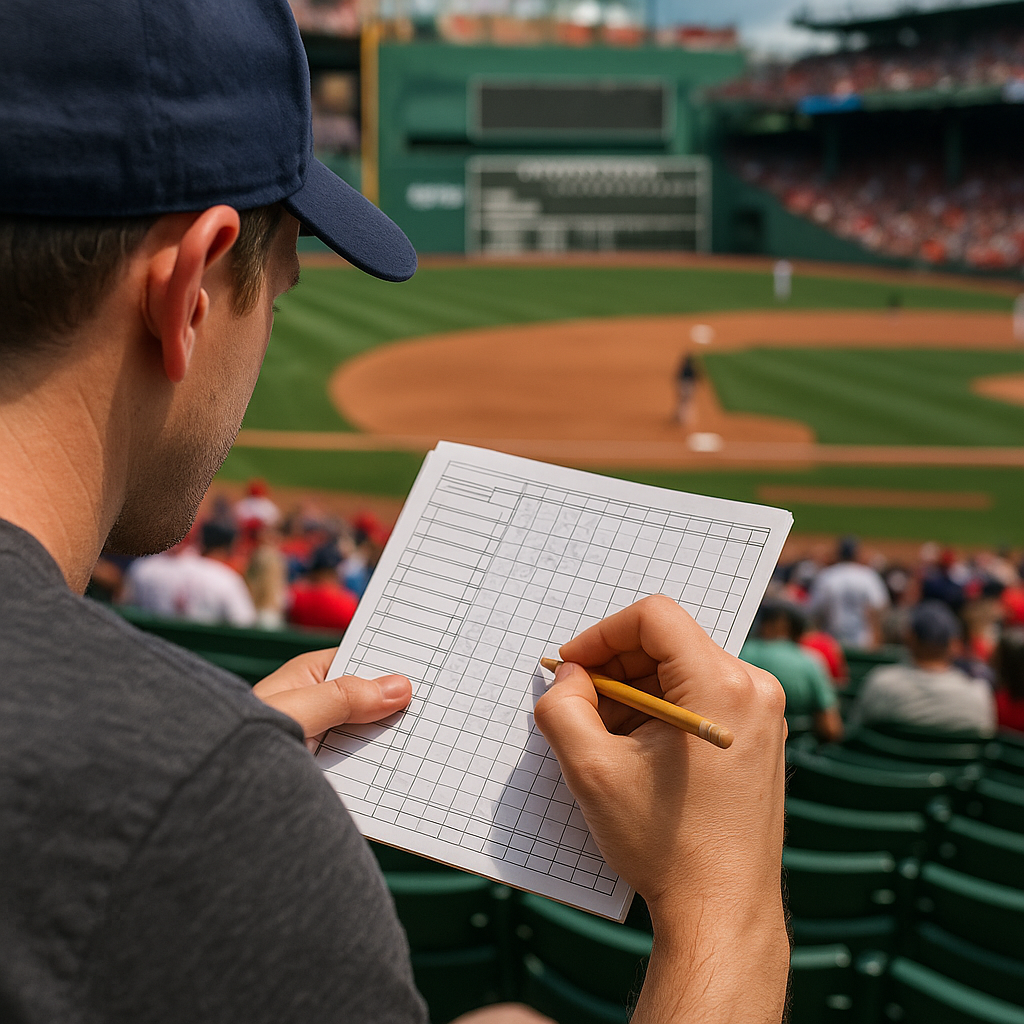
I know, keeping a scorecard can sound like cosplay if you haven't done it since Little League. But in an old park, it changes what you notice in a way that stadium renovations never will. You're not recording history for a scrapbook. You're forcing your attention to sit in the same places the building wants it to sit.
I buy the paper program at the gate, grab a short pencil, and keep scoring until at least the fifth. Not the whole game, not every game. Just long enough to get pulled into the rhythm. You start listening for the little tells: the delay between bat crack and the crowd's reaction in different sections, the way an ump's strike call echoes (or doesn't), the vendor cadence that repeats every half inning like it's part of the soundtrack. At Fenway, the Green Monster isn't just a backdrop. It's an active participant in how people react to fly balls, and you can hear it in the timing of the cheers.
Scoring also makes you look up at the in-park board more often, which is where a lot of legacy lives. Maybe it's the hand-operated vibe of the display, maybe it's just that you notice the inning-by-inning story instead of the constant churn of out-of-town updates. You catch stuff a phone app flattens out, like how long a pitching change really takes when the bullpen gate is a hike, or how a mound visit plays when the dugout is close enough to read lips.
If you're rusty, keep it simple: write the lineup, mark Ks and BBs, and note where the hits landed with a quick "LF" or "RF". The point isn't perfection. It's the way it nudges you into paying attention to the park as a working machine, not a photo op.
Take the long way around the concourse
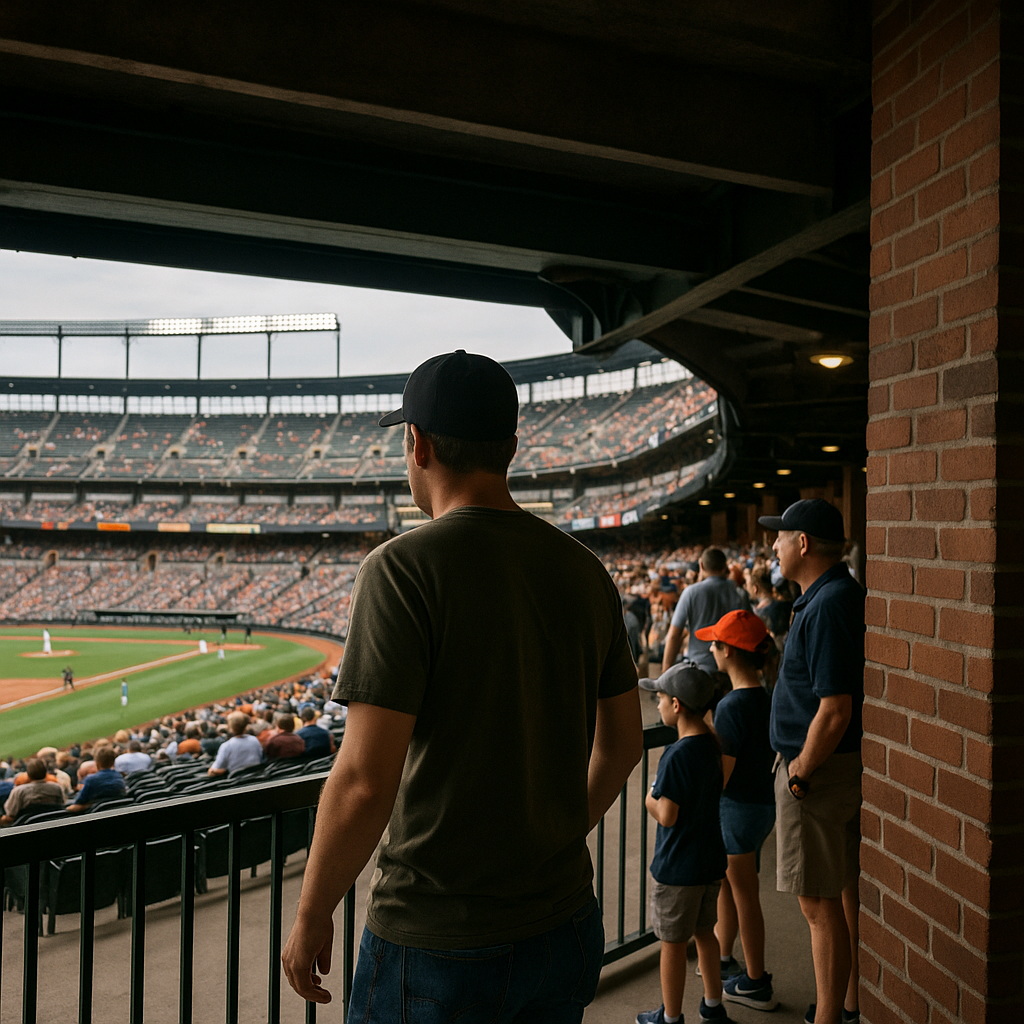
People love to talk about the landmark features, but the legacy of older ballparks lives in the in-between spaces: the choke points, the sightlines that open up for ten steps and then vanish, the corners where you accidentally find a view of the bullpen you didn't pay for. The best way I've found to feel that is to do a full lap early, before the lines get thick and before you've committed to your seat like it's home base.
I show up when gates open, pick a starting point, and walk the concourse like I'm trying to learn the building, not conquer it. In Baltimore, Camden Yards has spots where you can watch a whole at-bat from a standing rail and feel the crowd energy shift behind you when a hitter falls behind 0-2. In other older parks, you get the quirks: a sudden low ceiling that makes you duck, a narrow passage that turns everyone into polite shoulder-shufflers, the one staircase where you can smell garlic fries and stale beer at the same time and somehow it works.
This is also where you see what keeps a place from becoming a museum. You watch the staff make it run: the way ushers direct traffic without barking, how the concessions crew times a rush between innings, where the merch stands are placed so they don't crush circulation. And you notice the fans who treat the building with a little care without making a speech about it. People step aside to let a kid see through a gap in the railing. Someone points out a plaque you would've walked past. A season-ticket holder gives directions using landmarks that only exist in that park: the weird pillar, the beer stand with the fast line, the stairwell that always smells like popcorn.
By the time you sit down, you aren't just in a seat. You're in a place you can navigate, and that sense of belonging is the part no renovation can replicate.