The Best Returning High School Football Players to Watch in 2026
High school football schedules for 2026 start coming out months in advance, and coaches treat them almost like scouting reports. Big trips to top California teams, early games against strong Georgia programs, and nationally televised matchups already start shaping the story of the season before it even begins. Most of the attention ends up on returning players, since they’re the ones expected to carry those expectations into the new year.
Quarterbacks come into the season carrying expectations from past playoff success. Defensive backs often face Division I-level receivers every Friday night. Running backs take on workloads that would be heavy even in college football. By October, recruiting rankings matter less than whether a player can still control games, even when opponents have spent a full week preparing specifically to stop them.
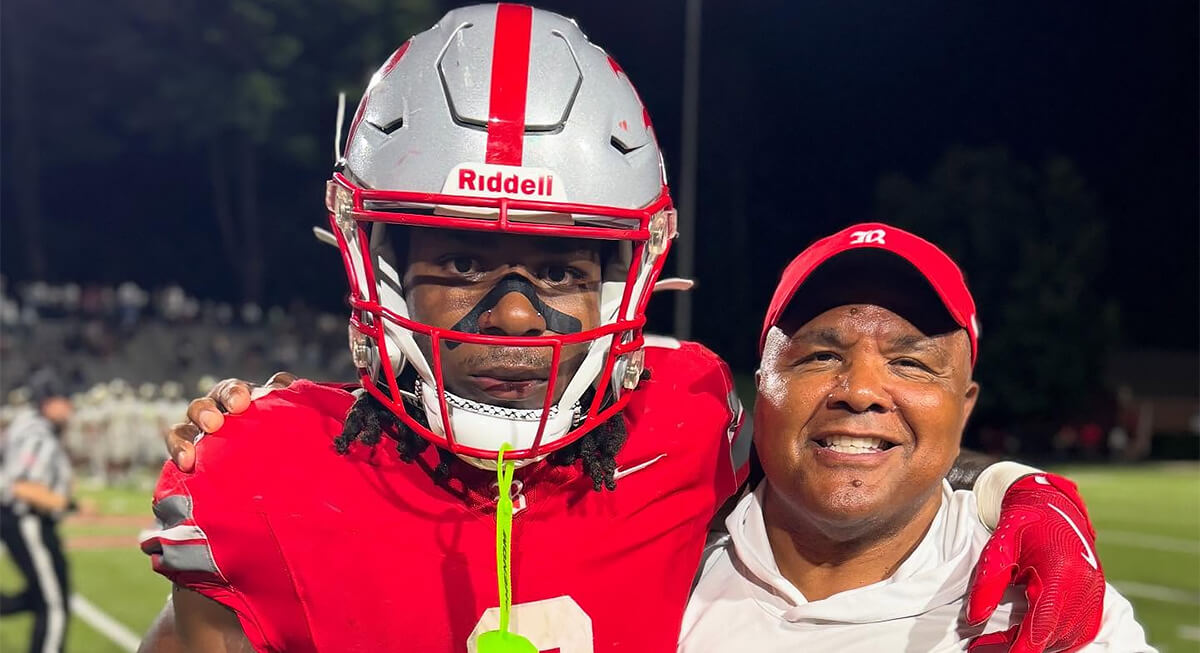
David Gabriel Georges, Baylor School Running Back
Credit: Instagram
Baylor School began last season without high expectations for a national title, but ended it by winning a Tennessee state championship. David Gabriel Georges powered most of that climb. The running back averaged more than 11 yards per carry while carrying one of the heaviest workloads among elite returning players nationally. Defenses stacked the box against him and still struggled. Baylor also plays a serious schedule, so the production did not come against lightweight competition buried in regional obscurity. Georges now enters 2026 as the centerpiece of the program.
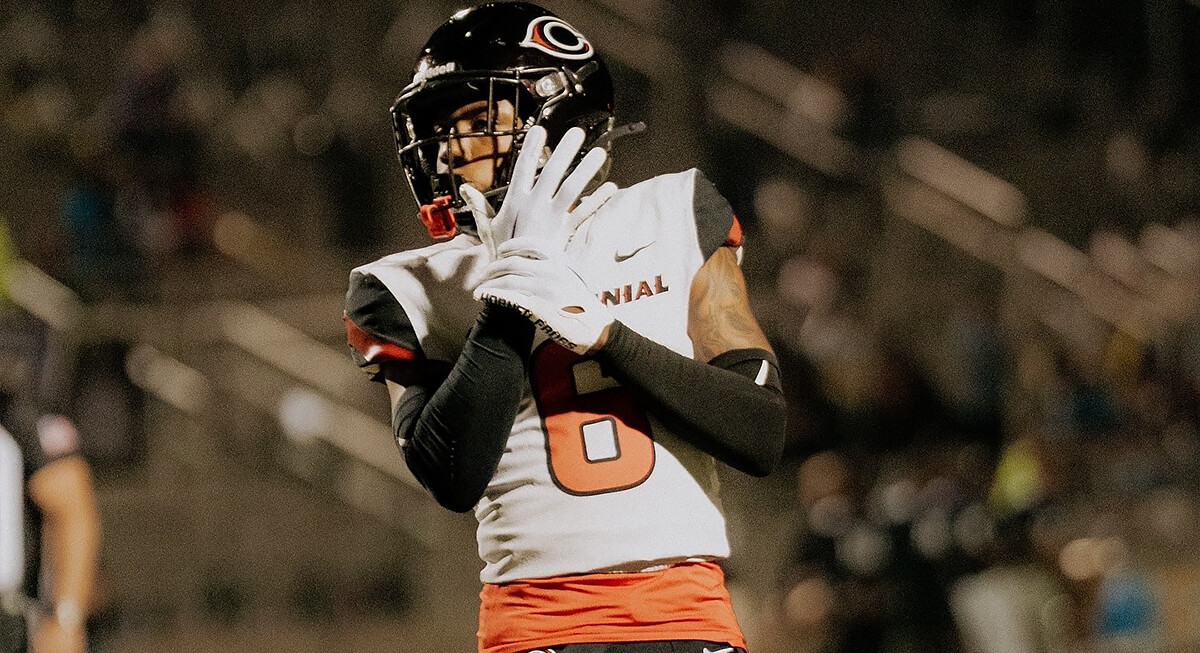
Jaden Walk-Green, Centennial Safety
Credit: Instagram
Centennial used Jaden Walk-Green almost like three players occupying the same jersey number. He intercepted passes, returned five for touchdowns, blocked kicks, handled kicking duties himself, piled up tackles, and contributed in the return game. Games involving Centennial could swing violently after one mistake because Walk-Green turned broken possessions into points faster than almost anyone in the country. Stats like 10 interceptions, six defensive touchdowns, a blocked field goal, and triple-digit tackles made the season a highlight reel. Even his interceptions became scoring plays because he also handled extra points after crossing the goal line himself.
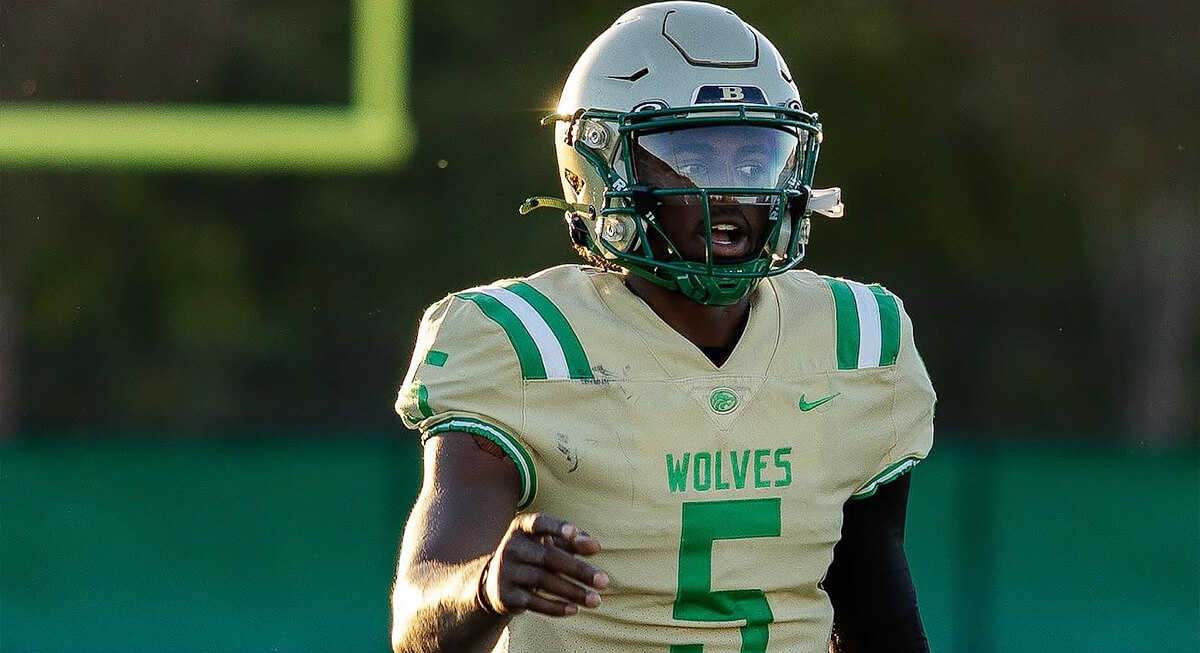
DJ Hunter, Buford Quarterback
Credit: Instagram
Buford is a program that quickly replaces talent and stays competitive, so losing a championship quarterback does not slow them down the way it might at most schools. DJ Hunter enters the season with very little varsity experience, but the team still expects to compete for another deep playoff run in Georgia’s toughest classification. That makes him an interesting case to evaluate. He has only 24 pass attempts from last season, but those came in a highly competitive setting. Even with limited experience, he was already operating inside a demanding system. At Buford, new starters are not eased in, and expectations stay high regardless of experience.
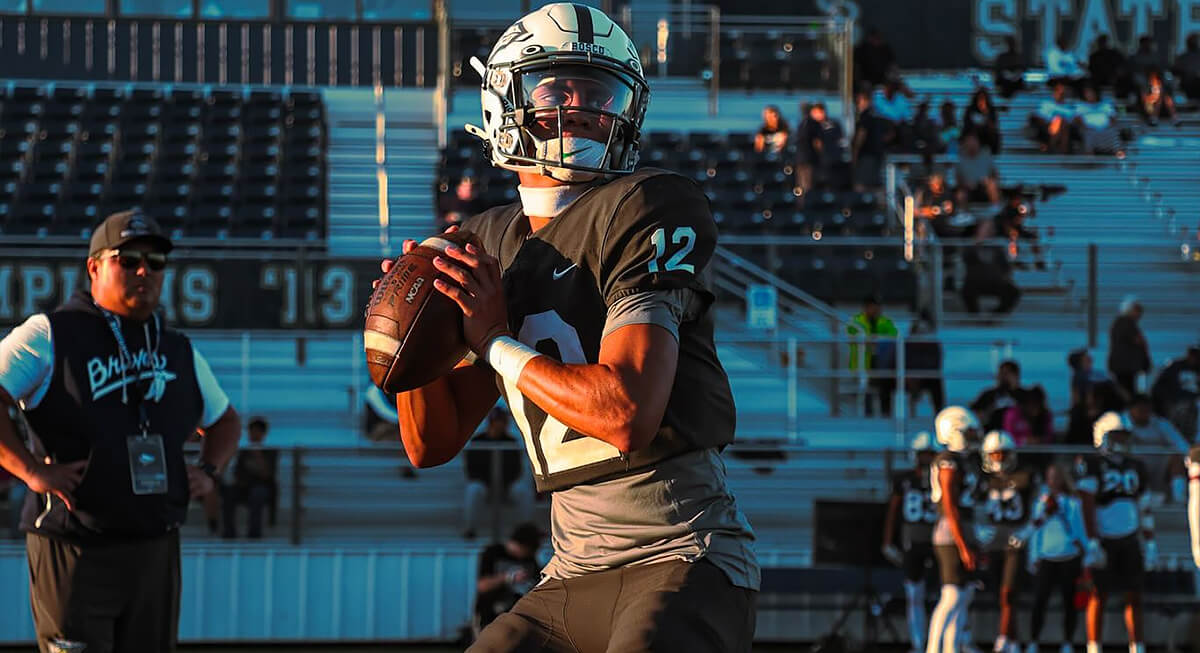
Koa Malau’ulu, St. John Bosco Quarterback
Credit: Instagram
Heavy rain played a major role in St. John Bosco’s postseason shift last year. The team entered the playoffs as a strong contender for another California Open Division run, but a disorganized loss to Orange Lutheran ended that momentum. Koa Malau’ulu finished that game with just 71 passing yards and an interception, a sharp contrast to his 33-touchdown regular season. That performance has since become part of how the program is viewed heading into 2026. Playing in the Trinity League already puts quarterbacks under constant pressure against elite defensive talent. On top of that, Bosco starts every season with national title expectations, not just state-level goals.
Eric McFarland III, IMG Academy Wide Receiver
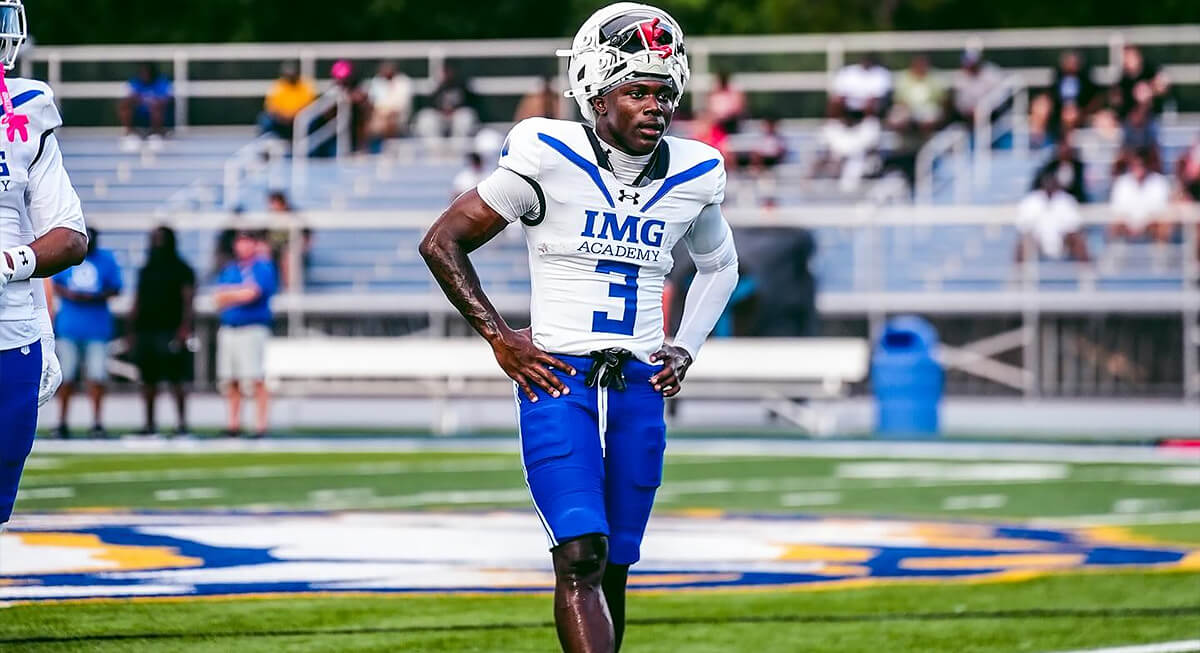
Credit: Instagram
IMG Academy rotates future Power Four talent through the lineup every season, yet Eric McFarland III still became the offense’s most dangerous vertical threat. His numbers stand out because a high percentage of his catches ended in touchdowns. Even when defenses limited him for long stretches, one missed assignment or one deep route could flip the game. This kind of threat forces opponents to adjust before the ball is even snapped. Safeties can’t stay aggressive in run support, cornerbacks have to give more space, and that extra attention opens up easier throws underneath for other receivers.
Hayden Stepp, Bishop Gorman Cornerback
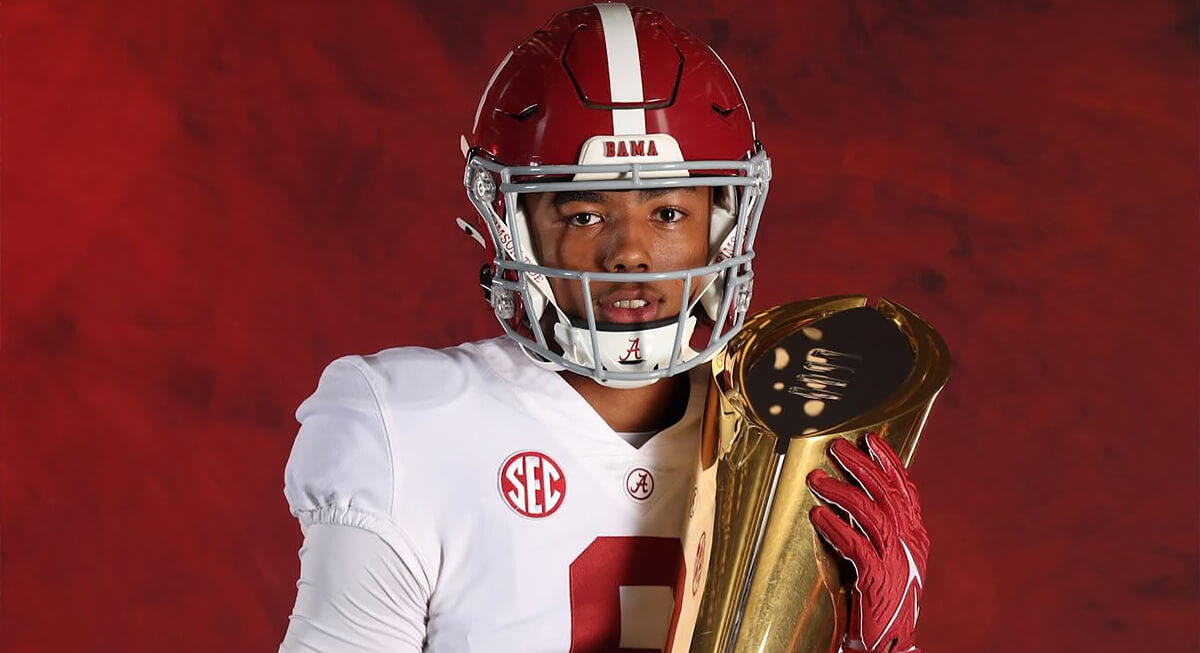
Credit: Instagram
Quarterbacks avoided Hayden Stepp more often last season, which is why his interception numbers don’t look high on paper. But his impact was still clear on film. Opposing offenses often stopped targeting his side of the field once Bishop Gorman’s defense settled in. In some games, that effectively removed a whole section of the field from the playbook. At 6-foot-3.5, Stepp has rare size for a corner while still being reliable in run defense and deep coverage. That mix is especially important given Bishop Gorman’s schedule. The team regularly faces national opponents with top-level college receivers, so their defensive backs are tested every week and rarely get easy matchups.
Raylaun Henry, St. Frances Academy Cornerback
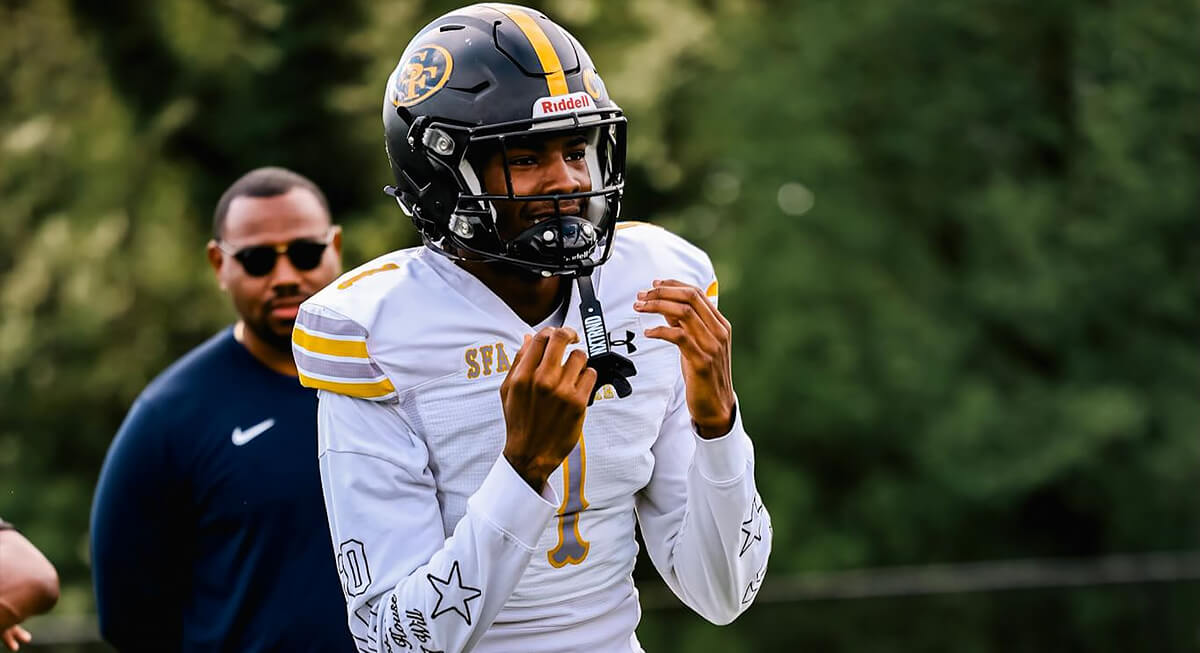
Credit: Instagram
Receivers often go entire games against St. Frances Academy without many targets coming their way, largely because of Raylaun Henry. Offenses frequently avoid his side of the field since testing him repeatedly carries too much risk, especially against a defense that already relies on pressure and physical coverage. Even so, Henry stays involved in plays because he closes space quickly when the ball moves outside the structure of the offense. Screens, crossing routes, and broken plays rarely stay away from him for long. St. Frances also plays a national schedule every year, which means Henry is regularly matched up against high-level receiver talent throughout the season.
Mark Matthews, St. Thomas Aquinas Offensive Tackle
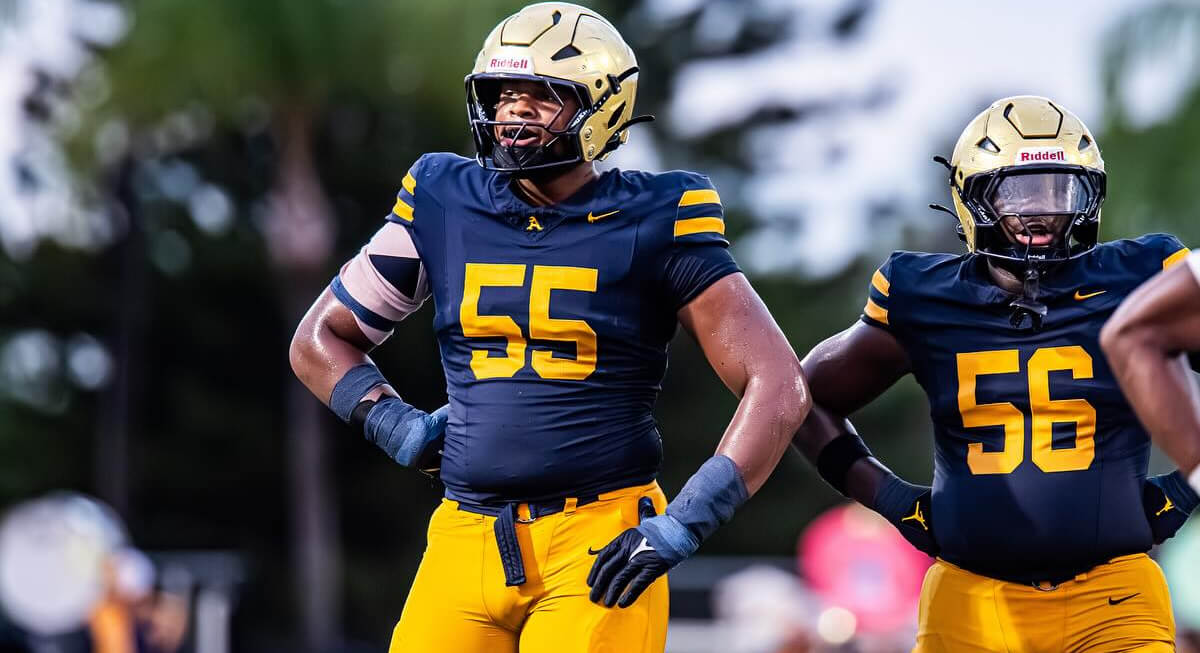
Credit: Instagram
Pass protection rarely becomes viral content, but St. Thomas Aquinas asks Mark Matthews to handle some of the hardest work in high school football every Friday night. The left tackle protects the blind side against edge rushers headed toward major college programs while anchoring an offense adjusting to transfer quarterback James Perrone. Matthews weighs around 300 pounds, but still moves comfortably enough to mirror speed rushers in space and recover inside against counter moves. His impact becomes obvious in longer-developing plays where quarterbacks need extra time to let routes unfold downfield.
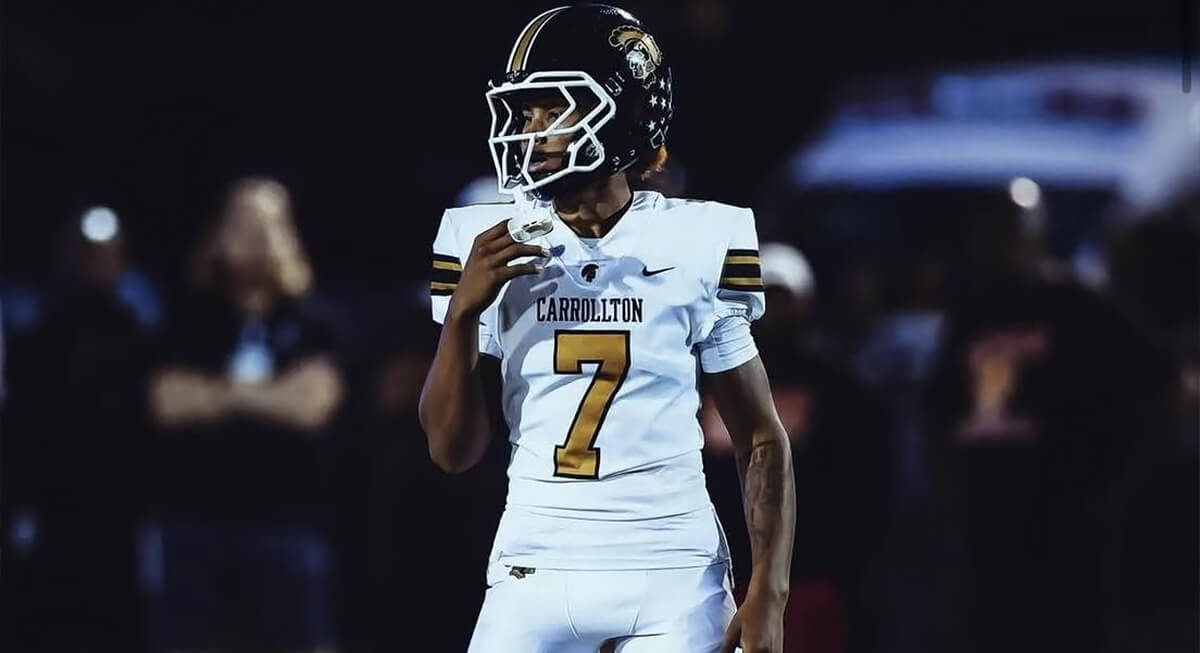
CJ Cypher, Carrollton Quarterback
Credit: Instagram
Georgia’s highest classification usually exposes freshman quarterbacks quickly. CJ Cypher survived it immediately and pushed Carrollton all the way into a state championship game while throwing only three interceptions across the season. His level of control stood out almost as much as the yardage totals. Carrollton also knocked off powerhouse Grayson during its playoff run. This accelerated national attention around Cypher earlier than most quarterbacks. Now the challenge changes completely. Opponents have a full offseason of film, scouting reports, and defensive adjustments built specifically around him.
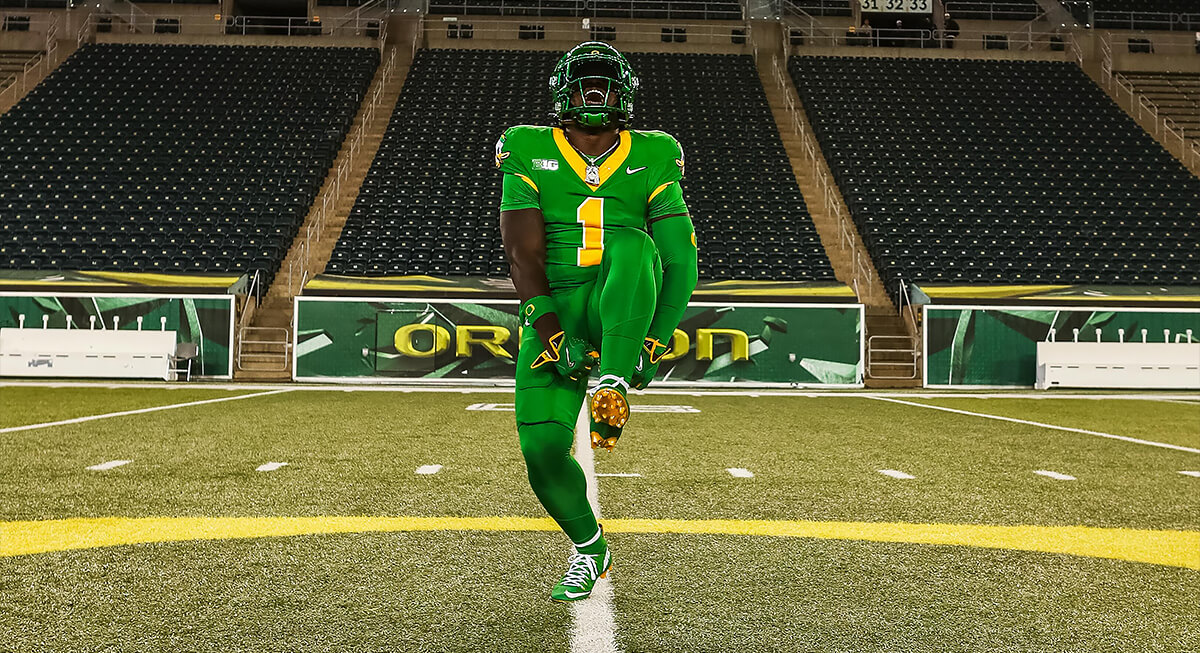
Landen Williams-Callis, Randle Running Back
Credit: Instagram
Texas ‘ defense spent last season watching Landen Williams-Callis pile up rushing yards. The Randle running back finished with 3,502 yards and 59 touchdowns while carrying the Lions all the way to a state runner-up finish. Those numbers change how every opponent prepares during the offseason because entire defensive fronts now revolve around slowing him first. Texas playoff football creates brutal cumulative wear for high-volume running backs. Long travel, deep brackets, and weekly physical games grind down even elite players by November. Williams-Callis handled that pressure while continuing to produce explosive runs late into the season.