10 Greatest Boxing Nicknames and the Stories Behind ‘The Greatest,’ ‘Iron Mike,’ and More
Boxing has always relied on nicknames to tell the story before the opening bell. They appear on posters, trunks, and introductions, and often carry more weight than a fighter’s real name. The best ones stick because they feel earned.
These titles follow fighters long after the gloves come off and often say more than a record ever could.
Muhammad Ali — The Greatest
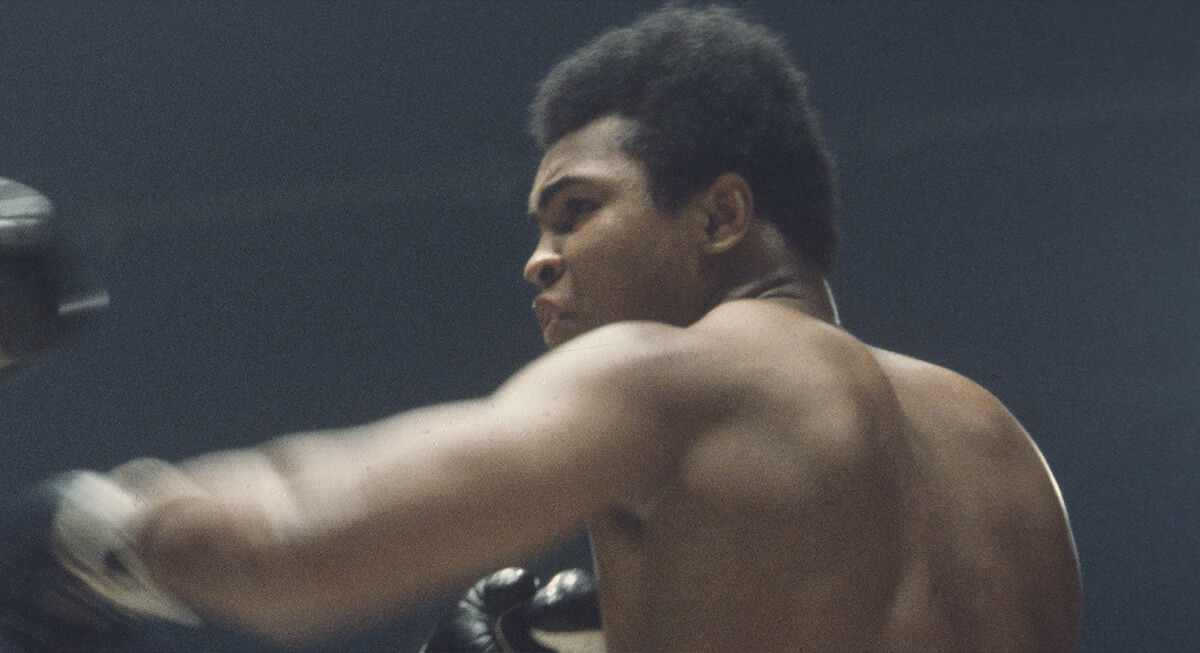
Credit: Wikimedia Commons
Muhammad Ali called himself “The Greatest” very early on, before the wins fully backed it up. That confidence turned into part of his identity. Over time, the nickname became a fact. It worked because Ali’s personality, performances, and cultural impact all matched the scale of the name.
Mike Tyson — Iron Mike
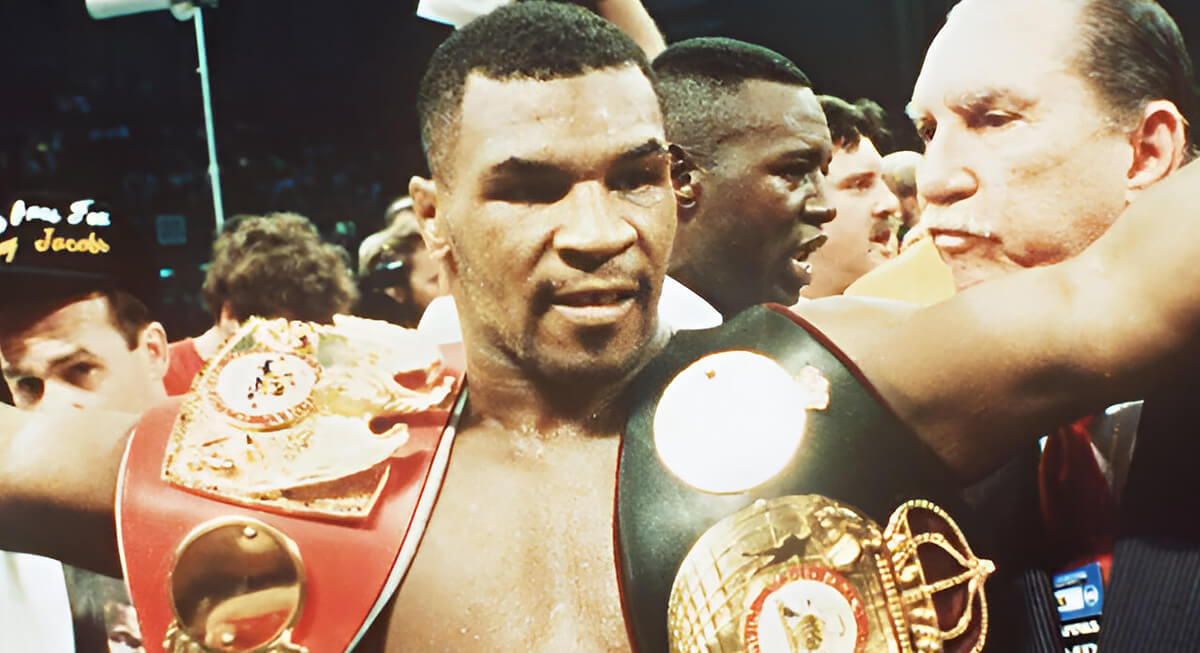
Credit: Wikimedia Commons
The nickname “Iron Mike” reflects exactly what opponents felt once the bell rang. Tyson built his reputation as a teenager by knocking out grown men with speed that didn’t match his size. Trainers and commentators leaned into the image quickly. His punches looked heavy and final, and the nickname left little room for interpretation.
Manny Pacquiao — Pac-Man
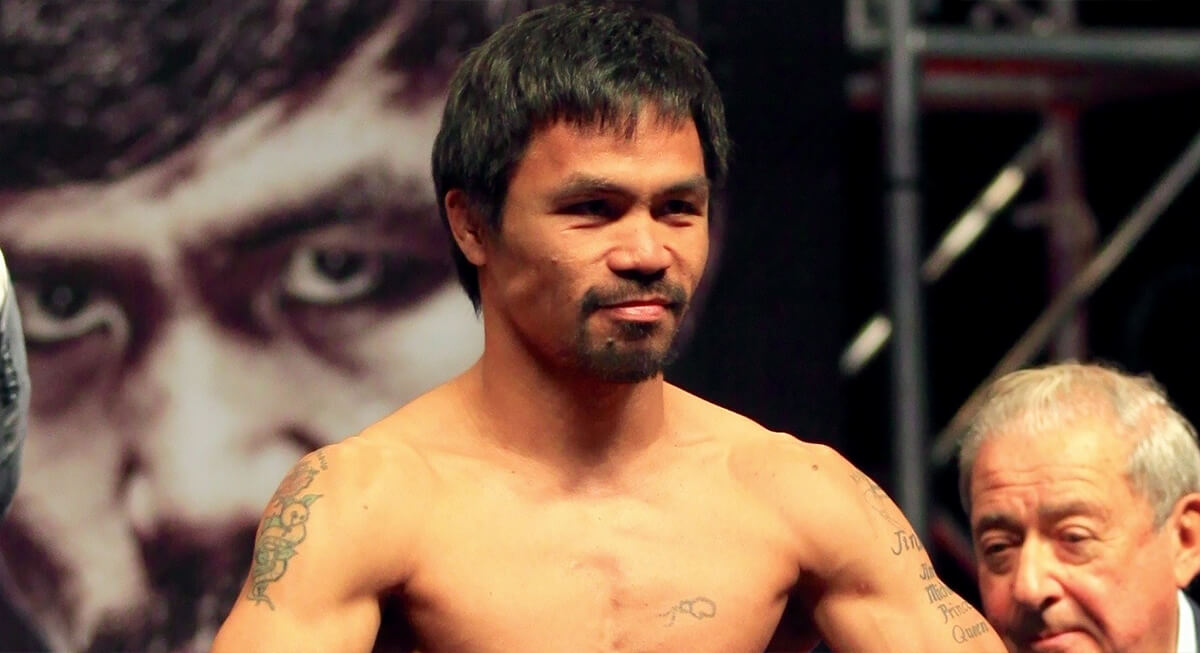
Credit: Wikimedia Commons
“Pac-Man” sounds playful at first, which made it even more effective once people saw how Manny Pacquiao fought. The reference to the arcade character came from how he moved through weight classes and opponents. He kept coming forward. The nickname fit a career built on speed and constant motion.
Roberto Durán — Hands of Stone
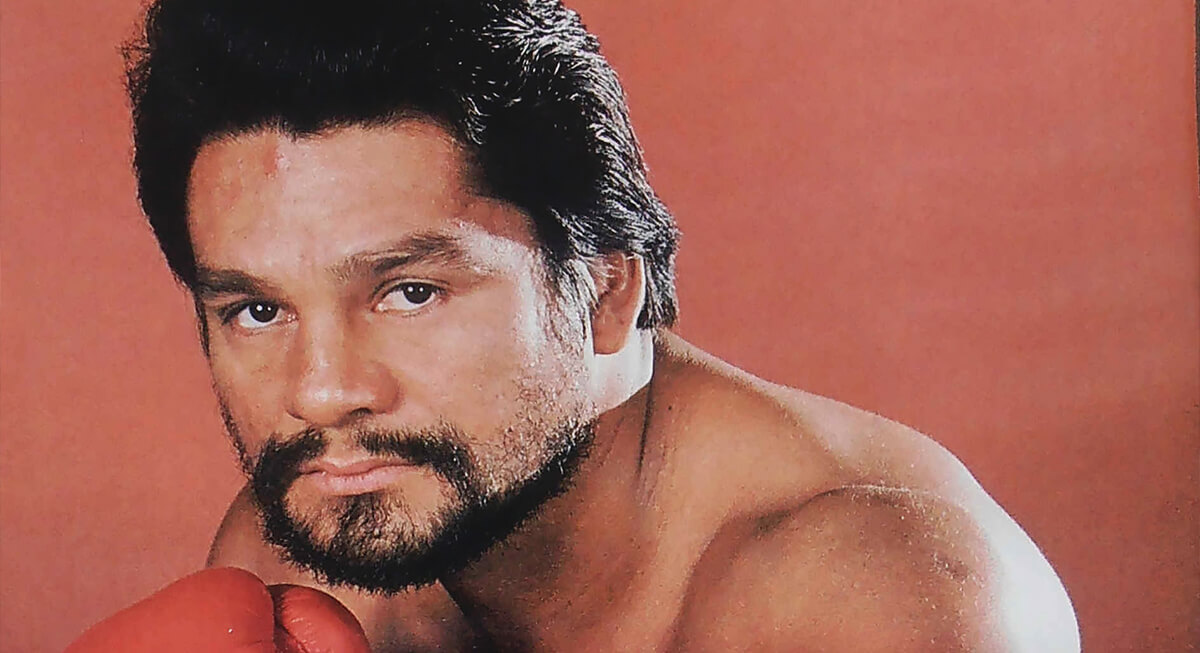
Credit: Wikimedia Commons
“Hands of Stone” described what happened when Roberto Durán connected cleanly. Fighters who shared the ring with him often talked about the impact lasting beyond the moment. The name came from Panama and traveled with him worldwide. It stayed because his power looked natural, and it showed in every division he competed in.
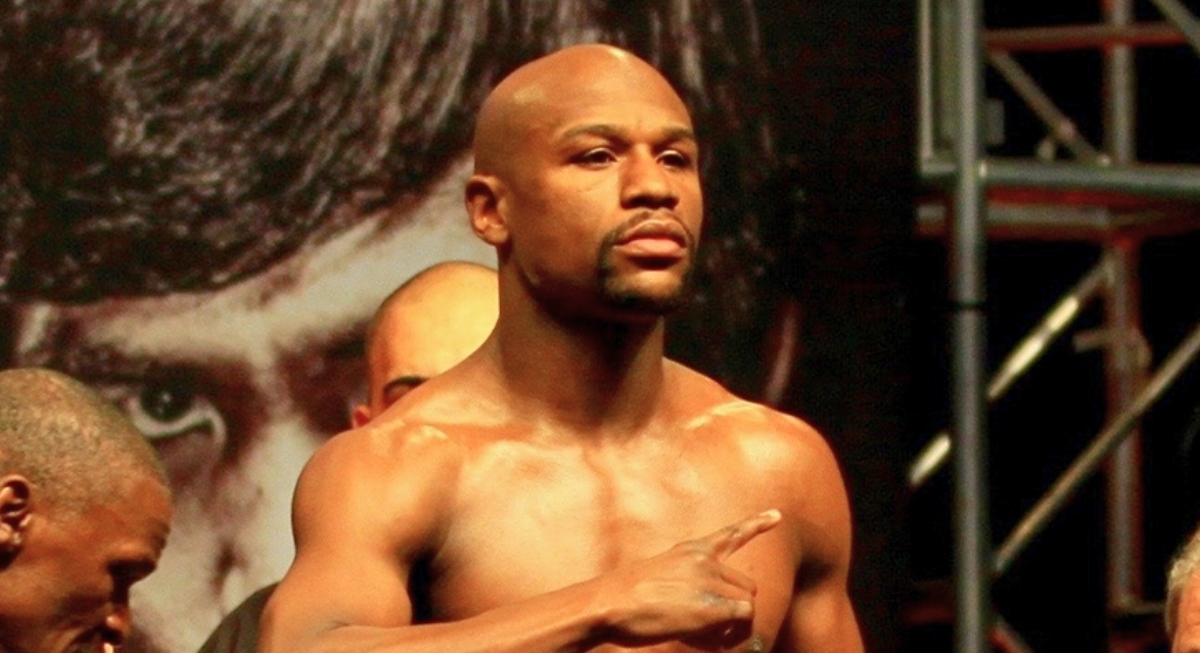
Floyd Mayweather Jr. — Money
Credit: Wikimedia Commons
Early in his career, Floyd Mayweather Jr. went by “Pretty Boy,” a nod to his ability to leave fights without visible damage. The switch to “Money” came as he leaned into the business side of boxing and built a brand around earnings and spectacle. It became part of his promotion strategy and matched the scale of his pay-per-view success.
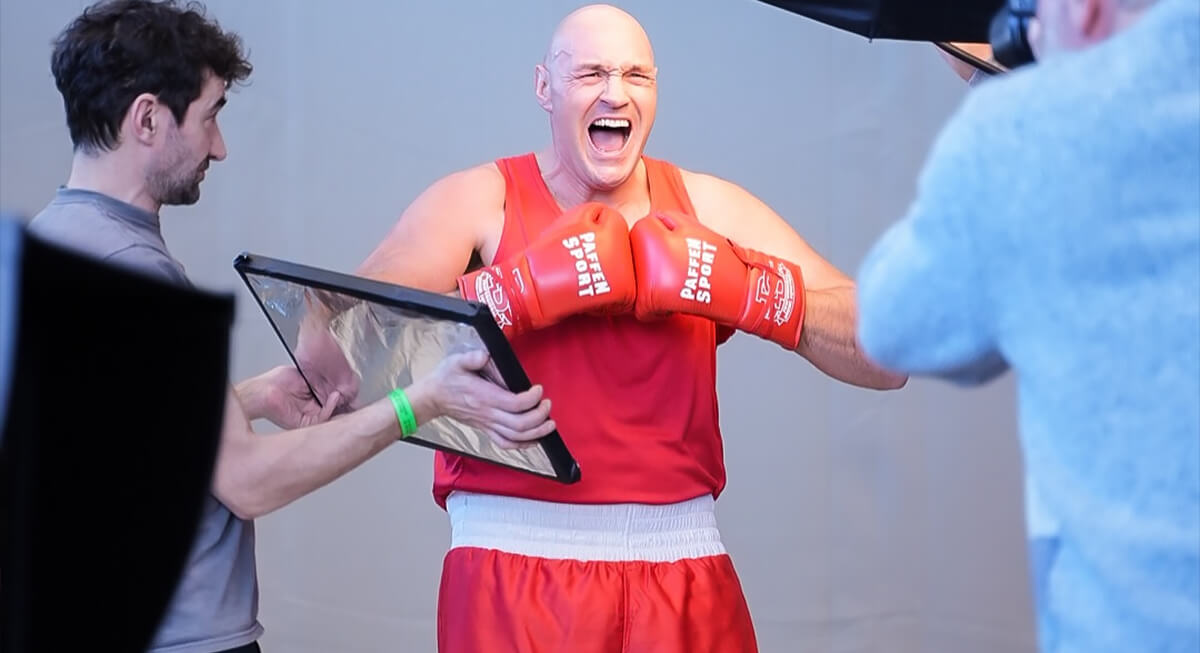
Tyson Fury — The Gypsy King
Credit: Instagram
“The Gypsy King” reflects Tyson Fury’s heritage and the way he presents himself inside and outside the ring. The title connects to a family history tied to bare-knuckle fighting and traveler culture. Fury embraced it fully after winning the heavyweight title in 2015.
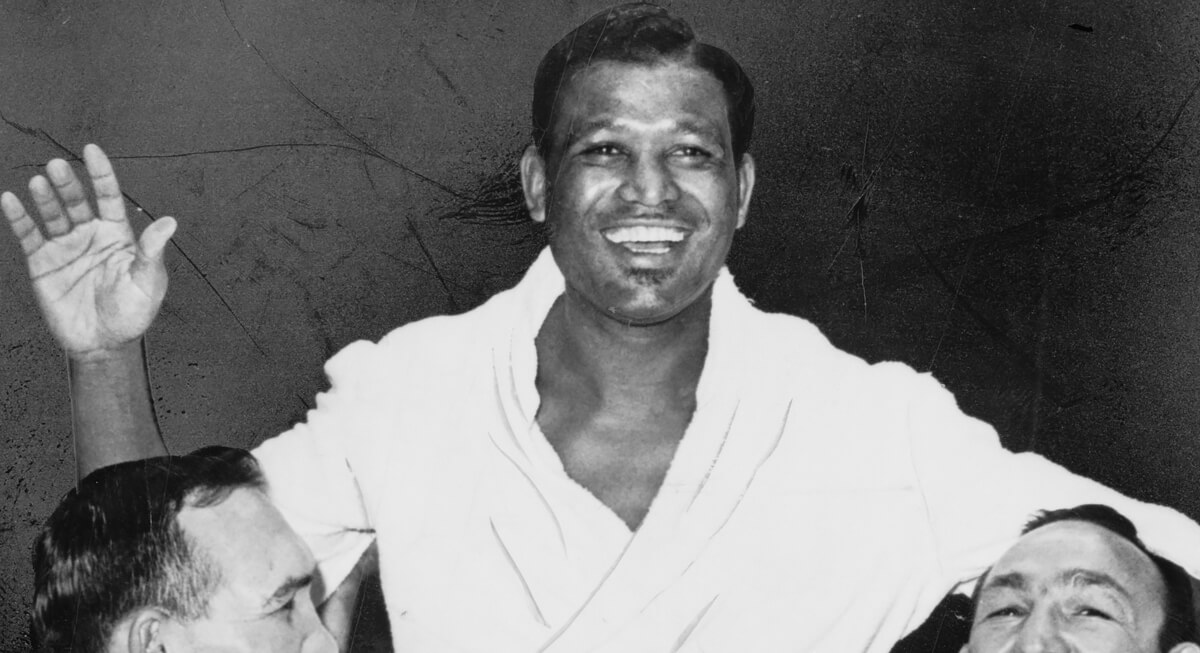
Sugar Ray Robinson — Sugar
Credit: Wikimedia Commons
The story behind “Sugar” traces back to a reporter who watched a young Robinson and described his style as sweet. The word stayed with him and eventually became part of boxing history. Robinson’s footwork and timing gave the nickname credibility. It also set a template that others followed.
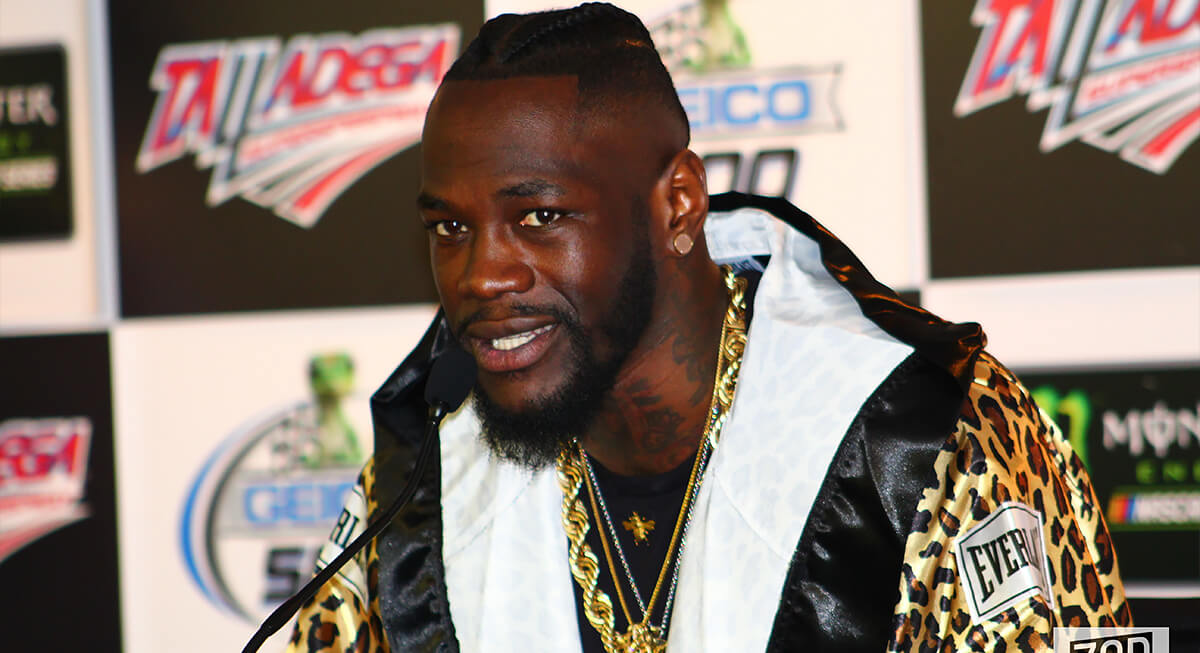
Deontay Wilder — The Bronze Bomber
Credit: Wikimedia Commons
Deontay Wilder’s nickname carries two references in one phrase. “Bronze” points to his Olympic medal in 2008. “Bomber” connects to Joe Louis and his own knockout power. Wilder chose something that linked the past and present without feeling outdated. The name prepares fans for what they’re about to see.
Marvin Hagler — Marvelous
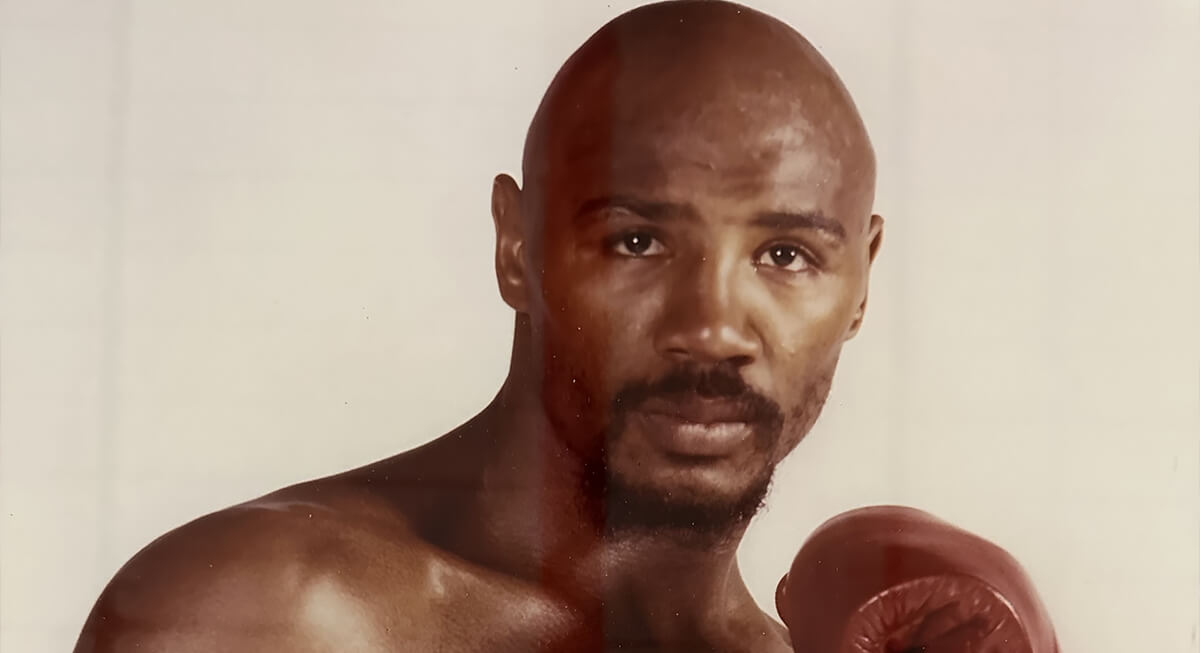
Credit: Wikimedia Commons
After hearing announcers leave out “Marvelous,” Marvin Hagler made it official by legally changing his name. That decision tells you how seriously he took it. It matched his disciplined and relentless approach in the ring. It also showed a sense of control over his image.
Oscar De La Hoya — The Golden Boy
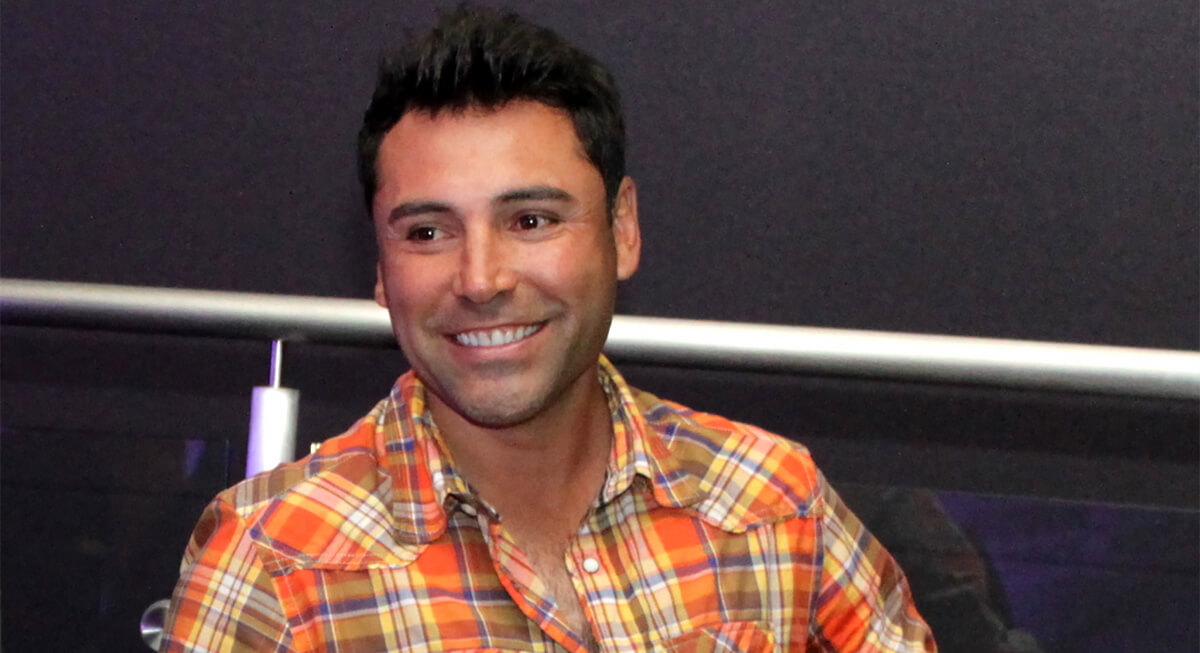
Credit: Wikimedia Commons
Oscar De La Hoya’s nickname traces back to his Olympic gold medal in 1992, but it didn’t stop there. “The Golden Boy” became part of how he was marketed to a broader audience. He crossed into mainstream media and later used the name for his promotional company.