10 Details That Matter in Giants vs. Vikings
Giants vs. Vikings is currently in that uncomfortable part of the season where teams are no longer defined by expectations, but by what still works. Young players are being tested in real situations, and coaches are adjusting on the fly. Here are 10 things that influence how the Giants vs. the Vikings play out on the field.
Young Quarterbacks Learning in Public
Credit: Instagram
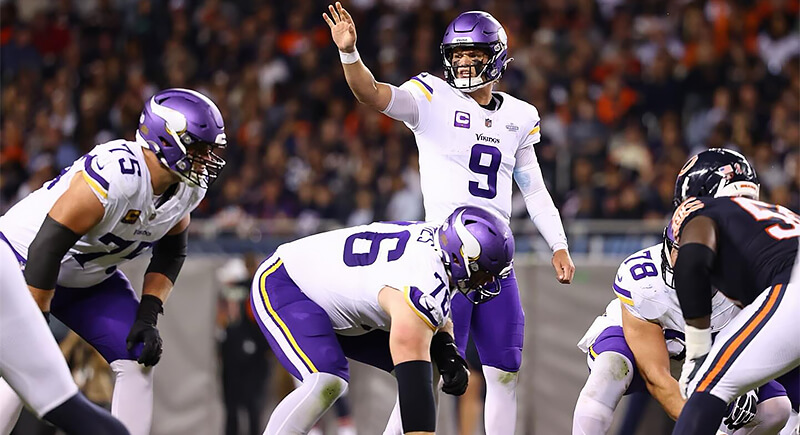
Both offenses are being led by quarterbacks still adjusting to NFL speed. Jaxson Dart has already handled extended stretches of responsibility, while J.J. McCarthy is being eased through situations that can unravel quickly. How each responds to early pressure tends to shape the tone of the entire afternoon.
What the Last Meeting Still Lingers
Credit: Wikimedia Commons
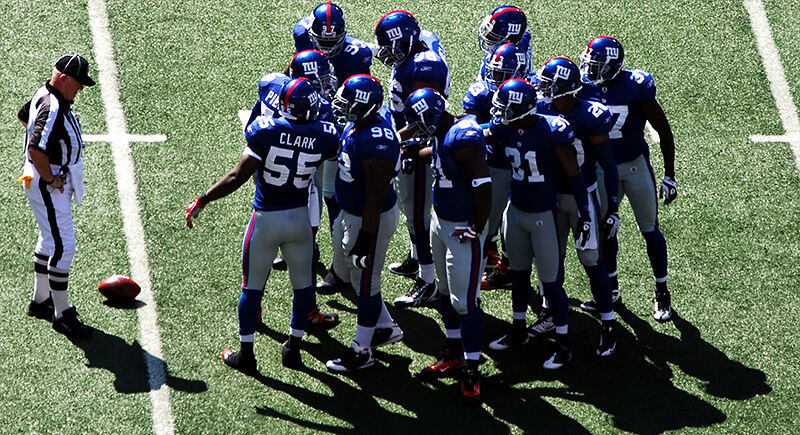
The Giants’ playoff win over Minnesota in January 2023 hasn’t vanished from memory, even with roster turnover. Several veterans on both sides experienced how fast momentum shifted that night. The setting is different now, but familiarity changes how teams prepare, especially when adjustments are needed mid-game instead of being scripted early.
Offensive Lines Under Stress

Credit: Instagram
Minnesota has been reshuffling its protection since losing left tackle Christian Darrisaw, and that changes where pressure is generated. New York’s front has its own availability questions, which affect rotation and stamina. Games like this often hinge on whether quarterbacks can trust the pocket long enough to finish reads.
A Rookie Forcing Attention

Credit: Instagram
Last week made it clear that Abdul Carter can’t be ignored. His burst off the line disrupts timing even when he doesn’t reach the quarterback. Offenses start accounting for him with chips and slides, which reshape protection and open space elsewhere along the front.
Pressure Comes From Everywhere
Credit: Instagram
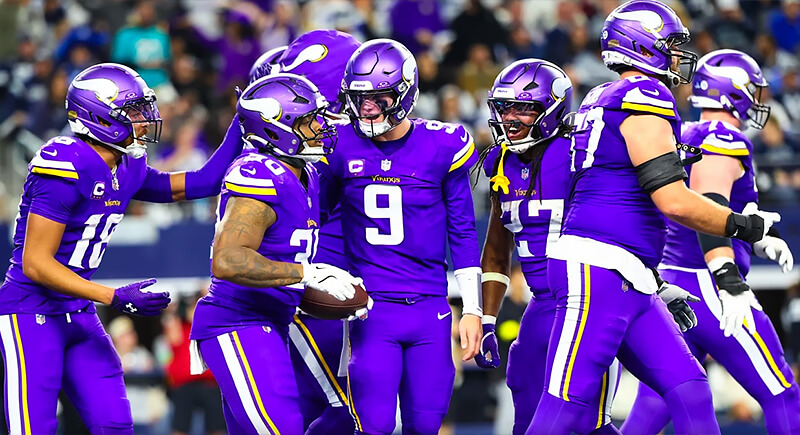
Minnesota’s defense rarely gives quarterbacks a clean picture before the snap. Under Brian Flores, pressure often appears late, with linebackers and safeties rotating into blitzes after the play starts. This forces young quarterbacks to speed up reads, abandon progressions, and settle for short throws or rushed decisions when protection breaks down.
Edge Rush Versus Pocket Trust
Credit: Instagram
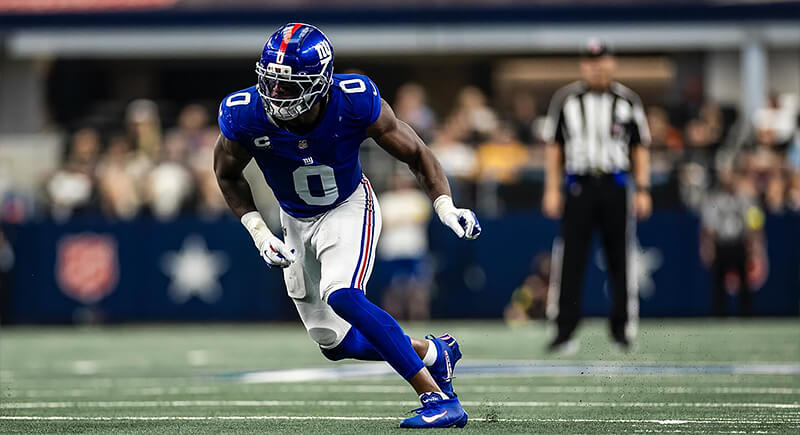
One matchup that doesn’t need buildup happens whenever Brian Burns lines up wide. His speed forces quarterbacks to climb the pocket sooner than they want to. Minnesota’s tackles are built for stability, not improvisation, so how clean the pocket stays affects timing on nearly every passing down.
Justin Jefferson Without the Numbers
Credit: Wikimedia Commons
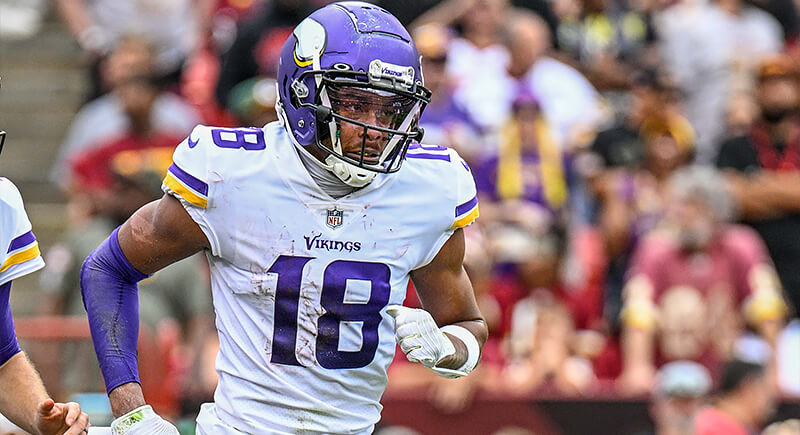
Defenses still build game plans around Justin Jefferson, even when his numbers stay modest. New York is likely to shade coverage his way, which changes how Minnesota distributes targets. On the other side, the Giants watch closely, knowing how much one adjustment can open space elsewhere and force reactive decisions snap to snap.
Field Position Adds Up
Credit: Instagram
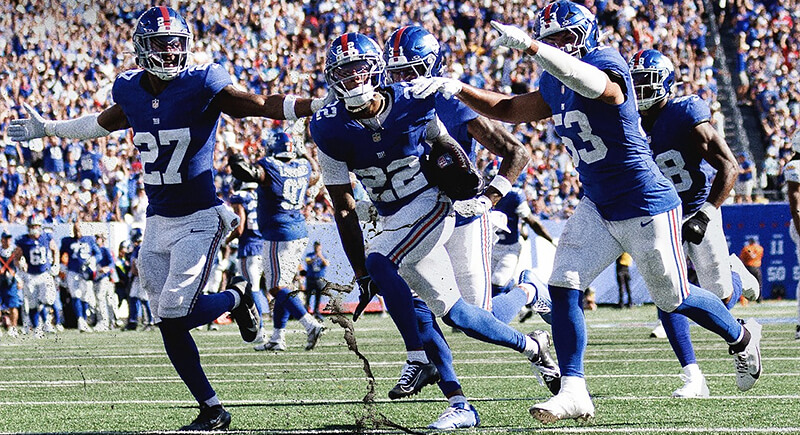
Field position plays a meaningful role late in the season. Minnesota benefits from steady work by its core specialists, which helps stabilize game flow and decision-making. For New York, disciplined coverage lanes and smart returns matter, since avoiding short fields can protect young quarterbacks and subtly shape play-calling momentum.
Weather Changes Decisions

Credit: Instagram
Late-season conditions at MetLife don’t usually stop games, but they do influence them. Wind matters more than temperature, especially on sideline throws and long kicks. Quarterbacks adjust trajectory, coordinators shorten routes, and kickers track flags constantly, all of which nudge decisions in subtle but meaningful ways.
Momentum Isn’t Even
Credit: Instagram
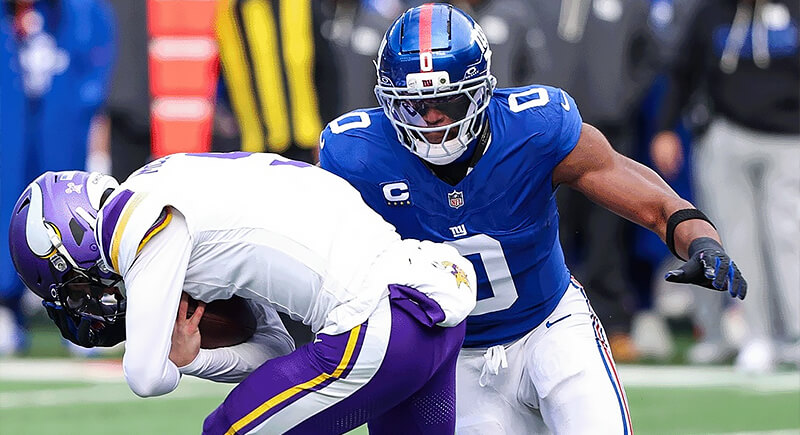
Minnesota is scoring more freely than it did earlier in the season, while New York is still searching for consistency on defense. The contrast affects confidence. Teams playing loosely tend to press for advantages. Teams still searching often play cautiously, and that difference is most evident in close moments.