
Three switch variations that keep help in the lane without giving up those clean pull-up threes.
The switch that stays connected to the ball
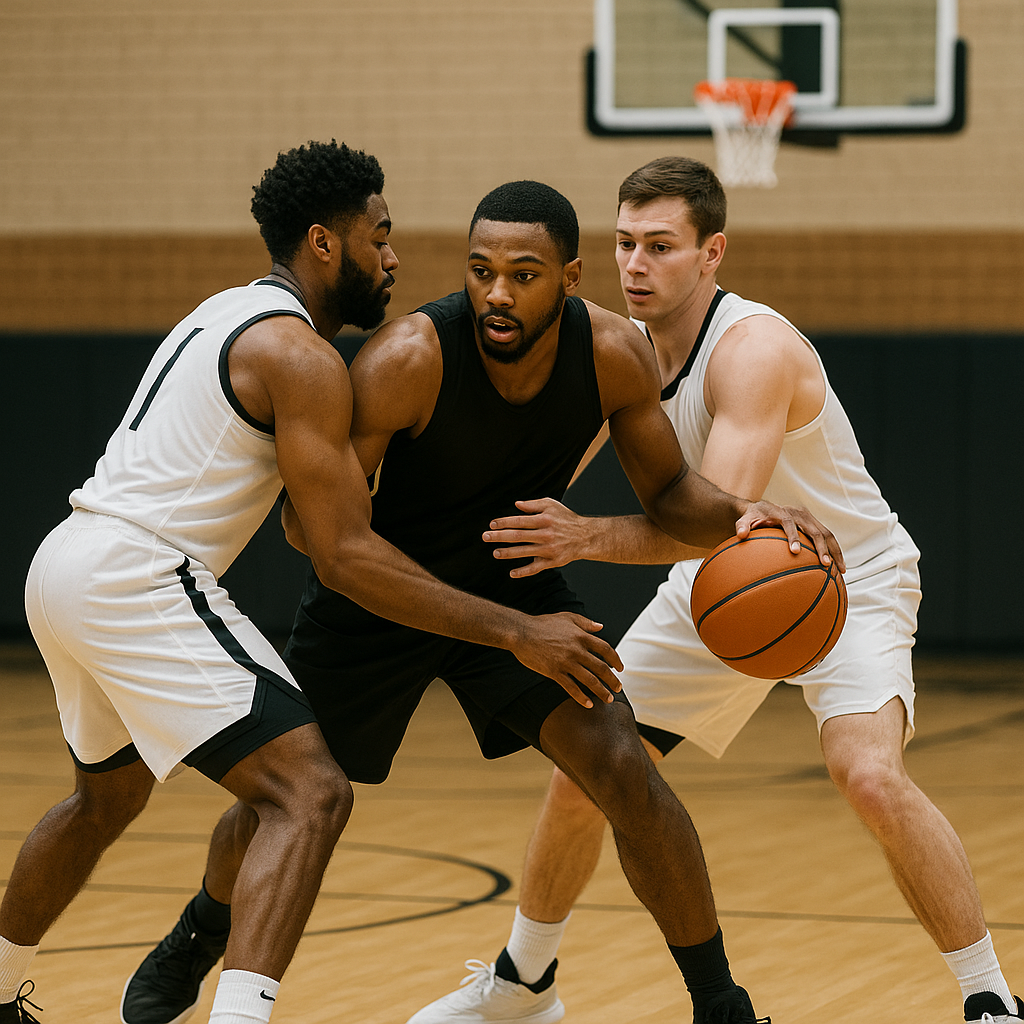
If the guard you’re facing lives off that one dribble into a pull-up, most switching problems start with a tiny spacing mistake. The on-ball defender feels the screen coming, backs up to avoid getting clipped, and suddenly the ballhandler is walking into air. You can’t “toughness” your way out of that. You have to switch closer to the ball than your instincts like.
Here’s the version I teach when we want to switch but we refuse to give up a rhythm three: the defender guarding the screener doesn’t drift into the lane to wait. They step up to the level of the screen early and park their chest where the ballhandler wants to turn the corner. Not in the ballhandler’s lap, but close enough that the dribble has to change pace. At the same time, the original on-ball defender doesn’t fade out to the sideline. They chase over the top and aim their body at the screener’s inside hip so they’re ready to take the roller instantly. The spacing cue I use is simple: on the catch, both defenders should be able to touch the screen with one hand. If you’re two steps off, you’re late.
What this does against aggressive scoring guards is buy you one beat of uncertainty without gambling. The guard sees the switch, but it doesn’t feel like a free runway. They try the split? There’s no gap. They try to reject? The first defender is still attached enough to steer it. And because the switch happened high and tight, your low help doesn’t have to over-sink, so you’re not begging the weakside wing to fly 18 feet to a shooter in the corner. It’s not fancy. It’s just two bodies close enough to the action that the guard can’t casually pick the better matchup and go right into their package.
Late switch: show long enough to kill the pull-up
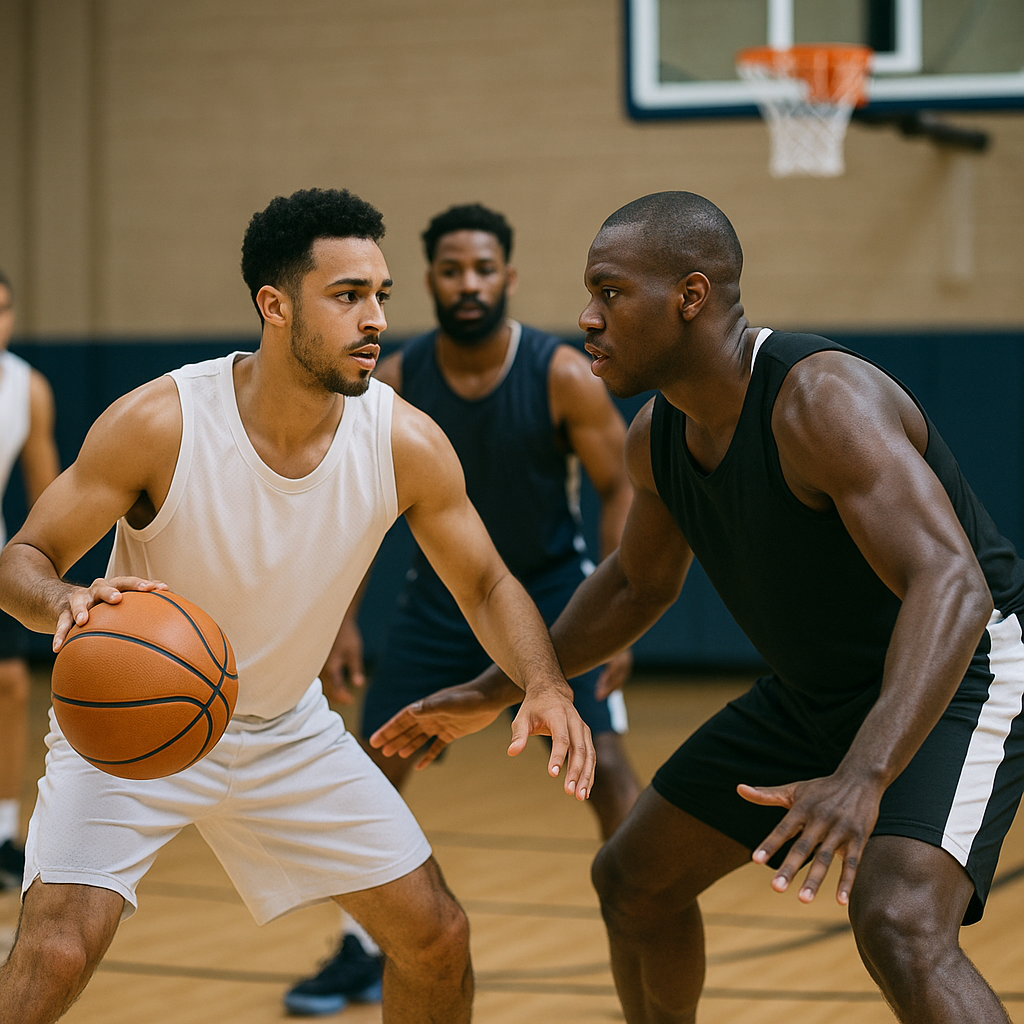
Some guards aren’t hunting the mismatch first. They’re hunting daylight. If you switch immediately, you sometimes hand them what they want: a clean read and a defender backpedaling. A late switch flips the script. You show them a body in front, make them hesitate, and only then trade matchups once the ball is less dangerous.
This is the version I lean on when the guard is coming off high ball screens with that quick stop-behind-the-screen pull-up. The screener’s defender “shows” at the level, square and loud, just long enough to remove the shot window. Two dribbles max. The on-ball defender fights over the screen, but instead of trying to win back to the front, they aim to get parallel with the guard’s outside shoulder. Once they’re there, you switch behind the play. Now the big is taking the ball, but it’s not at the peak of the advantage. The guard has already picked a side and usually burned their best separation move. The original on-ball defender peels onto the screener with inside position, so the roller isn’t catching behind them.
Spacing is the whole deal here. Your weakside low man can’t be glued to the paint like it’s 1998, because late switch often creates a short moment where the roller looks open and the corner looks open at the same time. I tell the weakside wing to stunt from the nail area with their feet pointed to the corner, not the rim. It’s a small stance change, but it keeps them from taking that one extra step down that makes the kick-out automatic. If you do it right, the guard feels like every option is half a second slower than usual. They’ll still get a shot sometimes, but it’s a shot they had to earn with extra dribbles, not the clean one they came to the screen for.
Scram switch out of the mismatch before the post-up starts
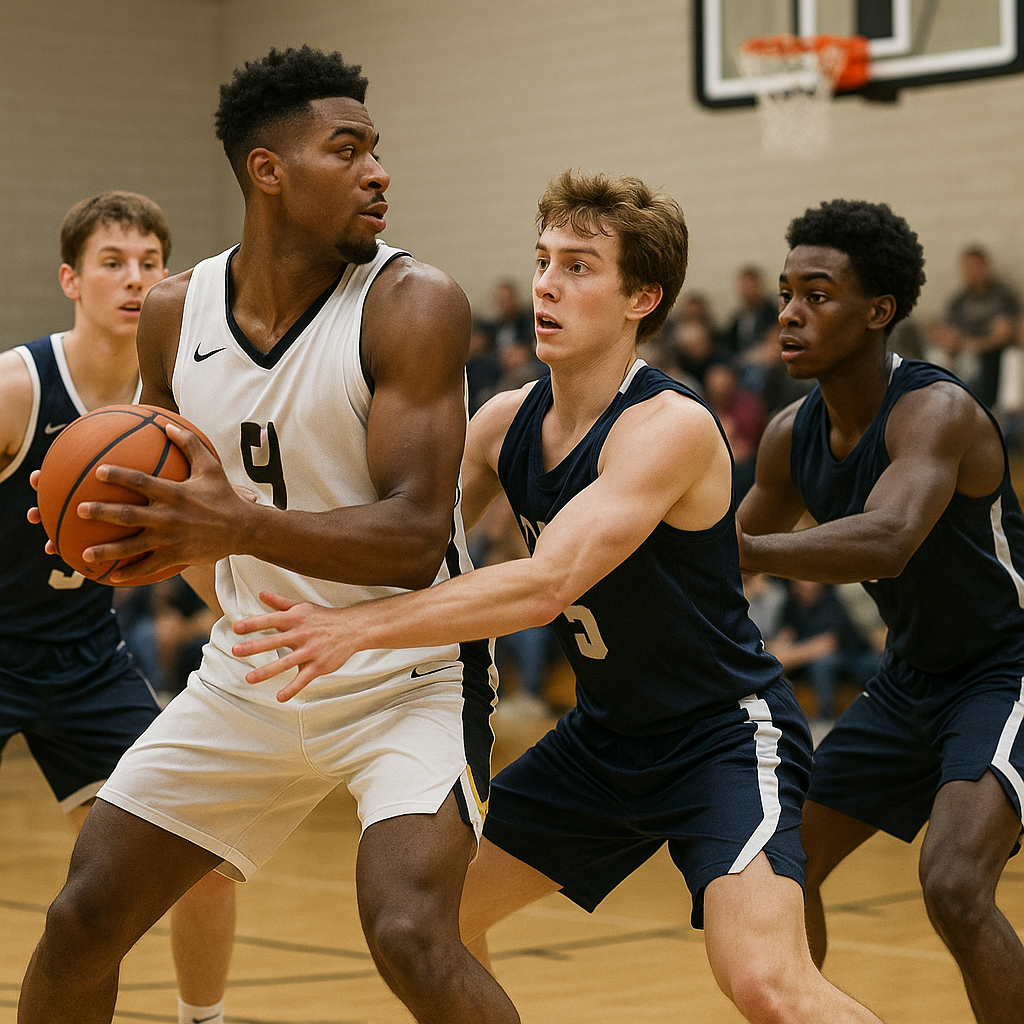
When people talk about switching versus a scoring guard, they usually mean the guard is the problem. But in a lot of high school and college games, the guard’s real goal is to force your smallest defender onto a big, then throw it to the block and let you panic. That’s where defensive spacing gets you options. If your help is spaced correctly, you can fix the mismatch without giving up a layup or a corner three, and you can do it fast enough that it looks like you meant to.
A scram switch is just a trade that happens off the ball. The moment your guard gets stuck on the roller or a short-roll big, you don’t wait for the entry pass. You fix it immediately, while the ball is still above the free throw line and everyone’s eyes are on the dribble. The closest same-side wing rotates down and takes the big, chest-to-chest, with forearm ready to feel the seal. Your small defender doesn’t wrestle. They sprint out to the wing’s original matchup. If you do it on time, the offense never gets that clean “duck in” target, because the big turns and sees a body they can’t just sit on.
The spacing detail most teams miss: the helper who takes the big can’t come from the strongside corner unless you love giving up corner threes. I want that scram helper coming from the slot or wing, and I want the low man staying low. That way, if the guard skips it to the corner, your low man is still in range to close with a high hand, and the new wing defender isn’t running 25 feet in panic. In practice I’ll stop it and point at the floor: if your scram helper starts below the block, you’re too deep. Start higher, and you have room to rotate without opening the easiest pass in the gym.
This is also where communication has to be blunt. I don’t need poetry. I need one word early, then movement. When it’s timed right, you’ll hear the crowd react to the guard’s “mismatch” and then… nothing happens. The post-up never arrives, the guard resets, and now you’re back to guarding a live scorer without carrying a second fire in the paint.