
Three switch calls I lean on when the ball keeps turning the corner: peel, scram, and late red.
Peel switch on the drive, not the screen
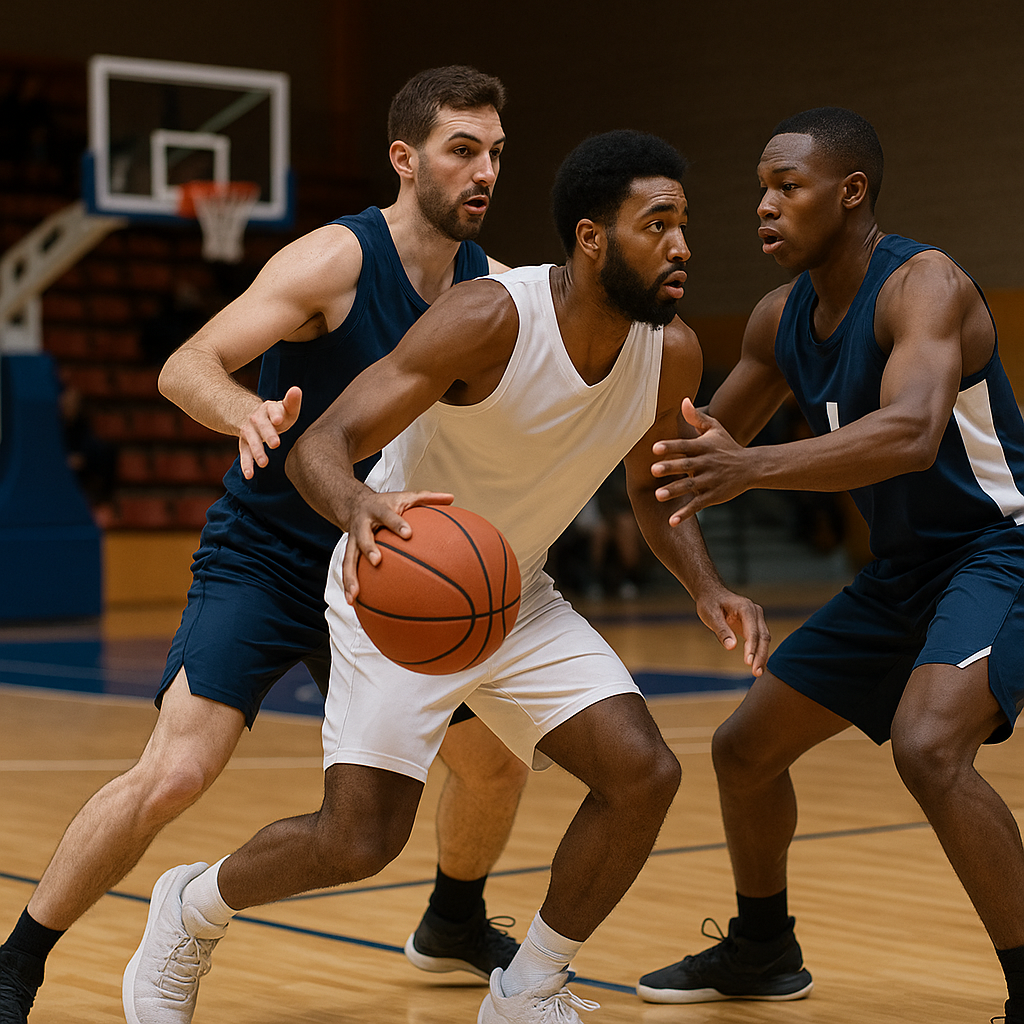
I used to call a lot of automatic switches and then wonder why we kept giving up layups that looked like warmups. The fix for us wasn't more switching, it was switching later. A peel switch happens after the ball beats the first defender and a second defender steps up to stop the drive. Instead of asking that helper to absorb a downhill guard and still recover back to a shooter, we trade jobs in the middle of the play.
Here's the exact moment: your point-of-attack defender gets clipped or just loses an angle, the ball is heading to the nail, and your nearest wing stunts in to wall it off. As the wing makes contact and forces the ball to pick up or veer, the original defender peels off the drive and takes the wing's assignment. The wing stays with the ball. No panic sprint back to the corner, no two guys reaching at the ball while a shooter stands alone.
The language matters because players won't do this on vibes. We keep it simple: the helper yells "peel" as he steps up, and the beat defender answers with the name of the shooter he's taking. If I hear "peel" with no echo, I know we're about to get that ugly half-help, half-recover thing where nobody's guarding anybody. The teaching point is footwork: the helper has to arrive on two feet and show a chest, not fly by trying to block a shot. You're not chasing a highlight. You're buying one dribble, maybe two, so the next rotation can be clean.
Where it protects the paint is obvious the first time it works: the driver sees a body, picks it up, and the kickout isn't free because the matchup already got sorted behind the play. Against teams that live on spread pick-and-roll, peel switching is the difference between we helped and "we helped and still gave up a corner 3."
Scram the big out before the post-up starts
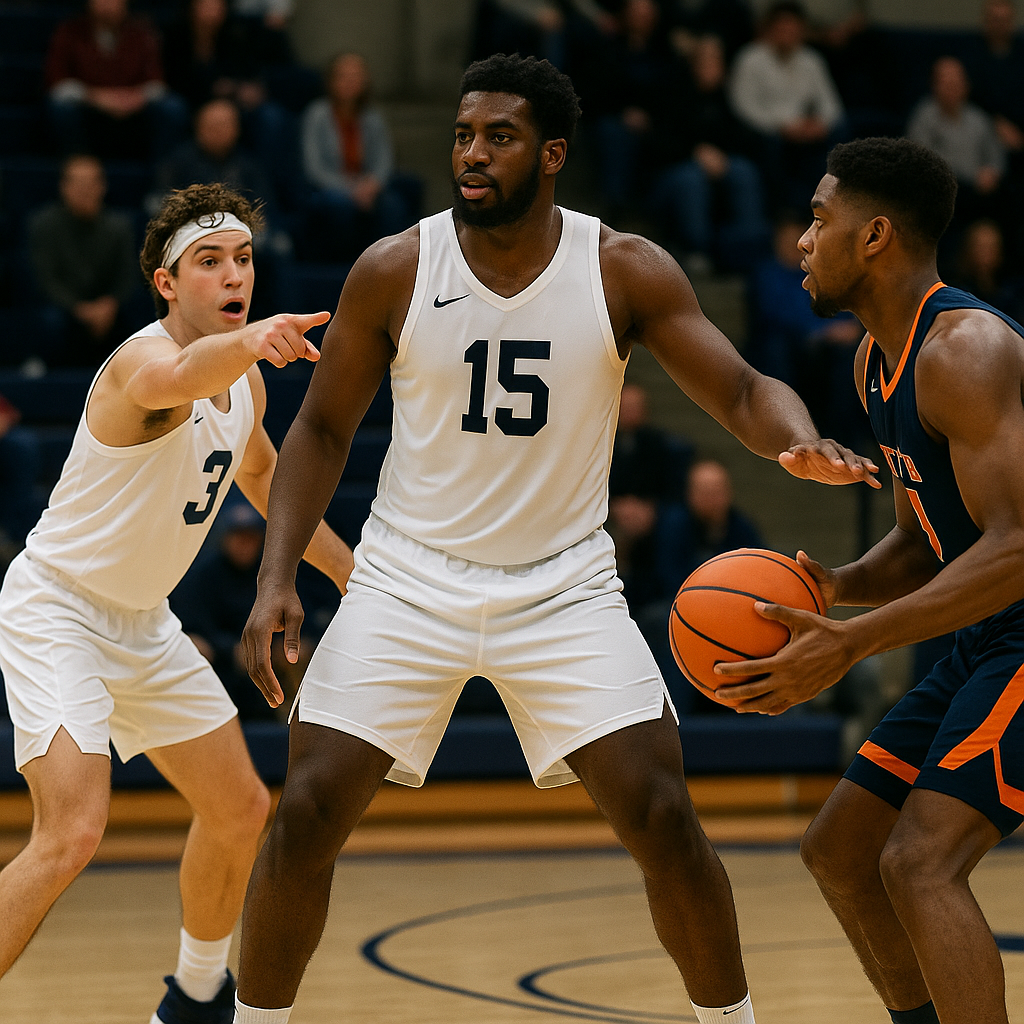
There are two kinds of switching possessions. The kind you plan for, and the kind where your 5 ends up guarding a guard on the wing and the other team starts pointing at him like it's a TV timeout. Scram switching is my answer when we do switch and I like the initial stop, but I hate what the matchup is about to become.
The timing is the whole deal. You don't wait until the guard dribbles into a post-up and your big has to decide between a soft foul or a layup. You scram on the catch, or even as the pass is in the air. As soon as the smaller player gets switched onto their big, the nearest perimeter defender (usually the one one pass away) sprints in and takes the big. Then the small who was in the post runs out to the perimeter and picks up that defender's man. It looks chaotic the first few reps. Then it starts to look like you meant it.
The thing I learned the hard way: you have to designate who is allowed to be the scrammer based on where the ball is. If the ball is on the wing and you're one pass away in the corner, you're the scram guy. If you're two passes away at the top, stay home. Players love to freelance this and you end up double-scramming, which is just a long way of saying you left a shooter. We drill it with a shot clock on the scoreboard and one rule: the scram is a sprint, not a jog, and it ends with a loud call. I don't care if the call is scram or take him as long as it happens early enough that the big being rescued doesn't have to wrestle for three seconds.
It protects the paint in a quieter way than a block or a charge. Your rim protector stays near the rim, your guards aren't stuck fronting the post from behind, and you stop gifting those deep seals that lead to free throws. When we're playing a team that loves to hunt mismatches out of ball screens, scram switching lets us keep switching the action but refuse the part that usually gets you beat.
Late red on the empty-corner ball screen
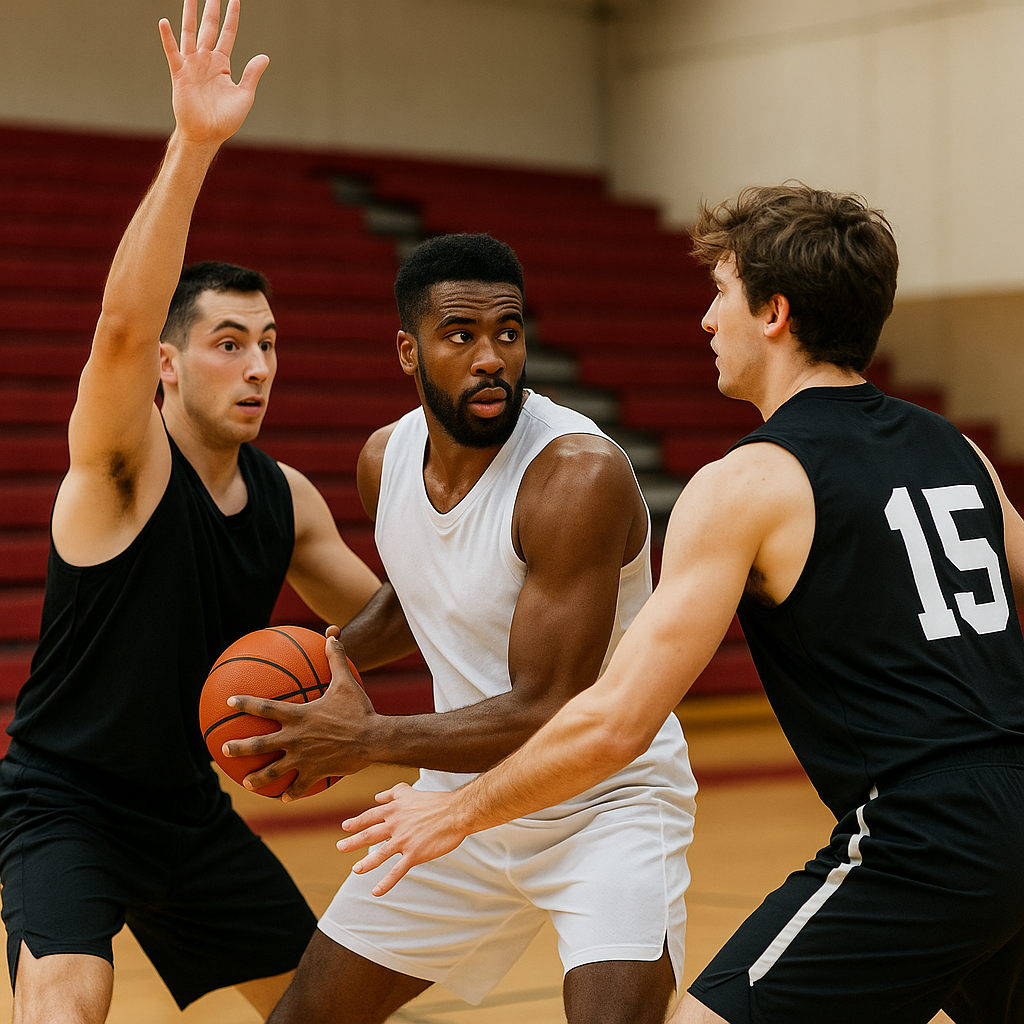
If you're giving up rim attempts and you keep telling yourself, We'll just help more, an empty-corner ball screen will cure you of that optimism in about three possessions. Offenses clear a side for a reason: there isn't a corner defender to tag the roll, and your low man is suddenly two steps farther away than he wants to admit. This is where I like a late red, which is basically a planned switch that happens after the screen, not during it.
We start in our normal coverage. The big shows enough to keep the ball from turning the corner clean, and the guard fights to recover. The offense thinks it's about to get the same downhill advantage it gets on every empty-side action. Then, as the guard gets back in front, we switch anyway. The big takes the ball late, and the guard peels onto the roller. It sounds backwards until you see why it works: the switch happens after you've stalled the drive and after you've made the roller hesitate. You're not switching into the hardest part. You're switching after you made it smaller.
Two details make it live. First, the guard has to sprint out of the screen with his hands high so the ball handler can't immediately rise up for that pocket pull-up. Second, the big can't retreat on the show like he's backing away from a campfire. One strong step out, chest square, then be ready to slide with the ball when the late switch hits. We call it red because it's a stop sign, not because it's fancy.
This isn't a magic answer for every five-out team. If the ball handler is a high-level shooter, you have to be honest about how much you can show before you're giving up a rhythm 3. But for a lot of high school and college actions, late red is a clean way to keep bodies between the ball and the rim without asking your weakside defenders to perform a full-time juggling act. When you nail it, the ball gets pushed sideways, the roll is covered by a guard who's already attached, and the paint stays crowded in the exact window where teams want it empty.