10 NBA Players Who Are Secretly Geniuses
Elite basketball has always rewarded players who process the game faster than everyone else, and history shows the smartest players often control championships and locker rooms. Coaches track decision-making because turnovers and shot quality directly affect wins. The following players built reputations through classroom success and advanced game study, and each story shows how intelligence shapes careers overall.
LeBron James
Credit: Wikimedia Commons
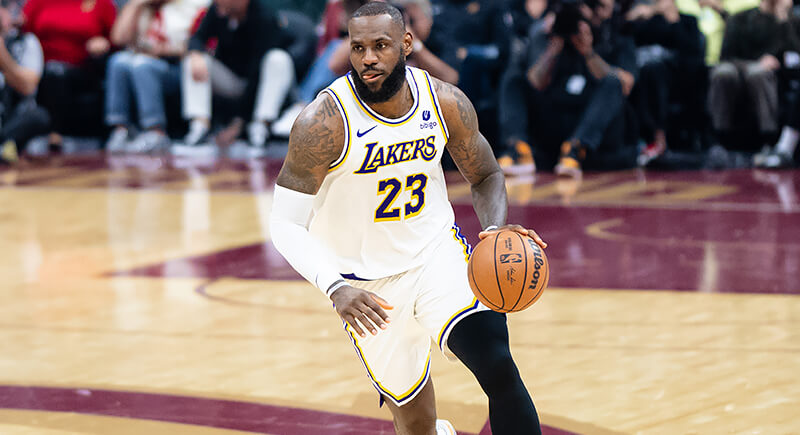
LeBron James calls out opponent plays before they develop. Film study habits allowed him to run offenses for three championship franchises. He won four MVP awards and four Finals MVPs during a 20-season span. Coaches trusted him guarding every position because he reads spacing instantly and adjusts rotations during live possessions under pressure situations nightly.
Nikola Jokic
Credit: Wikimedia Commons
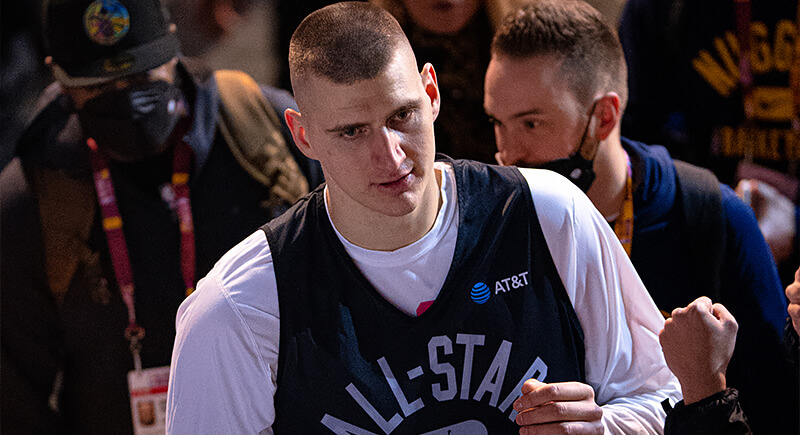
Nikola Jokić reads the floor a step ahead of most defenders. His back-to-back MVP seasons came from directing Denver’s offense as a center, a role that usually does not carry that responsibility. He scores and creates from multiple spots, including the high post, the low block, and the perimeter. Teammates move with confidence because his passes arrive on time and on target, especially in late-game situations where possession value matters most.
Stephen Curry
Credit: Wikimedia Commons
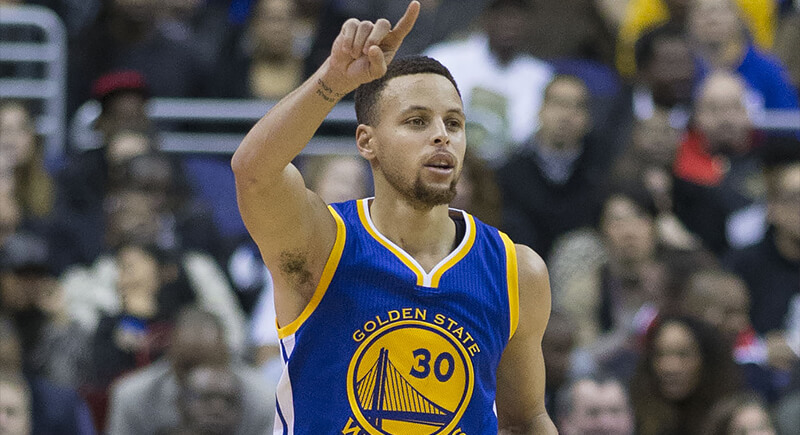
Becoming the greatest three-point shooter in NBA history required elite knowledge of shot selection. Stephen Curry never wastes movement in offensive sets, constantly forcing defenders to chase him. His off-ball routes create space measured in inches. When shots miss, he attacks the paint or finds teammates, which keeps Golden State’s offense efficient during cold stretches and late-game scoring droughts.
Luka Doncic
Credit: Instagram
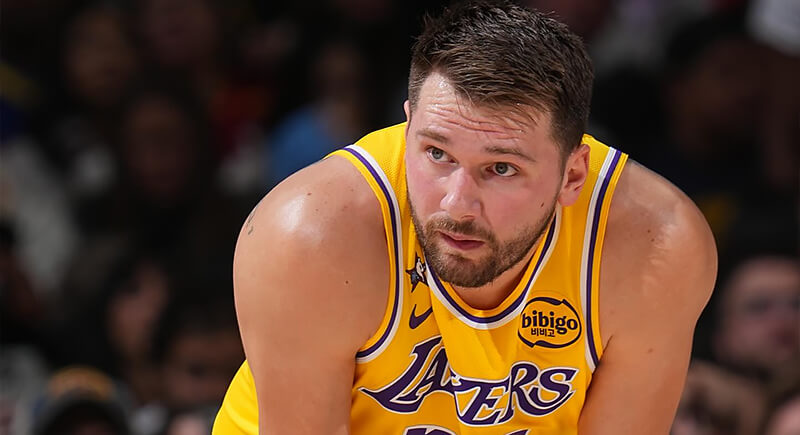
Dallas runs its offense through its decision-making on most possessions. Tempo shifts immediately once Luka Doncic brings the ball across half-court. Pick-and-roll actions slow down because he studies defenders before attacking. Coaches allow that control because he repeatedly produces efficient scoring chances and accurate passes during heavy defensive pressure in late playoff fourth-quarter situations.
Draymond Green
Credit: Instagram
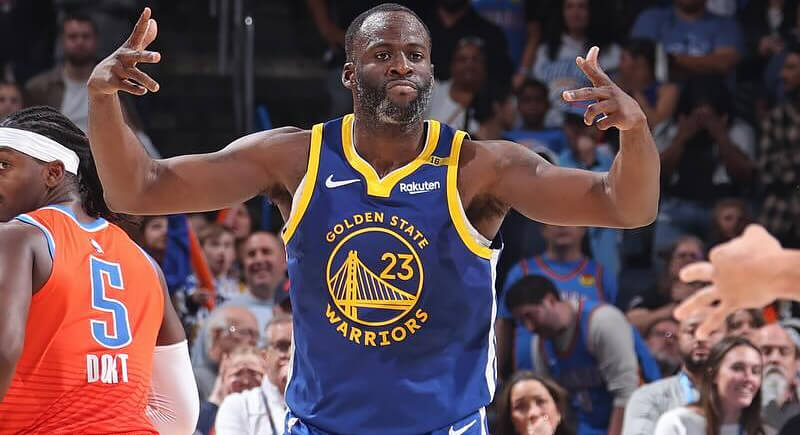
Whenever Draymond Green starts calling coverages loudly, Golden State’s defense organizes itself. Their four championships since 2015 reflect the value of his communication. Offensively, he triggers actions that create open shots for teammates. He anticipates opponent sets early and directs teammates to the correct help positions, which consistently reduces breakdowns during high-speed playoff possessions against elite scoring stars in late games.
Chris Paul
Credit: Wikimedia Commons
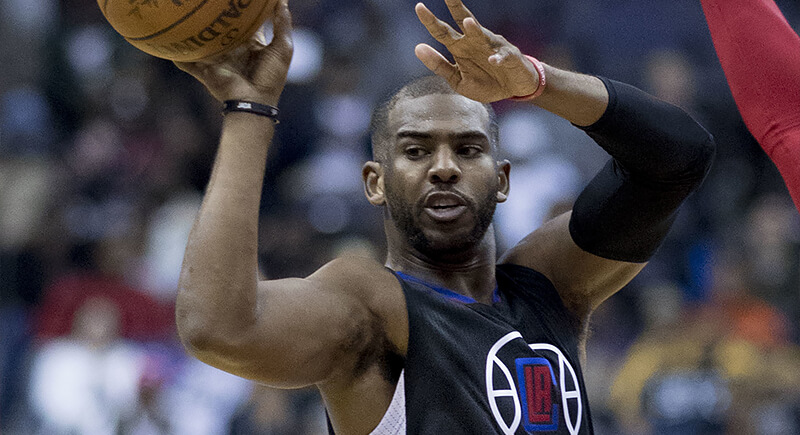
Teams historically improve after adding him because he raises teammates’ shot quality. That’s the kind of smarts Chris Paul has, with half-court offenses becoming structured quickly when he controls the ball. He manipulates defenders with pace changes and the timing of his passes.
James Harden
Credit: Wikimedia Commons
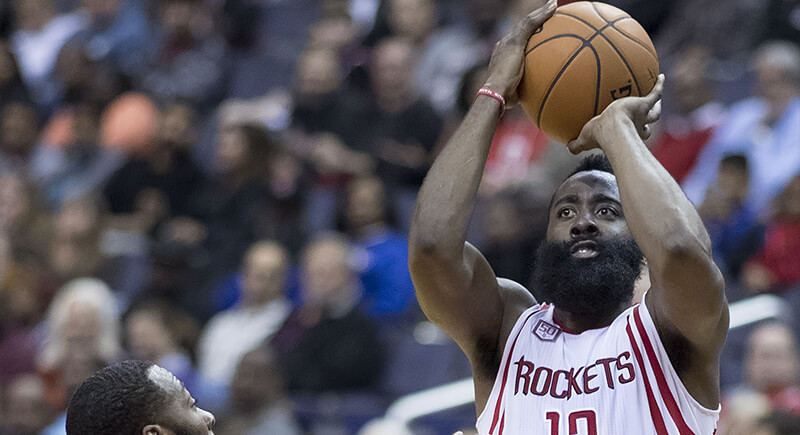
James Harden’s ability to read defensive reactions allows him to create efficient offense without forcing difficult contested shots in late-clock situations during playoff drives. Rule changes forced him to adjust his approach to defenders. He responded by becoming the NBA assist leader in 2022-23 with 10.7 per game, and Philadelphia relied on him to set the scoring tempo alongside Joel Embiid.
Kawhi Leonard
Credit: Instagram
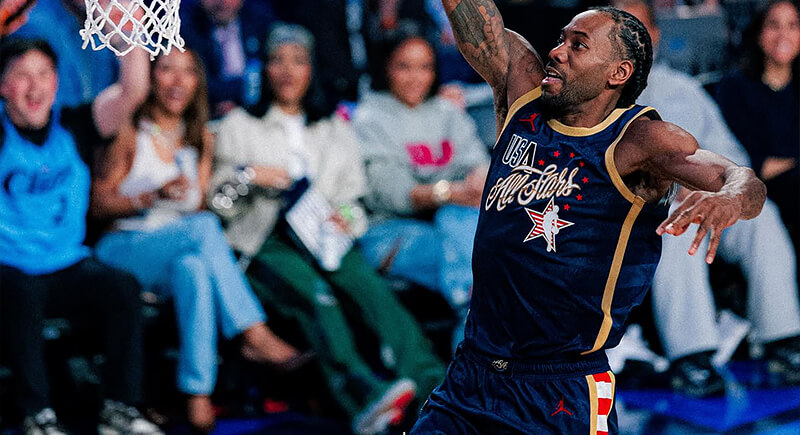
With the way Kawhi Leonard tracked passing lanes early, opponents struggled to create clean looks. He won Defensive Player of the Year twice through anticipation and positioning. Honor roll academic history reflects disciplined preparation habits. In the 2014 Finals, he forced poor decisions from LeBron James and helped San Antonio secure the championship series victory over a strong Miami roster.
Jaylen Brown
Credit: Wikimedia Commons
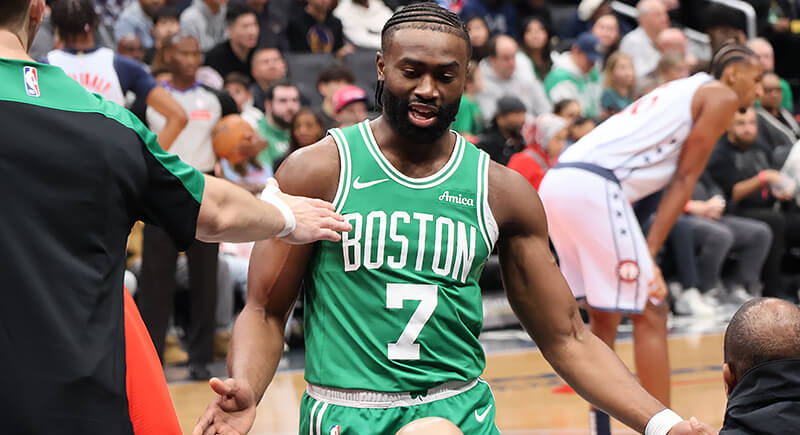
Academic ambition surprised scouts when Jaylen Brown selected the University of California. He joined the Berkeley chess team while playing college basketball. Graduate-level courses filled his academic schedule during his freshman year. Philosophy and ancient history studies continued while he built an NBA career with Boston and remained active in education discussions through league community programs and speaking events.
Chris Bosh
Credit: Wikimedia Commons
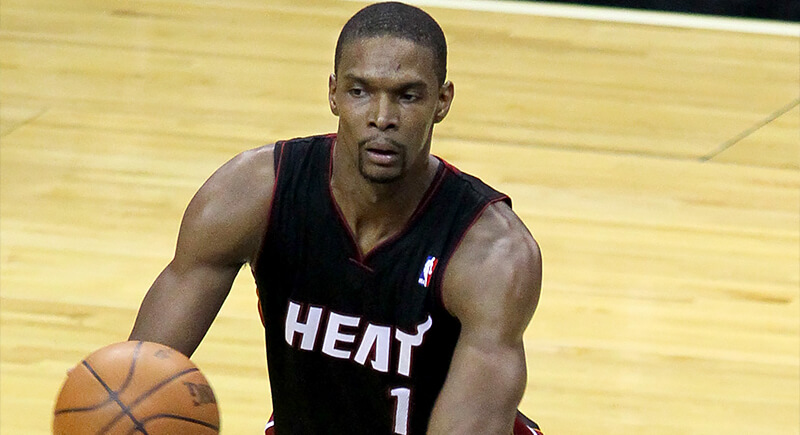
Tech interests filled Chris Bosh’s free time while he competed for championships. Admission to Georgia Tech required strong academic performance, so he spent time learning computer programming concepts outside the basketball season. Membership in engineering organizations connected him with technical communities while he maintained an All-Star-level NBA career for years across multiple teams during long stretches of his overall professional career.