Phil Garner Hit .500 in the 1979 World Series and Almost Nobody Remembers — Looking Back at the ‘We Are Family’ Pirates
The 1979 Pittsburgh Pirates have an interesting place in baseball history. People remember the team’s “We Are Family” slogan, the black-and-gold uniforms, and the larger-than-life personalities attached to the roster. Still, many of the actual details behind that championship season have faded over time. One of the clearest examples is Phil Garner hitting .500 against Baltimore across seven games, which should place him permanently in the conversation about legendary postseason performances.
Instead, the achievement barely surfaces outside older baseball circles. This disconnect says a lot about the Pirates themselves. The roster carried star power, swagger, drama, cultural significance, and one of the most memorable identities any baseball team has ever built. But the passage of time turned much of the individual stories into scattered memories.
Phil Garner Hit .500 in the 1979 World Series and Still Got Overshadowed
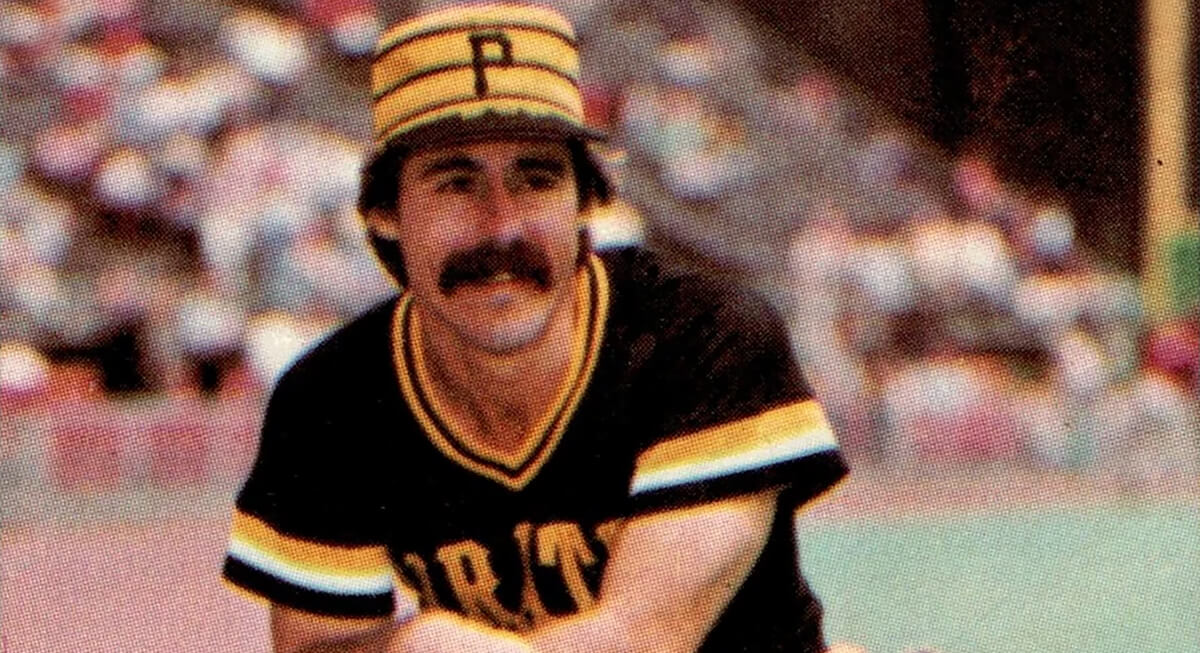
Credit: ebay
A .500 batting average across a seven-game World Series should be permanent baseball folklore. Garner collected 12 hits in 24 at-bats against Baltimore and kept producing in critical moments throughout the series. It’s likely not really talked about partly because of the roster around him. The 1979 Pirates had louder personalities, bigger Hall of Fame resumes, and a clubhouse identity that pulled attention in multiple directions at once. Garner fit the team perfectly because he played with the same hard-edged style that defined Pittsburgh that season. The strange part is how quickly that production faded from mainstream baseball memory afterward.
The “We Are Family” Theme Started as a Clubhouse Joke
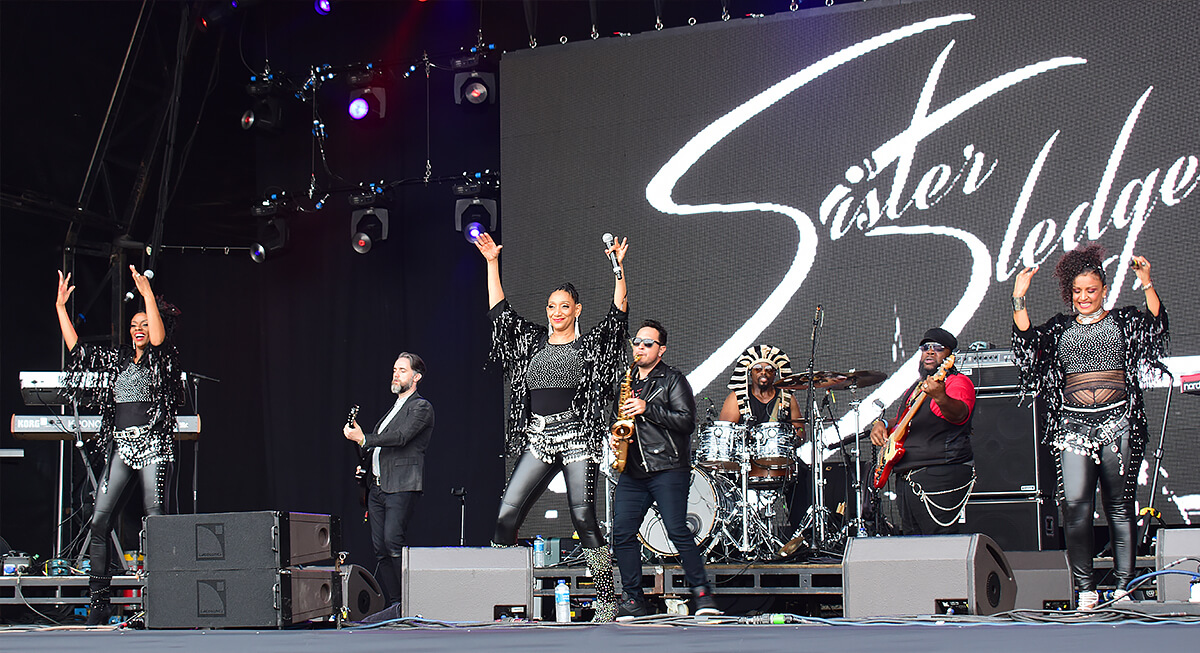
Credit: Wikimedia Commons
The Pirates did not begin the season trying to create their historical team identity. We Are Family by Sister Sledge started circulating casually inside the clubhouse before players embraced it fully. Soon, the song followed the team everywhere. Fans sang it at Three Rivers Stadium, national broadcasts referenced it constantly, and the Pirates leaned into the identity during their postseason run. Even decades later, mentioning the 1979 Pirates still brings the song into conversation almost immediately.
Willie Stargell Became the Emotional Center of the Entire Franchise at Age 39
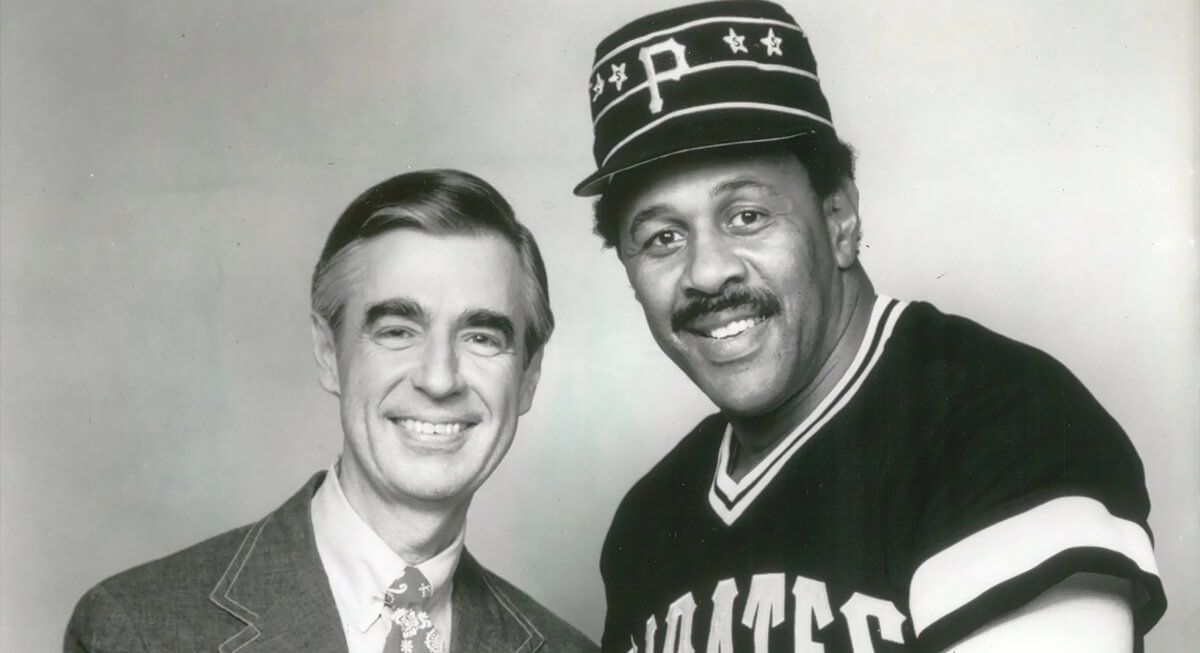
Credit: Wikimedia Commons
Stargell was closer to the end of his career during this World Series, and the Pirates revolved around him emotionally. Younger players viewed him as a stabilizing presence inside the clubhouse. He handed out custom “Stargell Stars” for strong performances and built relationships across strong personalities and different backgrounds. His production still mattered on the field, but leadership became just as important by that stage of his career. The postseason elevated that reputation further. Stargell won both NLCS MVP and World Series MVP while turning 39 years old during the season.
The Pirates Came Back From a 3–1 Deficit Against a 102-Win Orioles Team
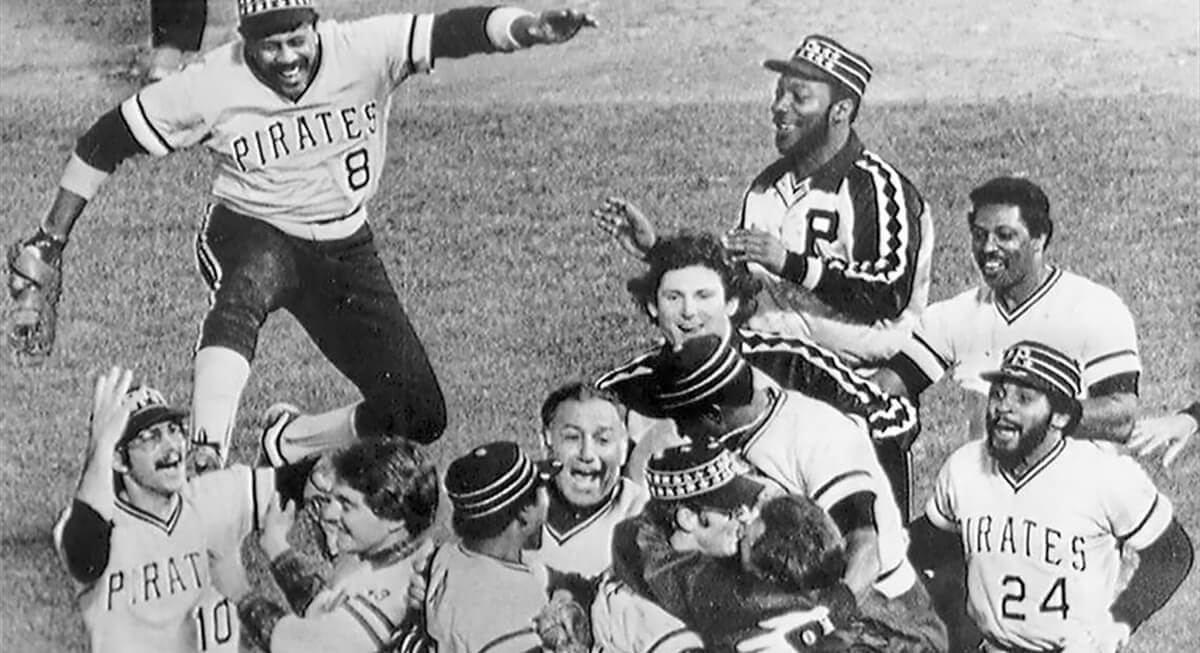
Credit: Pittsburgh Post-Gazette
The Orioles entered with 102 wins, dominant pitching, and home-field advantage. Baltimore also pushed Pittsburgh to the edge by taking a 3–1 series lead. At that point, the Pirates looked finished. Instead, Pittsburgh responded with three straight wins. The comeback established that the Pirates were not just underdogs surviving on momentum. Several players contributed major moments during the turnaround.
The Roster Brought Together a Rare Baseball Mix
Credit: ebay
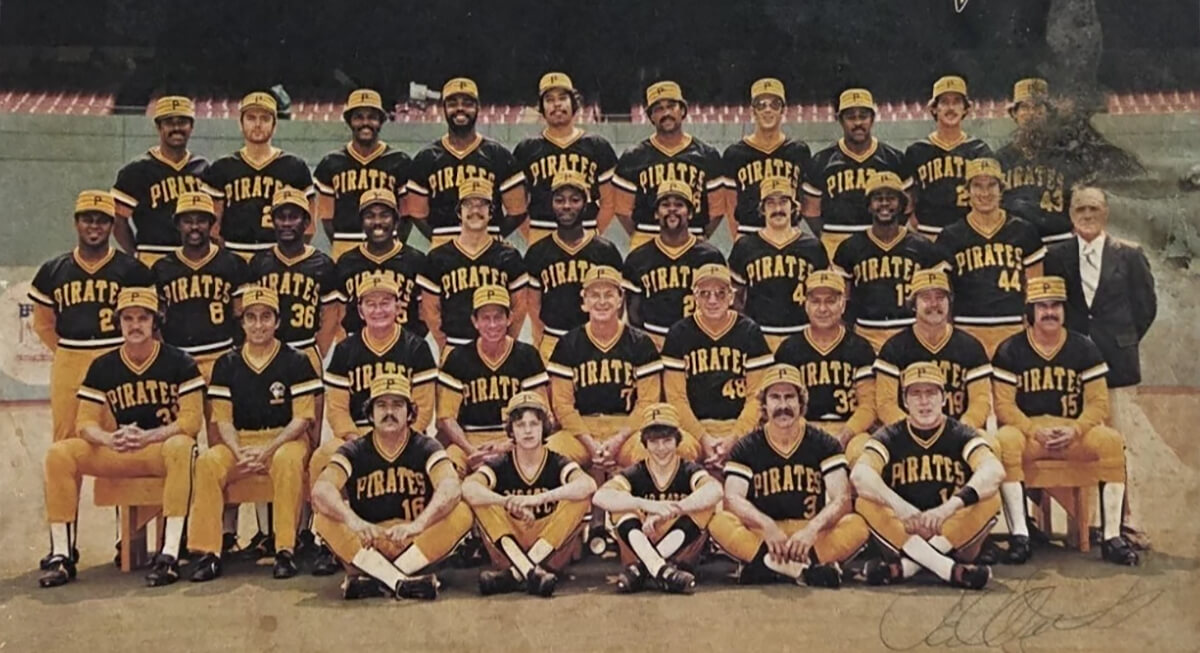
The 1979 Pirates had a broader range of backgrounds than many baseball teams of that era. The roster included Black stars, Latin American players, veteran leaders, younger contributors, and outspoken personalities who together shaped the clubhouse culture. Pittsburgh had already made history in 1971 by fielding MLB’s first all-Black and Latino starting lineup. Players like Omar Moreno and Manny Sanguillén added international presence while figures like Stargell and Dave Parker were known nationally. The chemistry helped promote the “We Are Family” identity.
Kent Tekulve Was Not a Typical Late-1970s Baseball Star
Credit: Wikimedia Commons
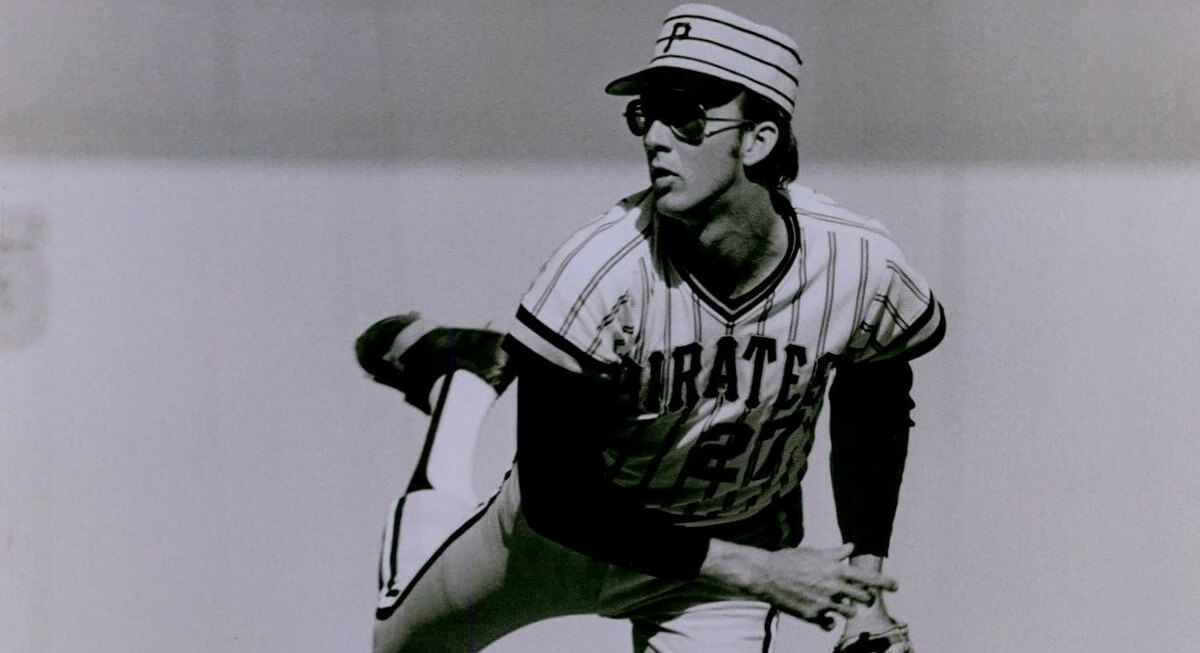
Tekulve stood out immediately because baseball during that era still leaned heavily toward intimidating physical presence. His thin frame, unusual sidearm delivery, and heavy glasses made him look more like an accountant than a relief pitcher trusted in high-pressure postseason situations. Tekulve threw 94 regular-season games in 1979 and became one of Pittsburgh’s most dependable bullpen arms during the championship run. His delivery created uncomfortable angles that disrupted hitters even when his velocity did not overpower them.
Dave Parker Played Like a Superstar While Turning Himself Into a National Celebrity
Credit: ebay
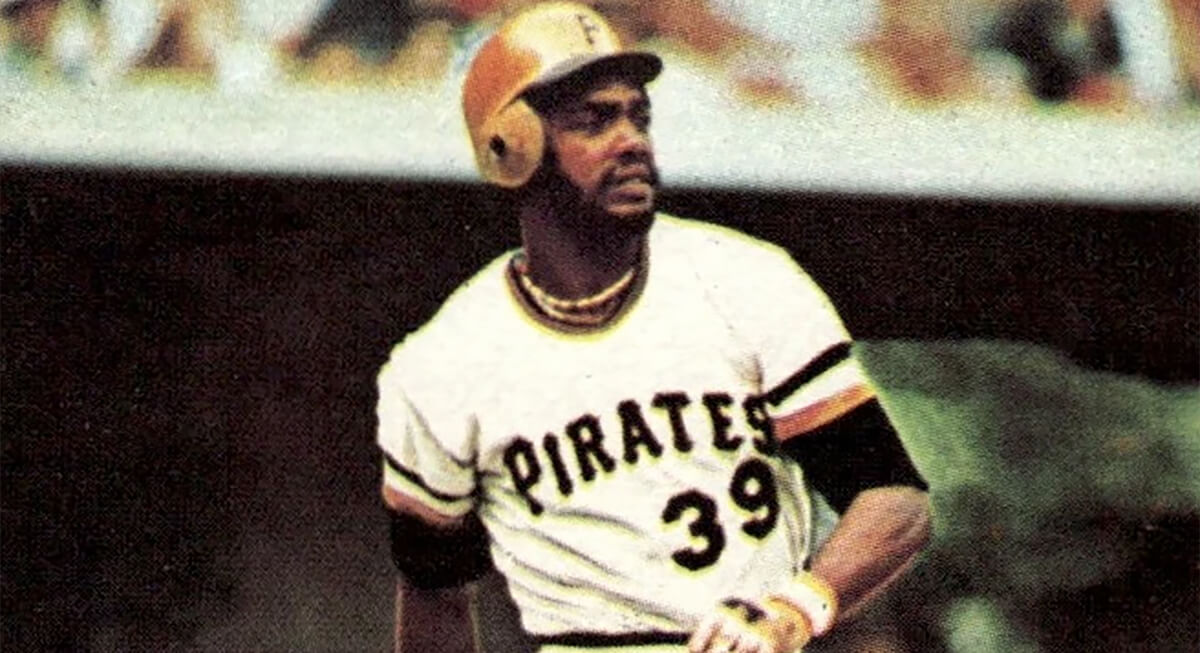
By 1979, Dave Parker already had MVP credentials. Injuries limited parts of his season, but his presence still shaped how people viewed the Pirates nationally. Parker dressed and spoke confidently, and carried himself like a star. This was before athletes regularly built personal brands publicly. Opposing fans respected him while simultaneously viewing him as arrogant. Pittsburgh embraced that energy completely.
The Pirates Wore Four Different Uniform Combinations During the World Series

Credit: ebay
Pittsburgh rotated between multiple jersey combinations during the World Series. They mixed pullover styles, striped caps, gold pants, and black variations throughout. Baseball uniforms during that decade were already colorful, but the Pirates pushed things further than most franchises. The constant changes matched the personality surrounding the team itself. Those uniforms later became heavily associated with late-1970s baseball culture as a whole. People still recognize the black-and-gold look.
Pittsburgh Won the World Series and Super Bowl During the Same Sports Year
Credit: Pittsburgh Steelers
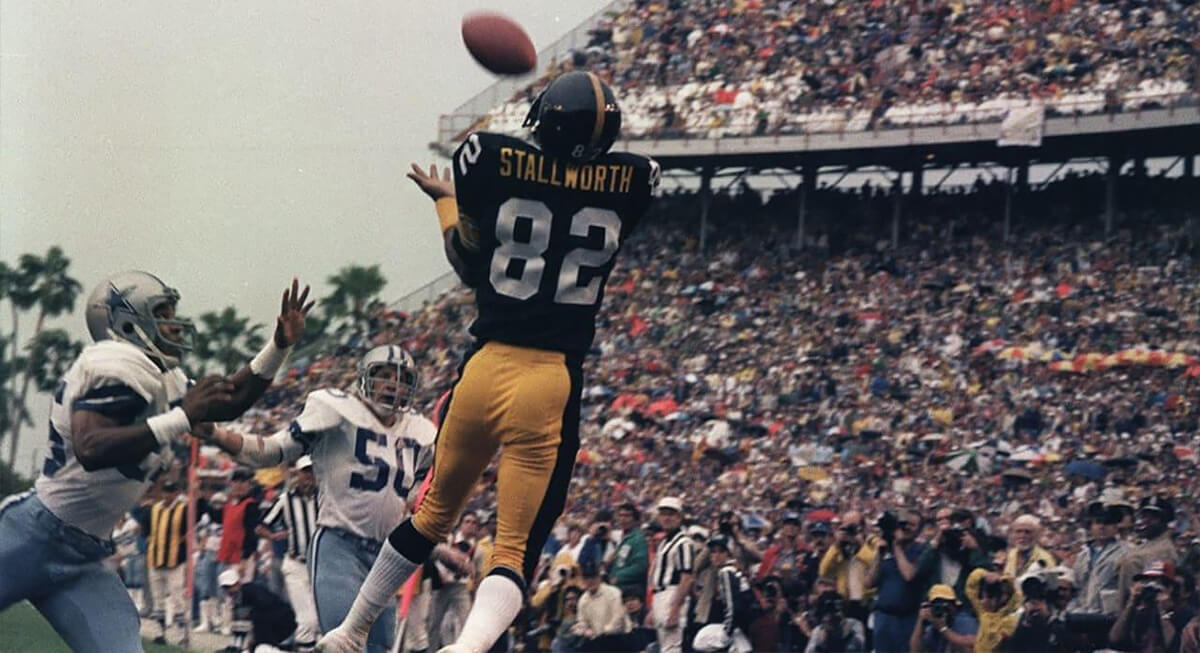
The Pirates won the World Series while the Pittsburgh Steelers captured another Super Bowl during the same sports year. The overlap intensified the city’s identity around black-and-gold teams and blue-collar confidence. Nationally, Pittsburgh became associated with toughness, championships, and loud fan support across multiple sports simultaneously. Both teams had strong personalities. The city’s sports culture fed directly into the atmosphere surrounding the Pirates during the postseason.
The Championship Became the Last Great Peak Before the Pirates Slipped Into Decades of Irrelevance
Credit: MLB
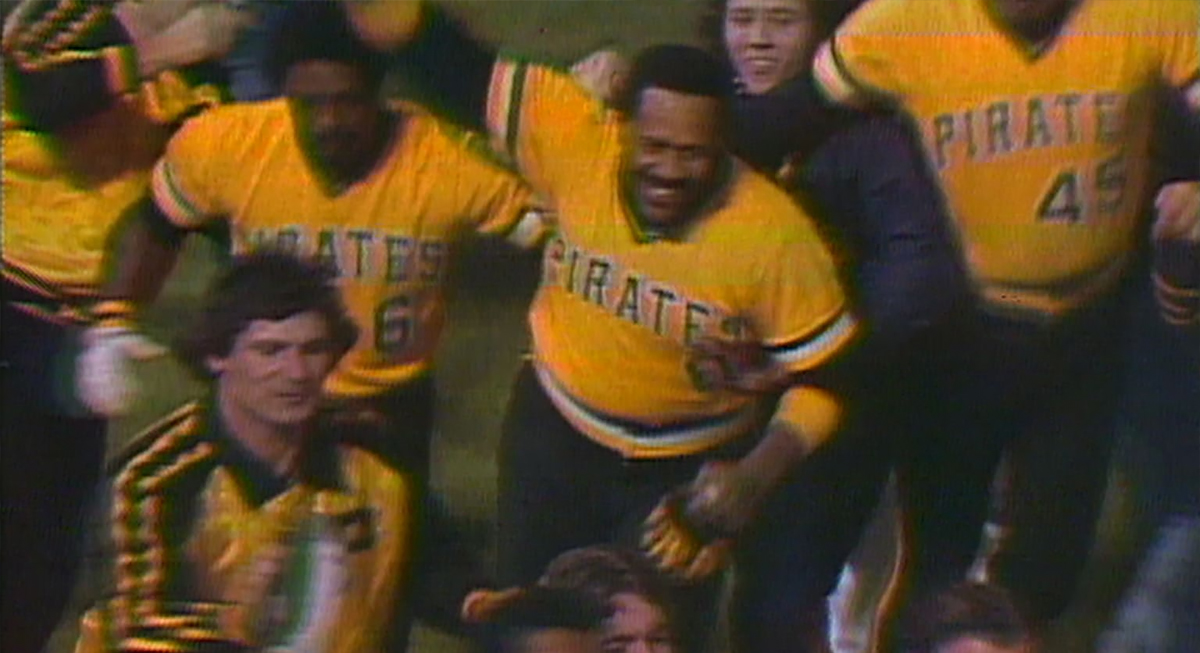
No one would have imagined how sharply the franchise would decline after the 1979 title. Pittsburgh remained competitive briefly in the early 1990s, but the organization later fell into a long losing streak that changed how people remembered the “We Are Family” team. The distance between 1979 and the franchise’s later struggles also explains why players from that roster sometimes feel strangely forgotten outside Pittsburgh itself.