The Incredible Story Behind the First Perfect Ten in Olympic History
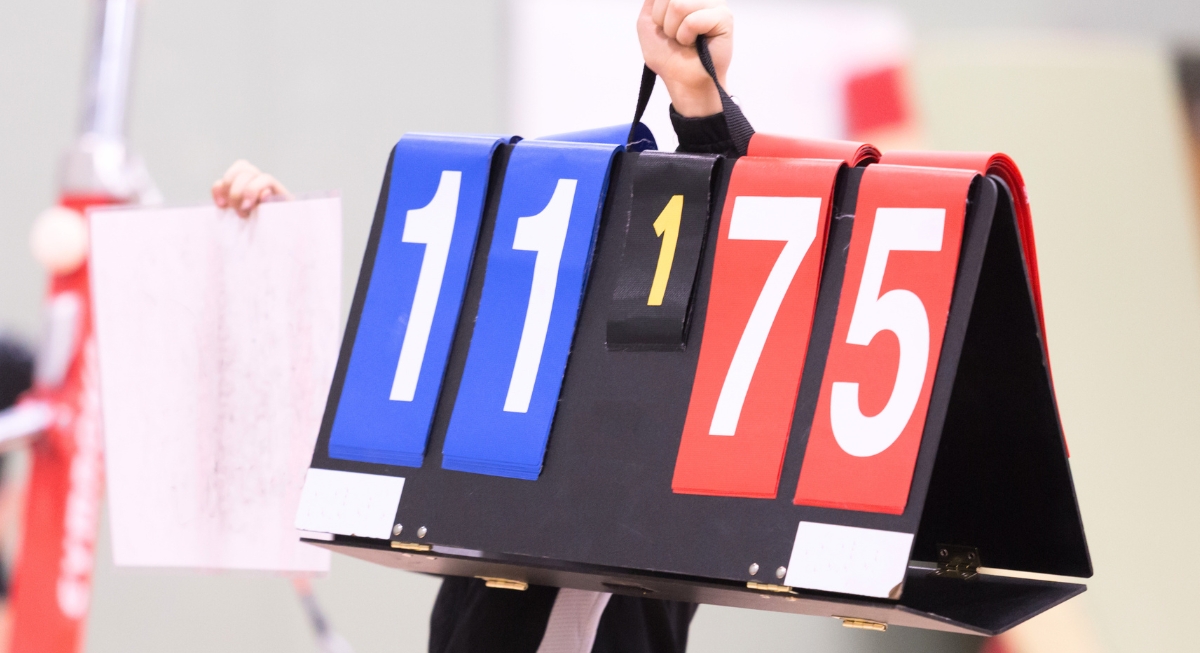
The scoreboard flashed “1.00” at the 1976 Olympics. Most fans thought the judges made a mistake. In reality, a young girl performed a routine so perfect that the computer simply broke. It wasn’t built to show a 10.0 score. In that moment, the audience realized human talent could officially outpace the machines. The odd little number turned into one of the biggest moments in gymnastics history.
The Scoreboard That Couldn’t Keep Up
Credit: iStockphoto
The scoreboards at the Olympics only had room for three digits. Nobody expected a perfect 10 back then. When Nadia Comăneci nailed her routine, the screen flashed a strange “1.00” instead. The crowd sat in silence while the judges figured out the mess. Once everyone realized she actually earned a flawless score, the stadium exploded with cheers.
A Routine With Nothing To Fix
Credit: Getty Images
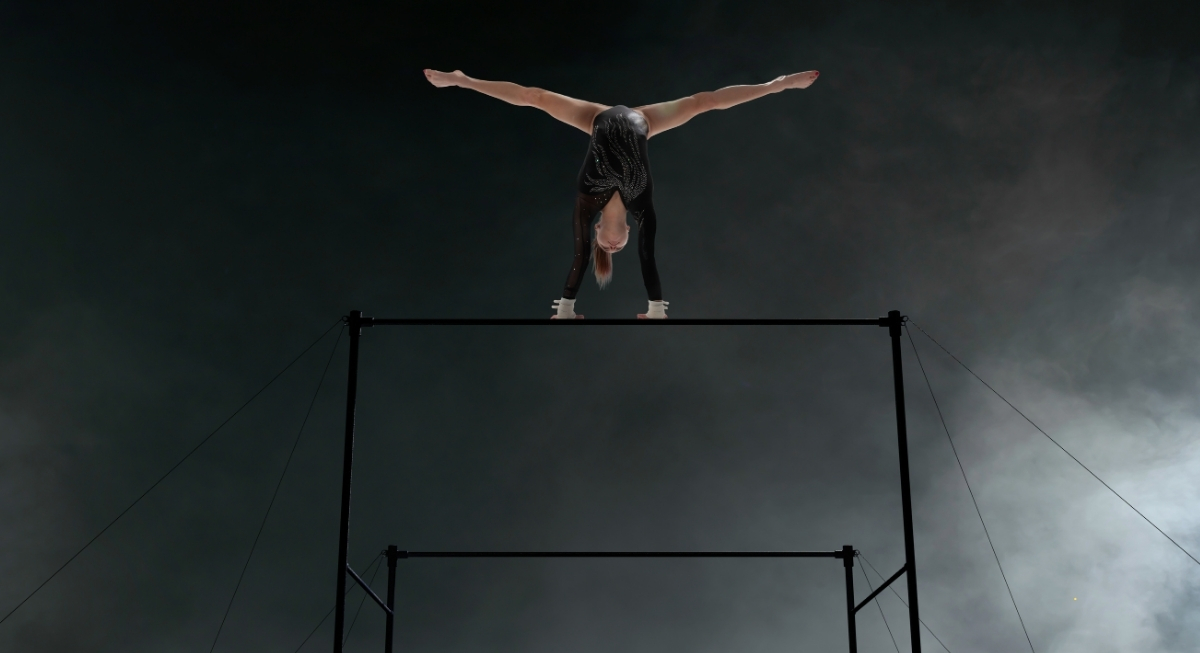
Gymnastics judging depends on finding small flaws, such as a slight bend, a late transition, or a tiny imbalance. Nadia’s uneven bars run didn’t have any of that. She maintained a steady pace, but every movement landed where it should. Even as the judges reviewed her performance with the same standards they always used, they couldn’t take anything away.
The Pressure Behind The Precision
Credit: Canva
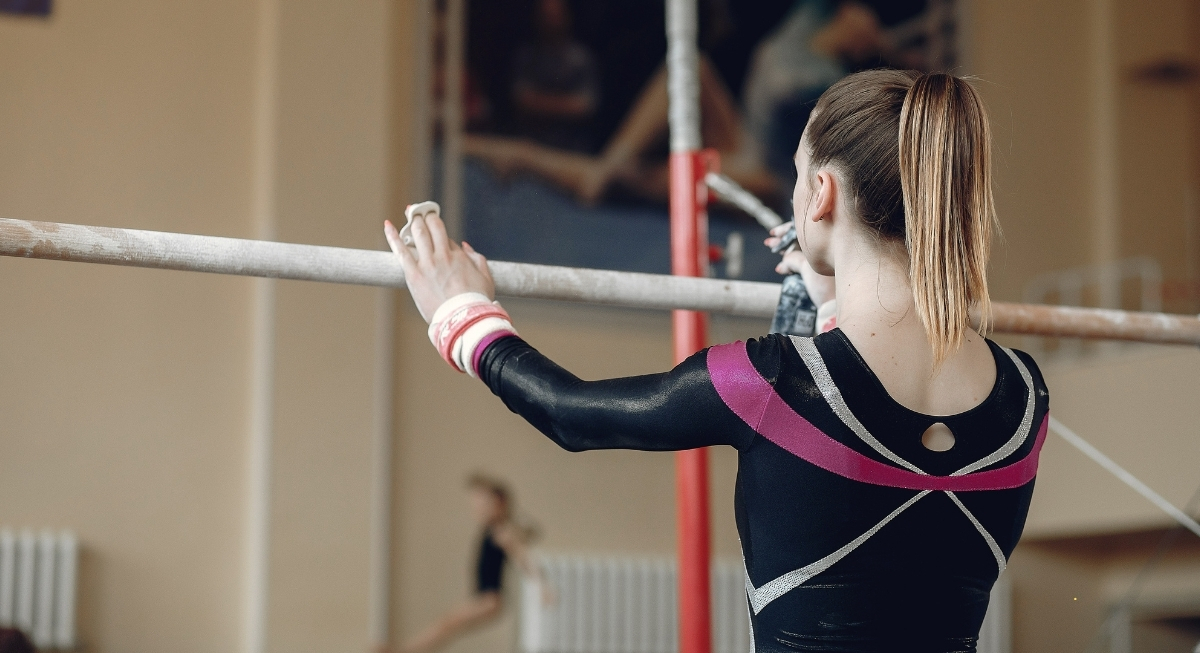
Nadia’s training in Romania involved tough routines and endless practice. She arrived in Montreal ready for anything. All those hours of hard work turned into confidence on the big stage. She never let the heavy pressure or bright lights break her focus. Every move looked perfect because of her solid training.
How Young Was Too Young?
Credit: Canva
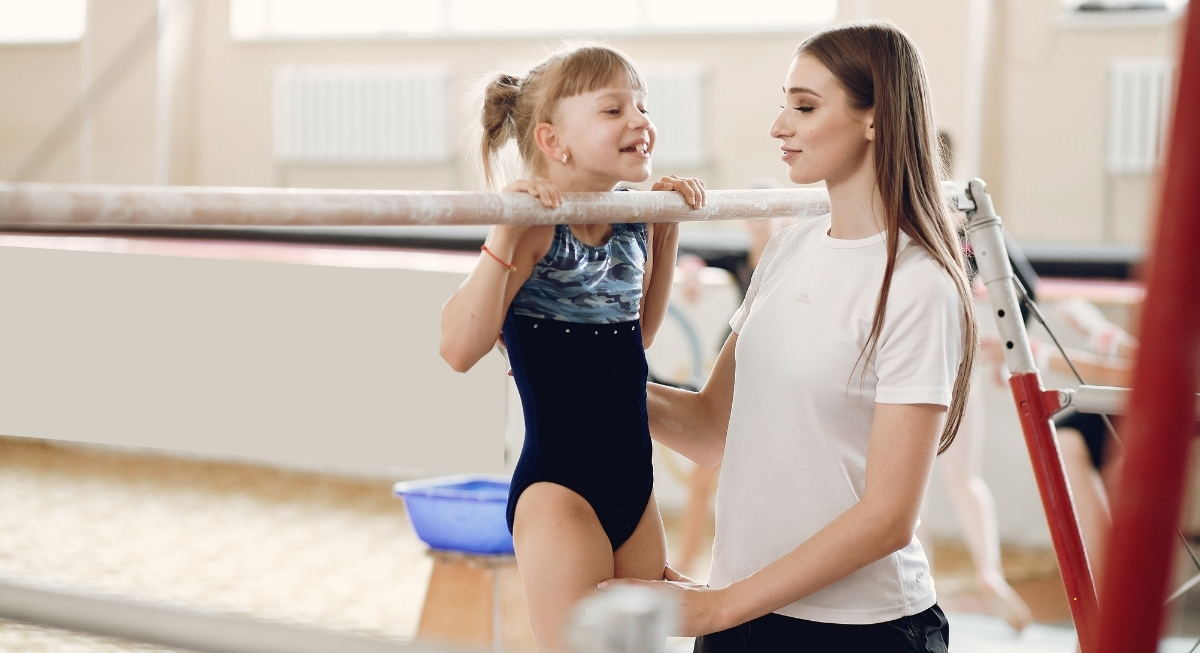
A 14-year-old girl winning the biggest gymnastics title on the planet is inspiring. Nadia pulled off that feat without breaking a sweat. She became the youngest Olympic all-around champion ever. Her record remains untouched because the rules were updated to raise the minimum age. She basically locked the door on her way out.
What Seven Perfect Scores Really Mean

Credit: Getty Images
Nadia hit those perfect marks again and again until she did it 7 times. Every single routine stood out on its own. The judges gave high scores because she stayed so consistent. Soon, seeing a perfect 10 stopped being a shock and turned into a regular habit.
The One Event That Got Away

Credit: Canva
Nadia dominated the week, but one event stood out. She missed a medal on the vault and finished fourth. The narrow gap shows how tight scoring could be across events. It also makes her other big wins feel even more impressive. Perfection is rare, and seeing her fight for every point proves she earned her spot at the top.
Why Judges Had To Rethink The Scale

Credit: iStockphoto
The perfect 10 exposed a limitation in how gymnastics was measured. If the top score had been reached, where could athletes go next? The question gained weight after Montreal. Over time, the sport moved toward an open-ended scoring system to allow more separation between routines. This change was influenced by several factors, but that week in 1976 was the start of everything.
Proof It Was No Fluke
Credit: Getty Images
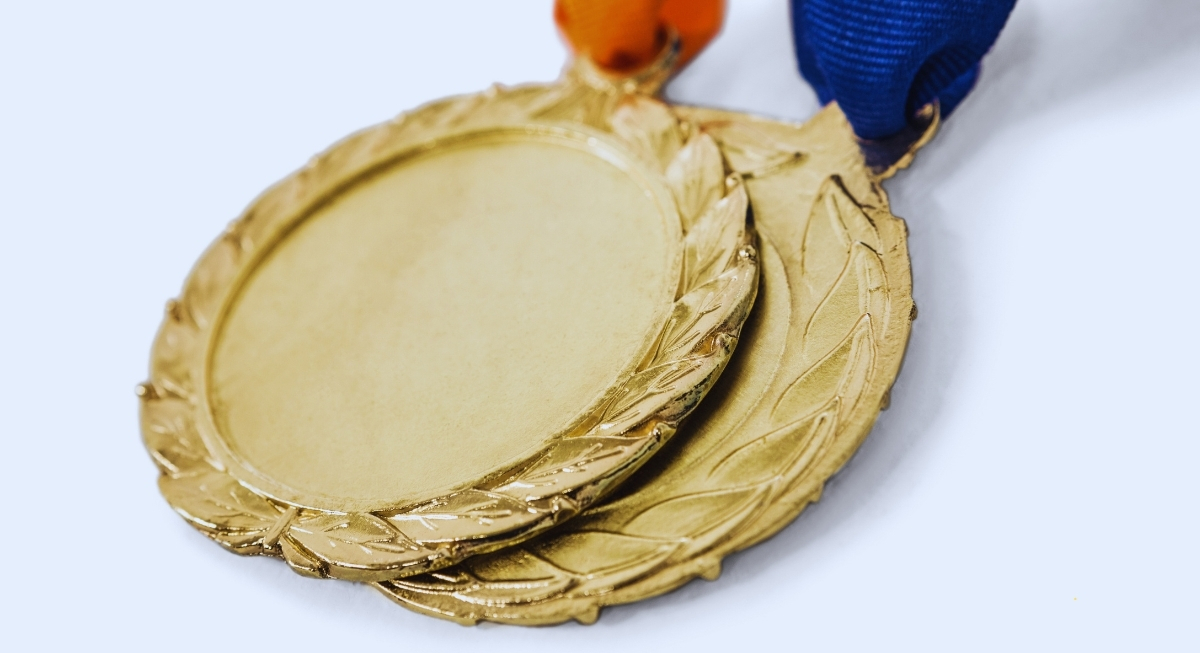
Nadia Comaneci returned to the Olympic stage in 1980 with plenty of talent. She won two more gold medals and hit two more perfect 10s. By the time she finished, her total had reached nine medals. This big win proved the performance in Montreal was no fluke. Her amazing consistency made her a true legend among gymnastics fans everywhere.
Life Under Tight Restrictions
Credit: Getty Images
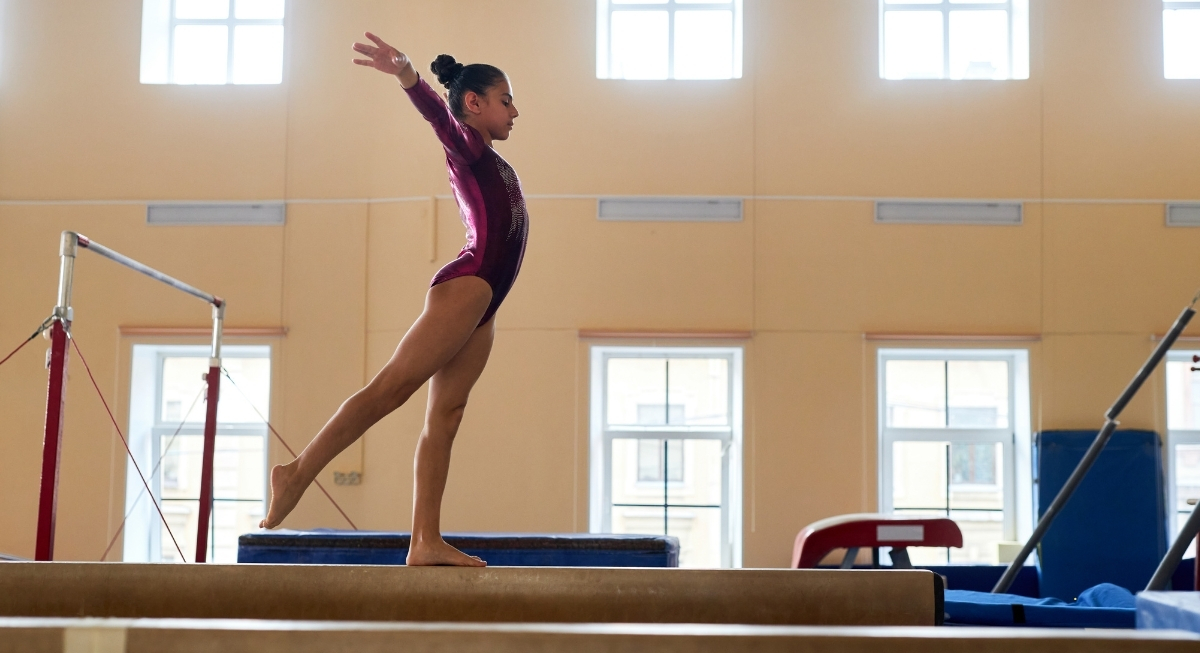
Success on the world stage didn’t translate to personal freedom at home. After her competitive years, Nadia faced limits on travel and daily life in Romania. The system that developed elite athletes also controlled their movement. She remained connected to gymnastics, though under supervision.
Building Something New In The U.S.

Credit: Canva
A major shift came in 1989, when Nadia moved to the United States to start a brand-new chapter. She teamed up with her husband and fellow gymnast, Bart Conner, to build a gymnastics school for young athletes. Her work moved from performing routines to guiding others through them. Now her legend goes beyond the competitions where she first made history.