
Three framing cues that calm a rattled pitcher without a mound visit, using the glove, the target, and the pause.
Quiet target, quiet mind

I learned this the hard way catching a kid who could dot the low-away corner in the bullpen, then lose his head the second an umpire squeezed him. His misses got louder. Not the ball, him. The glove started moving like I was trying to swat a fly. Every time I yanked at a pitch, he saw it. And every time he saw it, the next one came in hotter, higher, and less on purpose.
So I started treating my target like a metronome. I set it early and I keep it boring. Not frozen, because you still have to give him a place to throw, but steady enough that his eyes can land and stay there. My rule is simple: once I show a spot, I don't chase the last miss with my glove. If he sailed a fastball arm-side, I don't slide the target back across my body like I'm re-drawing the strike zone in midair. I reset between pitches. That reset matters psychologically because it separates the last pitch from the next one.
Then the framing part: if the ball is close, I receive it like it's heavier than it is. Thumb stays under the ball, pocket catches it clean, and the movement back to the zone is small and late. The best compliment you can give a pitcher is making his near-miss look like it belonged. It doesn't trick an umpire for long, but it keeps your pitcher from spiraling into that "they're not giving me anything" mood that turns a one-run inning into a mess. When I'm doing it right, he starts working again instead of performing.
The half-beat hold that keeps them from rushing
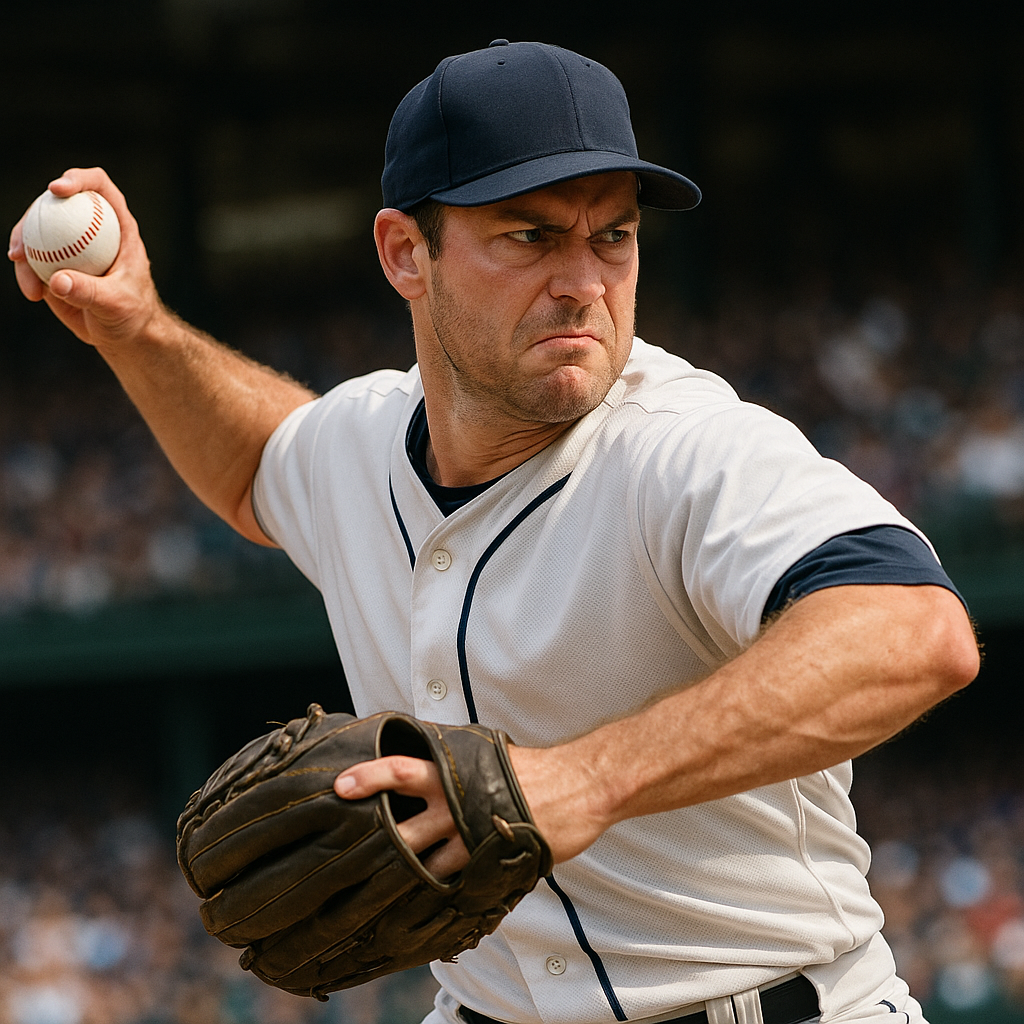
Watch a pitcher who's rattled and you'll see it in the tempo before you see it in the location. He gets the ball back and he's already going. You can almost hear the internal monologue: hurry up, prove it, get the call back. If you feed that pace, you're basically cosigning the panic.
The simplest framing technique I use for this isn't about moving the ball at all. It's about when I move. On borderline pitches, especially down, I catch it, let the glove stop, and hold it for a half-beat. Not a show. Not a statue. Just long enough that the picture is clear for the umpire and, more importantly, long enough that my pitcher feels like the pitch had a fair chance. Then I return it like normal.
Here's the part people miss: that hold also slows the exchange. A pitcher who wants to quick-pitch himself out of trouble can't do it if you're not immediately firing the ball back. You're not icing your own guy, you're giving him a breath he won't take on his own. I've had pitchers roll their eyes at me between innings, then later admit it kept them from rushing their front side.
You can make it even cleaner with a consistent setup: present the target, drop into your stance, and keep your head level through the catch. When your mask is bobbing and your glove is stabbing, it reads like chaos from 60 feet 6 inches away. When you're calm, he tends to throw calmer. It's contagious in the most practical way. The next fastball comes out at 92 percent effort instead of 110, which is where command lives. And when he gets a borderline strike because your receipt looked confident, you can feel his shoulders drop before he even toes the rubber again.
One physical cue for the pitcher who can't stop aiming
There's a certain kind of inning where a pitcher stops throwing to a target and starts throwing to an idea. The idea is usually a perfect black-edge strike that will make the hitter look silly and make the last call feel less personal. You can see it because the misses get smaller but more frequent. Everything is "just" off, and he keeps shaking to tougher stuff like difficulty is the solution.
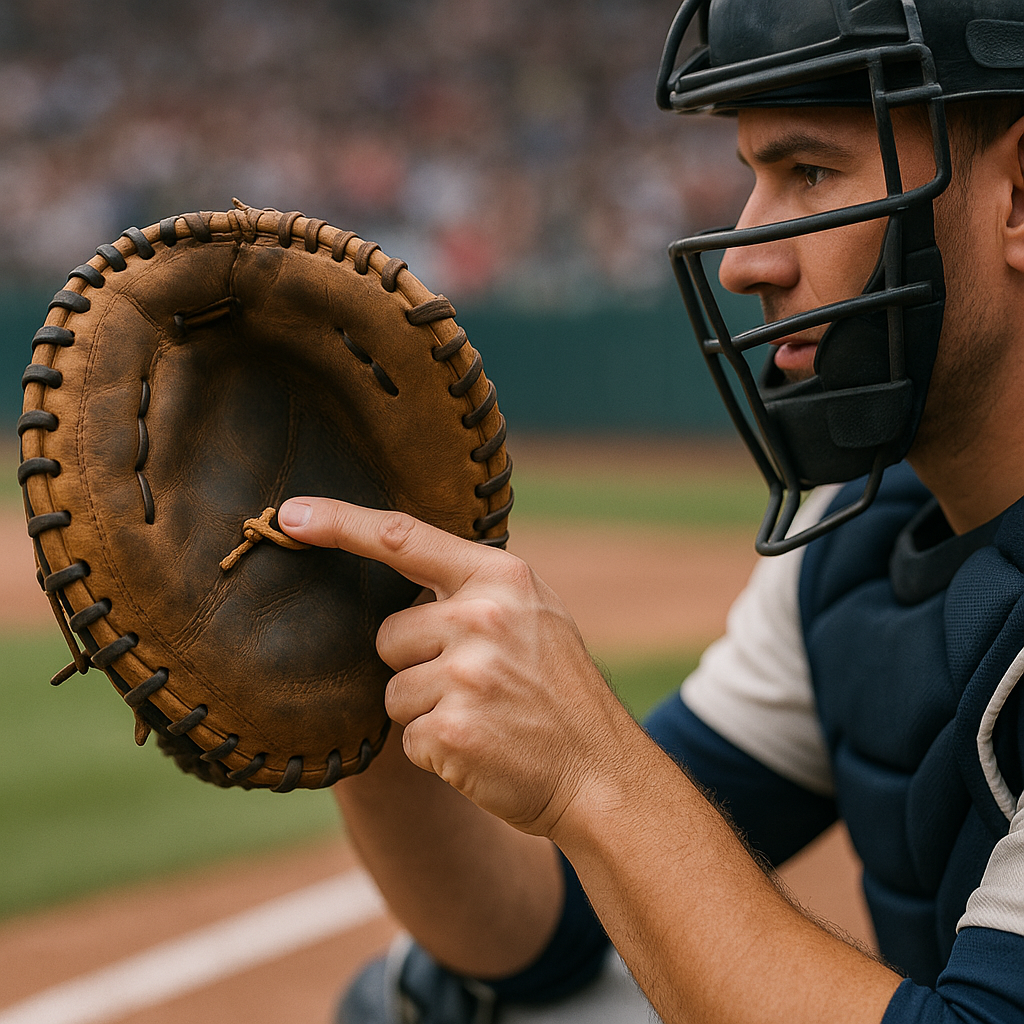
I started fixing that with a physical cue on my mitt, and I wish I'd done it years earlier. On my old Rawlings, I tied a single small lace knot (some guys use a bead) at the base of the pocket lacing, right where my eyes naturally land when I'm setting up. It's not for the umpire. It's for the pitcher. When he's in that aiming mode, I don't flash a more complicated target. I set up and tap that knot once with my index finger inside the glove. Then I hold the mitt still.
That tap does two things in his head. First, it gives him one simple spot to throw through, not a vague request for perfection. Second, it tells him I'm not changing the plan because of one call. It's the catcher version of, "Stay on this." No mound visit. No theatrics. Just a cue we both understand.
On the receiving end, I pair it with framing that rewards intent. If he hits the lane and it's a hair off, I catch it clean, keep the glove quiet, and let the presentation do the talking. If he yanks it, I don't jab back like I'm scolding him with my wrist. We reset, I tap the knot again, and we go. The funny part is hitters feel it too. When the catcher looks sure and the pitcher stops nibbling, at-bats get shorter. Not always prettier, but shorter. And for a pitcher who's starting to get loud in his own head, shorter is oxygen.