10 “Curses” in Sports That Fans Actually Believe
Sports fans have always searched for reasons when logic falls apart. A team builds talent, wins during the regular season, then collapses when it matters. When that pattern repeats for decades, coincidence stops feeling random. That is where curses take root. These stories stick because the losses happened, the timing felt cruel, and fans needed an explanation that numbers could not provide. Over time, these beliefs became shared history, passed down as seriously as stats.
The Curse Of The Bambino
Credit: Wikimedia Commons
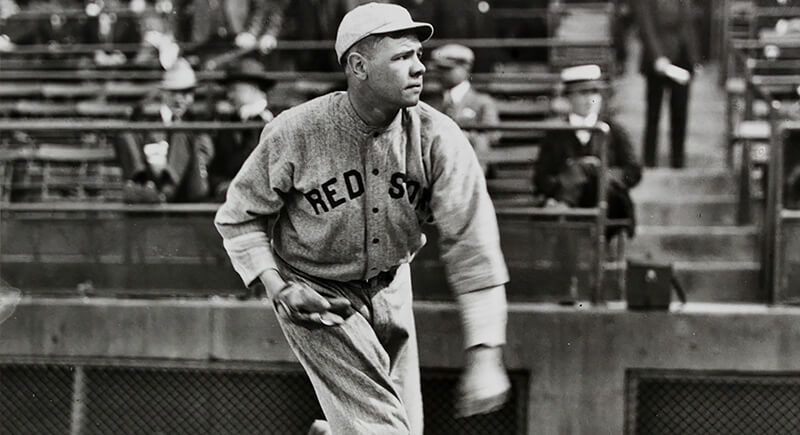
Boston sold Babe Ruth to the New York Yankees in 1919, and the Yankees won their first championship in 1923. Boston then went 86 years without winning the World Series, and fans tied that drought directly to Ruth’s departure. The phrase became widely known after a 1990 book. Boston finally won the title in 2004 after beating New York in a historic playoff comeback.
The Madden Cover Curse
Credit: ebay
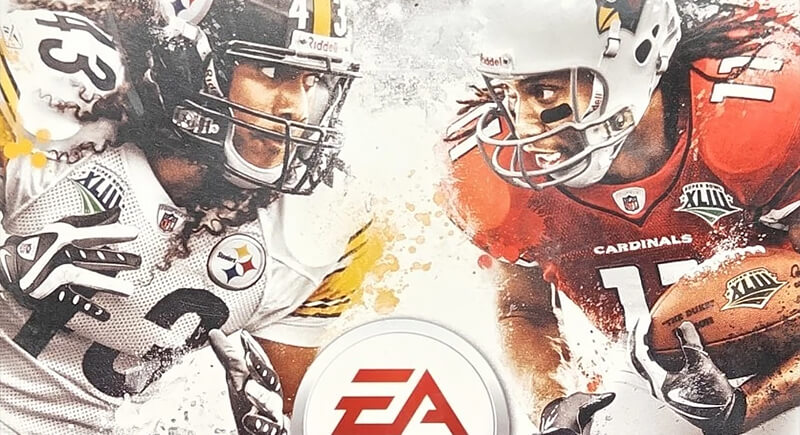
The Madden NFL video game began featuring players on its covers in 1988, and fans tracked injuries or stat drops after their appearances. Several high-profile players missed games the season after appearing, and sports shows discussed it regularly. Players knew the reputation by the early 2000s, and endorsement discussions sometimes included jokes about the risk.
The Sports Illustrated Cover Jinx
Credit: ebay
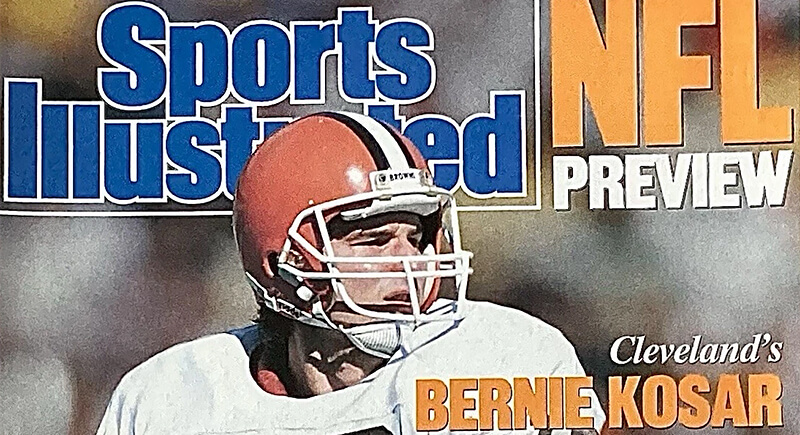
Sports Illustrated reached weekly circulation above 3 million during peak print years, and cover athletes often appeared during career-best seasons. Fans noticed performance drops after covers, and sports talk radio repeated the trend for years. The magazine later acknowledged public belief in the jinx, and the idea stayed part of sports conversation.
Bobby Layne’s Curse
Credit: ebay
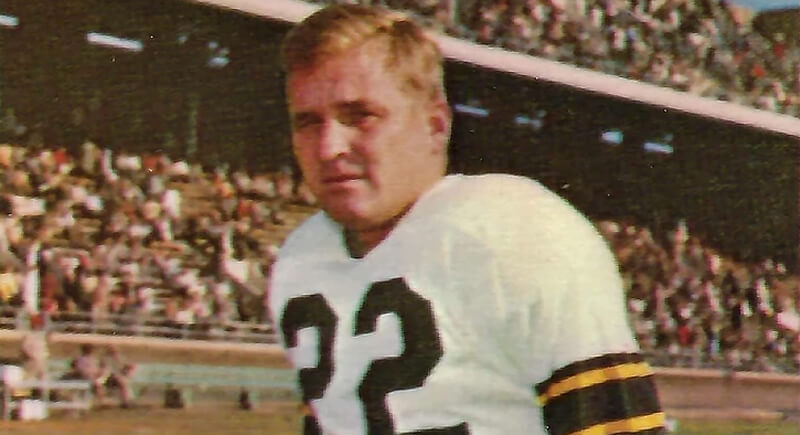
Detroit traded quarterback Bobby Layne in 1958 after he helped win three championships in the 1950s. The Lions never reached a Super Bowl after the trade, and the team posted multiple losing seasons. Detroit finished 0-16 in 2008, and fans still connect the trade to decades of franchise struggles.
The Billy Goat Curse
Credit: Billy Goat Tavern
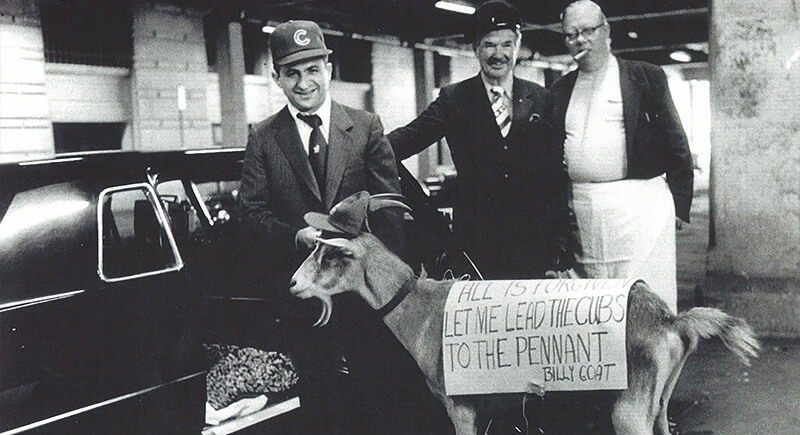
During Game 4 of the 1945 World Series, Chicago tavern owner William Sianis was asked to leave Wrigley Field because fans complained about his goat’s smell, and he publicly claimed the Cubs would never win again. The Cubs had already gone 37 years without a title, and then failed to win again until 2016. Sianis promoted the story for years, and Chicago media repeated it during every playoff failure.
The Rocky Colavito Curse

Credit: ebay
Cleveland traded Rocky Colavito in 1960 after he hit 42 home runs the previous season, and fans reacted with heavy criticism. Cleveland baseball then went decades without a championship, and attendance dropped during multiple losing eras. Local sports radio still discusses the trade because fans link it to long-term disappointment.
The Curse Of Coogan’s Bluff
Credit: X
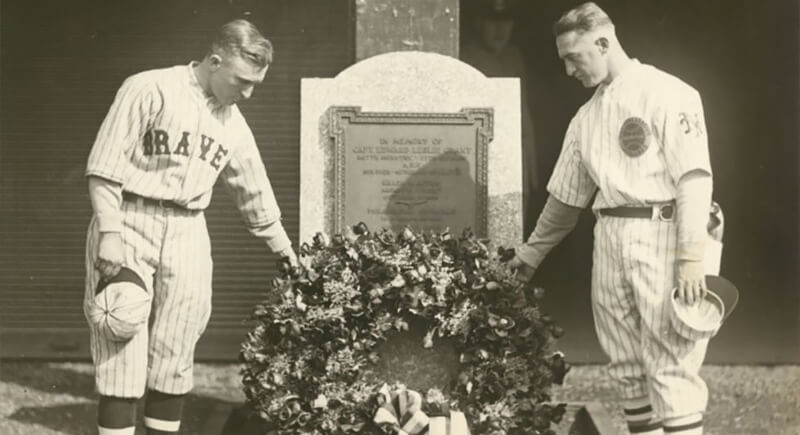
The Giants moved from New York to San Francisco in 1957, and a memorial plaque honoring Eddie Grant disappeared during the move. A replacement plaque was installed in 2006, and the team then won World Series titles in 2010, 2012, and 2014. Fans tied the timing together because the championships came within eight seasons.
The Colonel Sanders Curse
Credit: Youtube
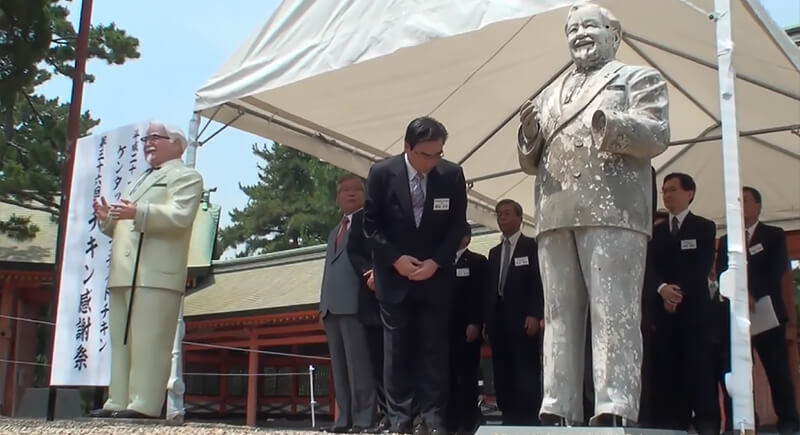
Hanshin Tigers fans threw a Colonel Sanders statue into the Dotonbori River during the 1985 championship celebrations, and the team struggled to win championships afterward. The statue was recovered in 2009 with missing pieces, and fans debated whether bad luck remained. The Tigers later returned to playoff success, and the story stayed part of Japanese baseball culture.
The Curse Of ’51
Credit: Irish Examiner
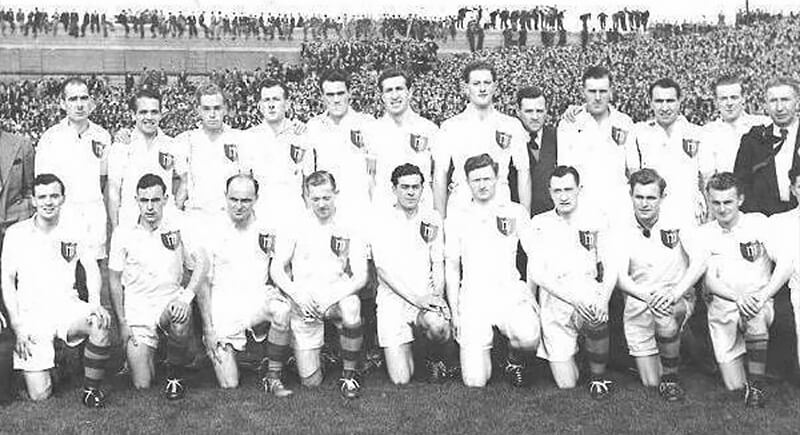
County Mayo won the All-Ireland Gaelic football championship in 1951, and folklore claims the county will not win again until every player from that team has died. Mayo reached multiple finals over the decades, and each loss renewed belief in the story. Irish media still references the curse during championship seasons.
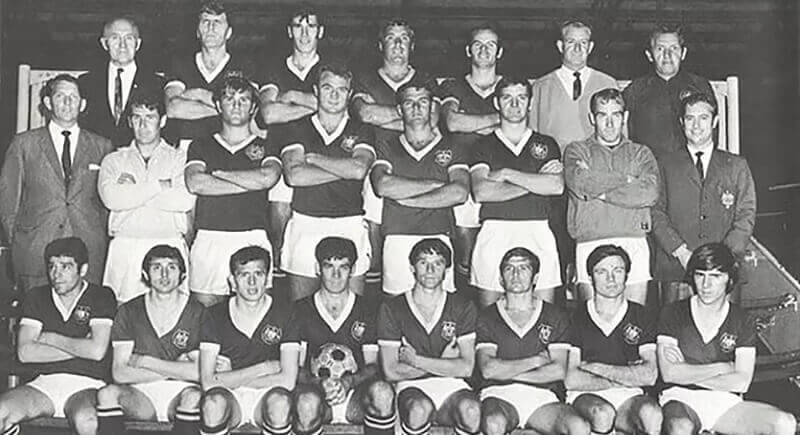
The Socceroos Shaman Curse
Credit: Blogger
Australia reportedly hired a shaman during the 1969 World Cup qualifying in Mozambique, and players later said the team never paid him. Australia qualified for only one World Cup over the next 32 years, and players publicly discussed the story. A televised ritual happened in 2004, and Australia qualified for the 2006 World Cup and reached the Round of 16.