
Three pre-snap IDs I teach young linemen: who the Mike is, where the bubbles are, and when the corner is the real run fitter.
Point the Mike, then decide what you can ignore
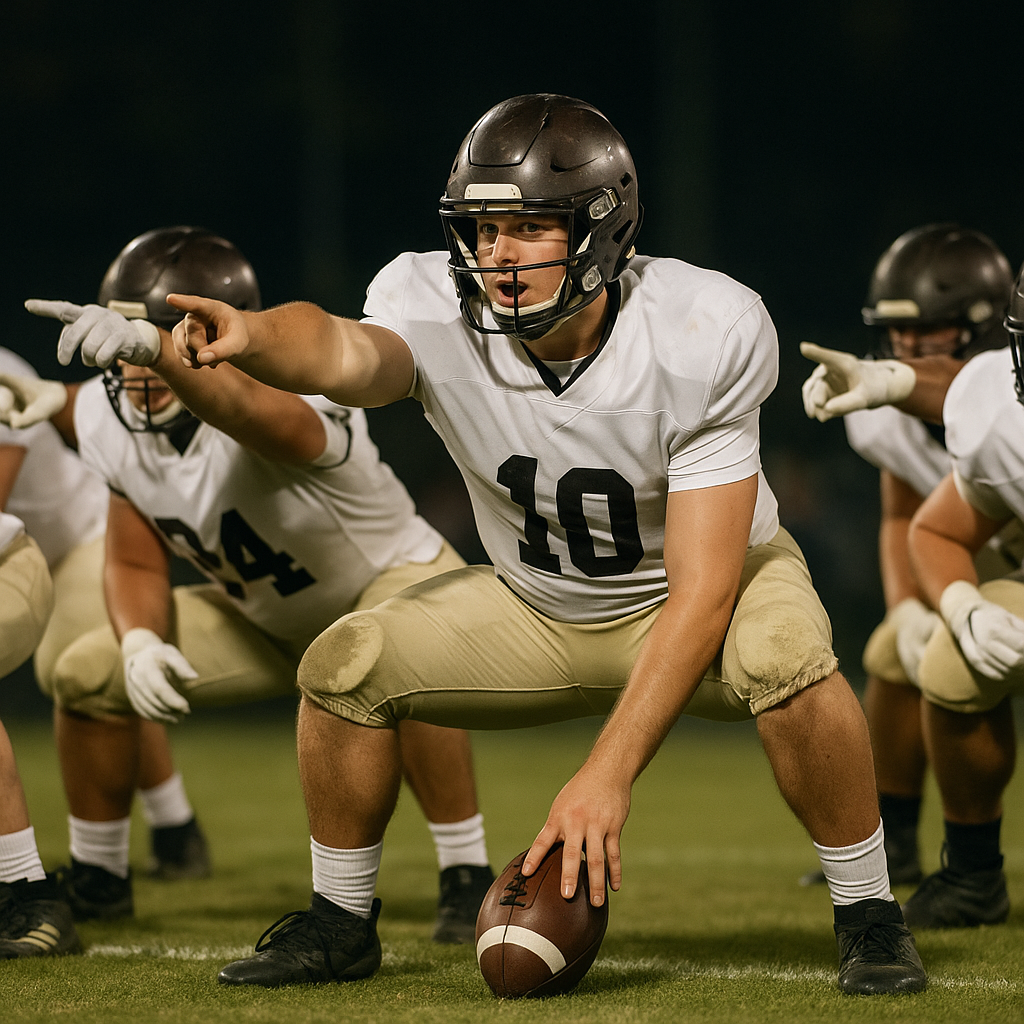
The fastest way I've found to calm a young line down pre-snap isn't a new scheme, it's giving them a shared anchor. I start with the simplest rule: the center identifies the Mike linebacker out loud, then every lineman points with the same hand for half a beat. You'd be surprised how often the problem isn't recognition, it's five different kids seeing five different problems and nobody wanting to be wrong. When the point happens, it forces a decision.
From there, the adjustment is less about sounding smart and more about deleting noise. If we're in inside zone and the defense walks a safety down late, I don't want a guard chasing that movement with his eyes. I want him to know: our count starts at the play-side A gap, and our combo is built off the nearest down lineman to the Mike. So the pre-snap thought is, "Is there a down lineman in my gap? If yes, I'm covered and my first two steps are mine. If no, I'm uncovered and I'm helping." That covered/uncovered check is what keeps a kid from taking a hero step into air because a linebacker wiggled.
Here's how it looks in a real Friday night scene. The defense shows a 4-2 box, then the weakside linebacker creeps up like he's about to blitz the B gap. The guard's eyes want to follow him. I tell the guard to keep his eyes on the down lineman first, then snap his eyes to the Mike only after his first step. If the Mike moves, the center updates the point. If the Mike doesn't move, we treat the creeper like window dressing until he crosses the line of scrimmage. On film, this is the difference between a clean double on a 3-tech and a guard who abandons the double early because the second level looked scary. When kids get this, the line starts talking in short, boring phrases. That is the whole point.
The bubble scan: find the empty gap before you hear the stunt call
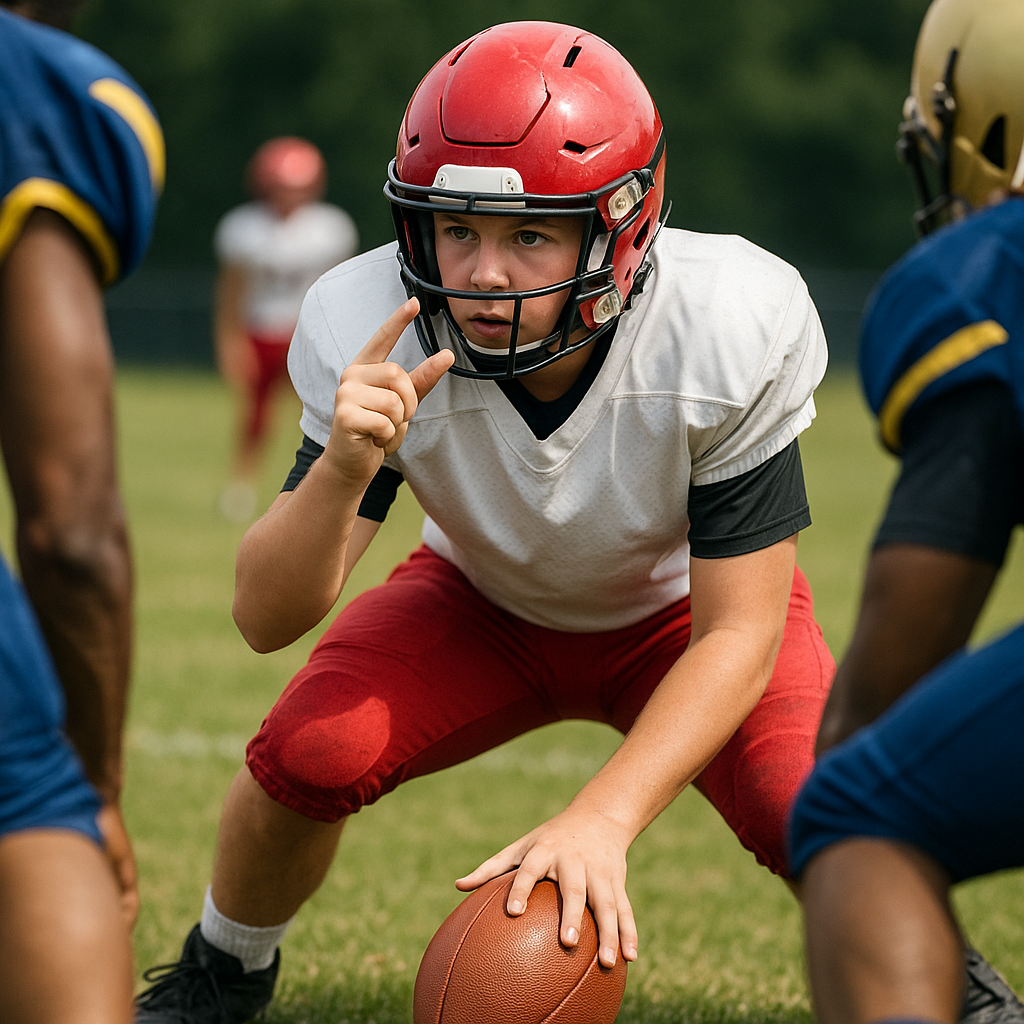
I don't teach 12-year-olds to diagnose a front like a defensive coordinator. I teach them to hunt for bubbles, because bubbles usually tell you where the defense has to steal a body from. Before a snap, I want each lineman to take a quick left-to-right inventory of gaps, not jerseys. Start at your play-side gap and count: A, B, C. Is there a down lineman sitting in it? If two adjacent gaps are empty of down linemen, your antenna goes up, because somebody is probably coming from depth or the defense is playing games with angles.
The practical version: you're looking at an odd look, and there's a nose head-up on the center, but both B gaps look light. A lot of young guards will relax because they see fewer big bodies. That's when they get hit with a linebacker insert or a snap-stunt where the nose slants hard and the end loops. I teach the guard and tackle to say one thing to each other: "B is soft." Not because we're scared, but because it changes how disciplined the first step has to be. Your first step still belongs to your gap. Your second step might be help. If you chase a looping end with your shoulders turned, you just widened the bubble you were supposed to close.
When we practice it, I make the defense line up in what looks like a 3-3 stack, then I have the outside linebacker creep toward the line at the last second. The offense doesn't get to re-huddle. The linemen have to scan for where the down linemen aren't. If the C gap is a bubble and the overhang is creeping, the tackle knows he can't set like it's a normal pass look and he can't step inside like it's a guaranteed zone combo. He has to keep his hips square and be ready to fit either the down end (if he spikes) or the overhang (if he triggers). The kids who get good at this aren't the loud ones. They're the ones who stop getting surprised by the same two pressures in October.
The corner tells you more than the safety does
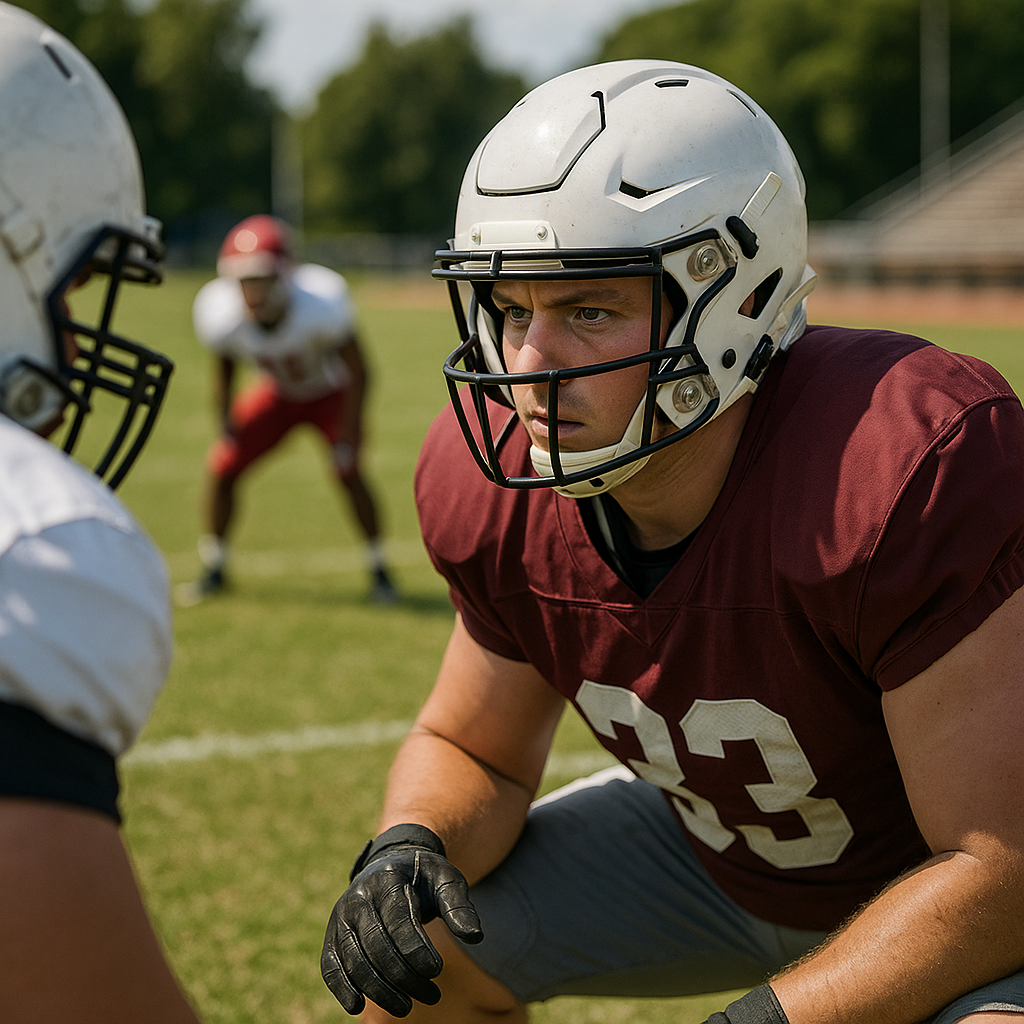
Most young linemen stare at the safeties because a coach once told them to. Safeties matter, sure, but if I'm trying to help a right tackle handle weird fronts, I start with the corner. The corner's alignment and body language give away whether he's a cover player or a potential force defender, and that changes how quickly the edge gets muddy.
Here are the two looks I have my line call out, even if the quarterback is the one making the official check. One is press or hard squat: the corner is tight, feet under him, eyes inside, like he's ready to crack-replace. The other is bail: the corner is at 7 to 9 yards, weight on his heels, and he's already opening his hips. When it's bail, the edge support is often coming from the safety or an overhang, and it usually arrives a tick later. When it's press/squat, the corner can be in the run fit now, and your wide zone that felt safe on the chalkboard turns into a fistfight on the perimeter.
On the line, this becomes a simple adjustment in your head: if the corner is squatting and the overhang is walked up, don't assume the defense is light just because the box looks normal. Expect fast force. For a tackle, that means your first step can't drift outside and leave your inside half soft. For a tight end or wing, it changes how you approach a crack threat because the corner is already nosy. I've watched a lot of youth tackles get blamed for an edge loss that was really a coverage indicator nobody looked at. Once you teach the corner check, kids start noticing small stuff: the corner peeking at the backfield, the safety cheating down but still flat-footed, the nickel inching like he's trying to time the snap count. It's not about turning them into film junkies. It's about giving them one more pre-snap clue that doesn't disappear the moment the ball moves.