Which School Is the True King of College Football History?
College football doesn’t have a crown or a throne, but that hasn’t stopped fans from arguing about who rules the sport’s long, chaotic history. Considering that the dynasties stretch back to the 1800s and championship banners are stacked like trophies in a video game, a few programs stand taller than the rest. Here are a few schools that have made a compelling case for being called college football royalty.
Yale Was First to Build a Football Empire
Credit: Wikimedia Commons
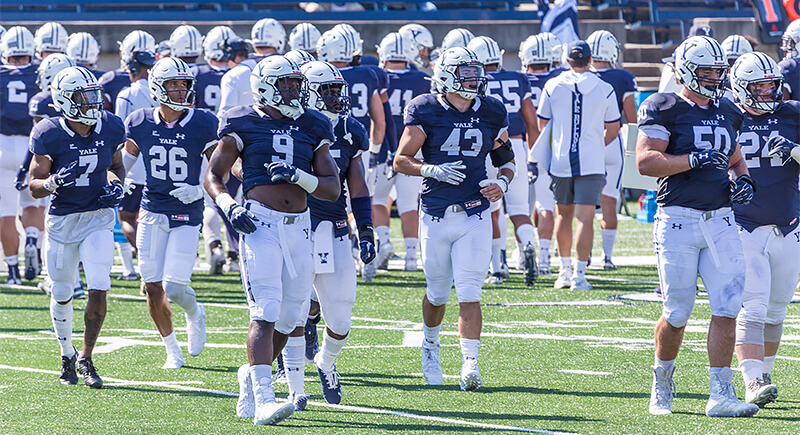
Yale dominated the early days of football. Its 18 national championships, recognized by the NCAA and earned before 1930, helped create the modern rules, and their trophy shelf is a monument to a time when Ivy League football actually meant business.
Alabama Won Across Eras, Coaches, and Systems
Credit: Wikimedia Commons
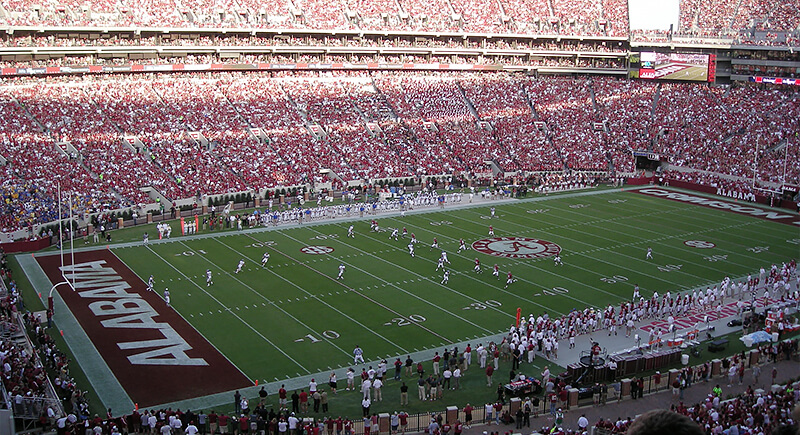
Winning under Bear Bryant was one thing. Matching that under Nick Saban was another entirely. Alabama’s 18 claimed national championships stretch across generations, with six earned since 2009. They’ve thrived in the poll era, the BCS years, and the playoff format.
Princeton Ruled the 19th Century Like a Dynasty
Credit: Instagram
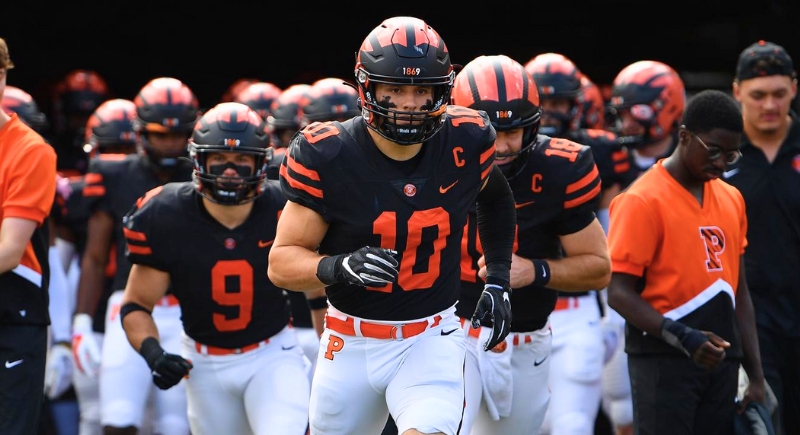
Princeton claims 28 titles, 15 of which are NCAA-recognized, with the majority earned between 1869 and 1922. They were often the only team anyone was talking about. The Tigers helped launch college football and walked off with nearly all the hardware while they were at it.
Michigan Built Its Name on Winning and Winning Big
Credit: Wikimedia Commons
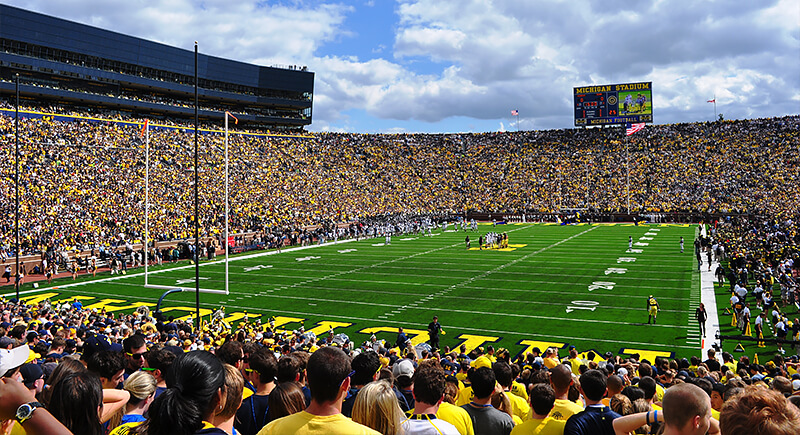
With 1,000+ wins, more than any other program, Michigan has been a football heavyweight for well over a century. Their 10 claimed national championships span from the early 1900s to their College Football Playoff title in 2023. Their fan base is so massive that their stadium is literally called “The Big House.”
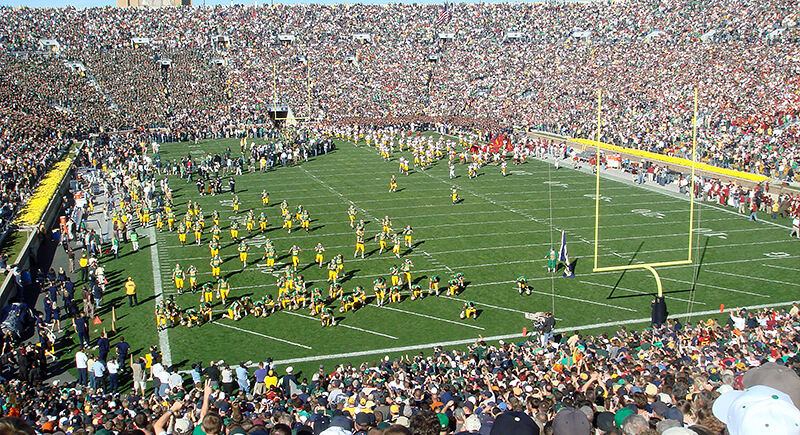
Notre Dame’s Legacy Runs Deep and Wide
Credit: Wikimedia Commons
Notre Dame has 13 national championships and seven Heisman winners, with names like Rockne and Leahy. They have been mythologized in books and movies, and were a national brand before college football even had national TV. Though their last title came in 1988, the Irish remain one of the sport’s most recognized and polarizing programs.
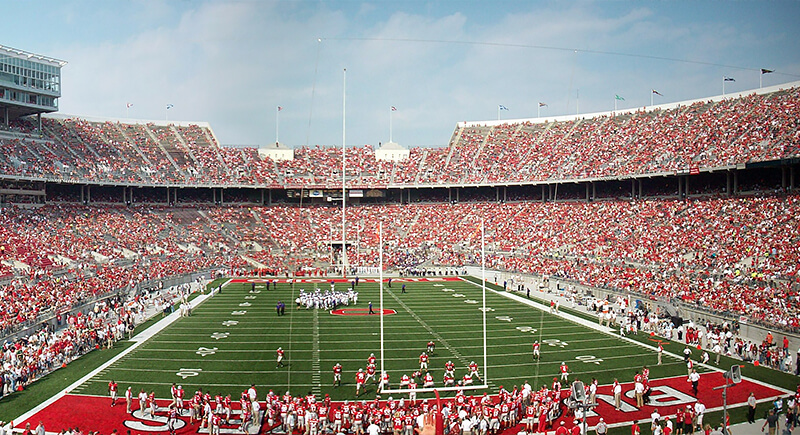
Ohio State Keeps Evolving Without Missing a Step
Credit: Wikimedia Commons
Ohio State claims eight national championships, and they’ve remained a fixture in national conversations from the poll era to the BCS and into the playoff years, highlighted by titles in 2002 and 2014. They have one of the highest all-time win totals in the FBS.
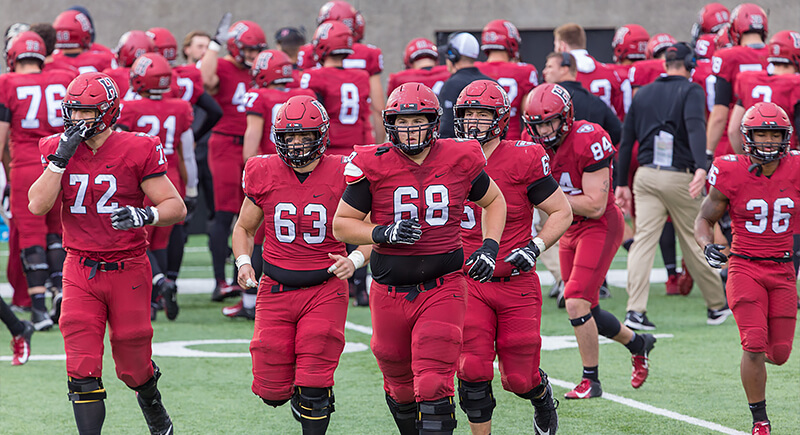
Harvard Was a Power Before the Sport Got Huge
Credit: Wikimedia Commons
Back when football games could end 4–0 and teams played on dirt, Harvard racked up titles like it was a full-time job. Their eight championships—all before 1920—don’t make them a current threat, but they do have a status as early kings of the sport.
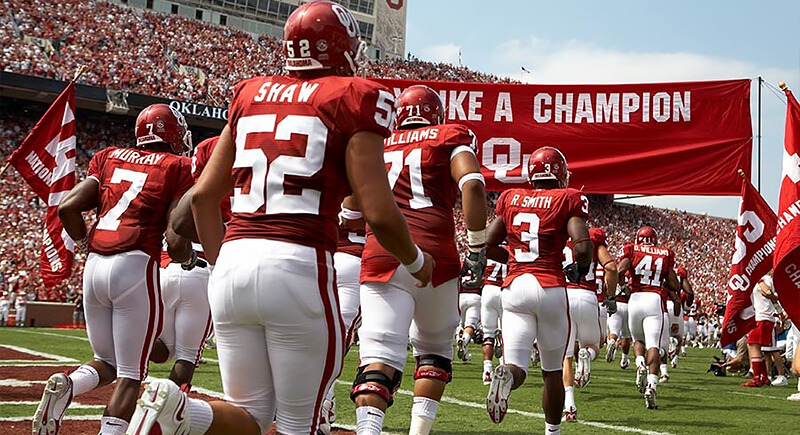
Oklahoma’s Coaching Tree Is Full of Winners
Credit: Wikimedia Commons
Seven national championships is impressive enough, but Oklahoma’s history also includes four different 100-win coaches, a statistic no other school can match. Bud Wilkinson and Barry Switzer each brought home three titles, and Bob Stoops added another in 2000. The Sooners are known for speed and quarterbacks who go pro.
USC Had Hollywood Swagger and Serious Results
Credit: Wikimedia Commons
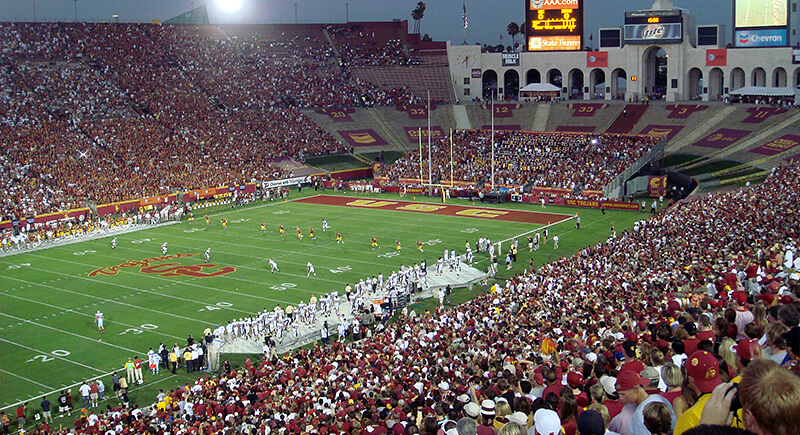
USC made college football cool on the West Coast. Between John McKay’s four championships and Pete Carroll’s run in the early 2000s, the Trojans stacked nine national titles. For a stretch, they felt unstoppable, especially with names like Reggie Bush, Matt Leinart, and Troy Polamalu lighting up Saturdays.
Minnesota’s Forgotten Run Was Nothing Short of Dominant
Credit: Wikimedia Commons
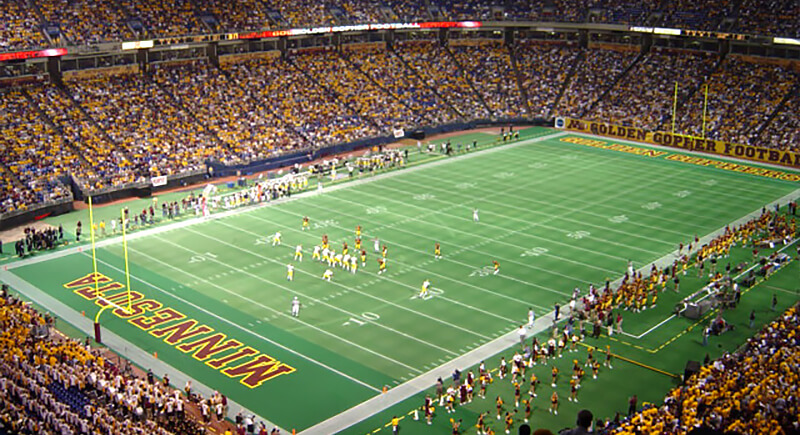
Between 1934 and 1960, the Golden Gophers collected six national championships, starting with a rare three-peat from 1934 to 1936. Under coach Bernie Bierman, Minnesota became known for physical, ground-heavy football and strategic discipline that overwhelmed opponents. Their mid-century success remains one of the sport’s most overlooked stretches of dominance.