10 Classic Ballpark Foods and the Surprising History Behind Each One
A trip to the ballpark has always featured food at the front and center. The food carries its own history, shaped by immigrants, clever vendors, and a few unexpected accidents. Many of these snacks began far from stadium seats, but found a natural home among cheering crowds. Over time, they became part of the routine tied to baseball traditions.
Nachos
Credit: Reddit
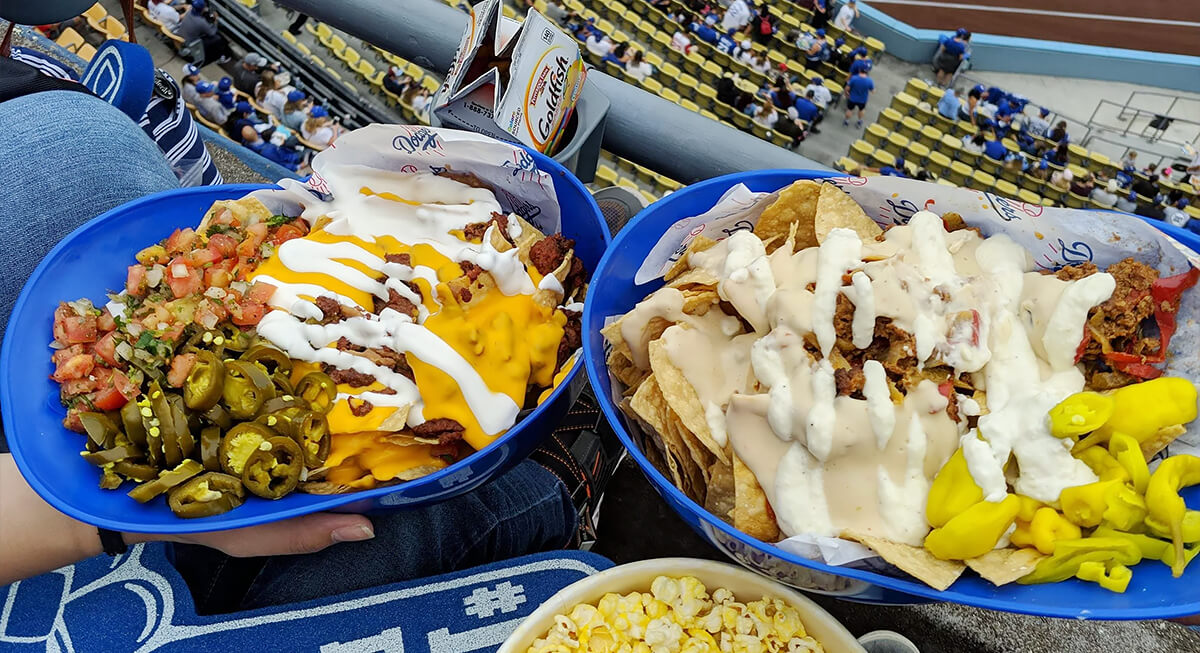
Nachos started in a small Mexican border town in 1940. Ignacio Anaya improvised a late-night snack for a group of customers using fried tortillas, cheese, and jalapeños. Decades later, a businessman named Frank Liberto adapted the dish for stadium crowds by introducing processed cheese that stayed smooth under heat lamps.
Hot Dogs
Credit: Reddit
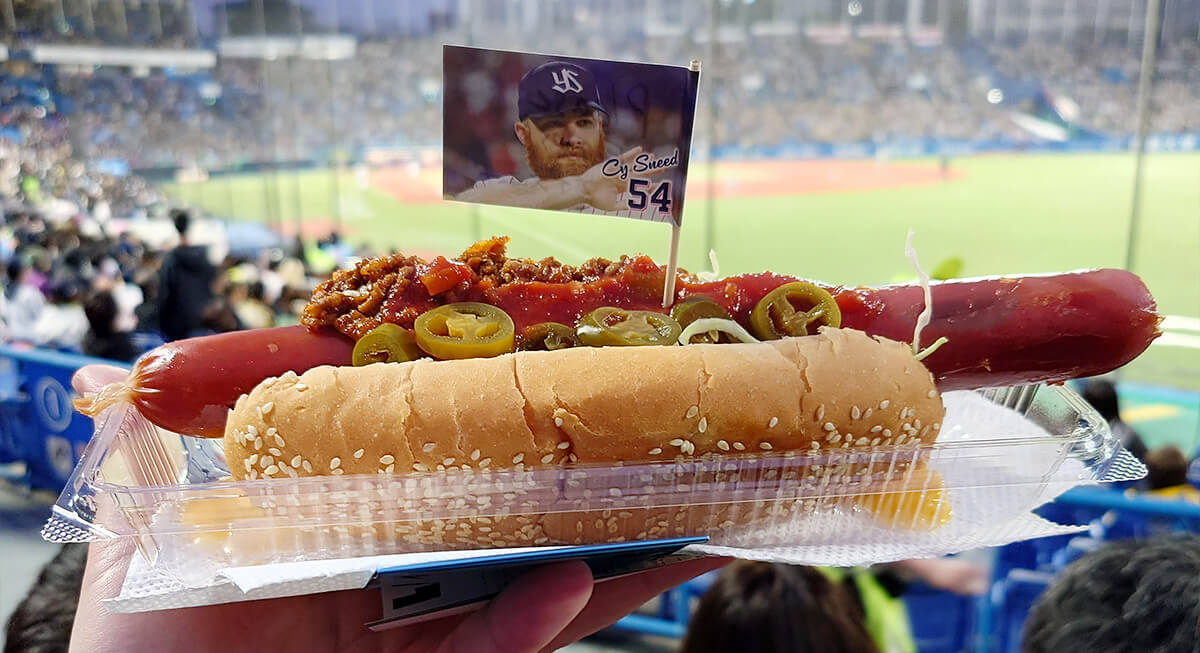
Sausages trace back centuries, though the hot dog gained traction in the United States through German immigrants who brought frankfurters and wieners with them. The familiar bun came later, possibly as a practical solution for handling hot sausages. By the late 1800s, vendors like Harry Stevens sold them at baseball games.
Cracker Jack
Credit: Wikipedia
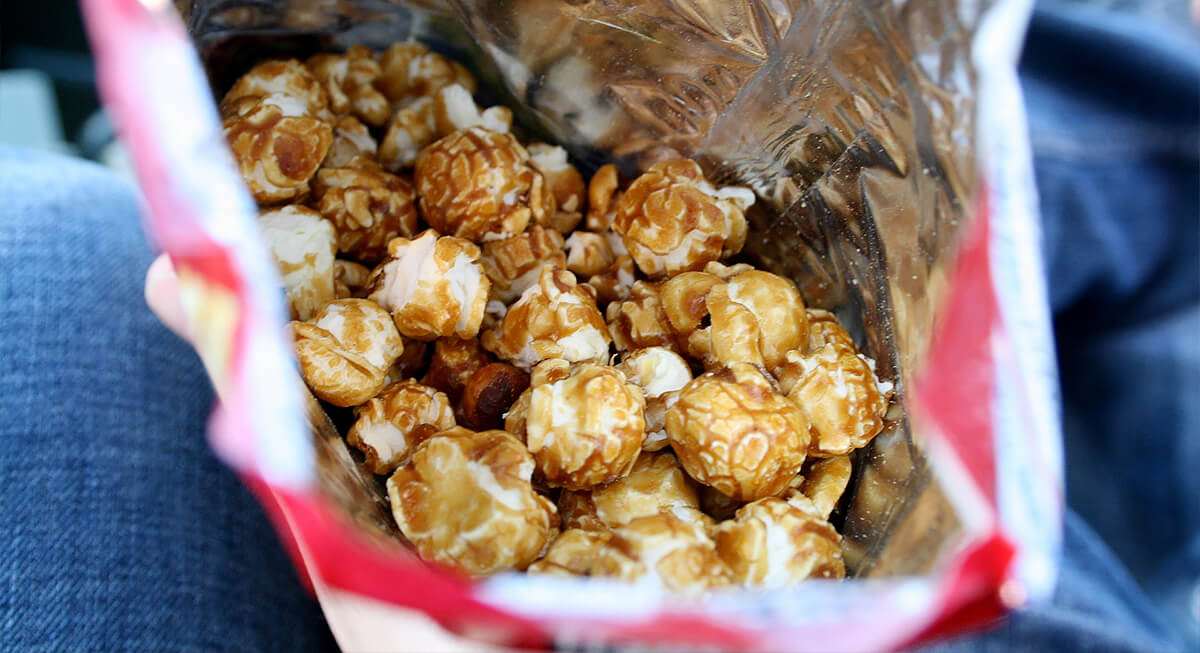
Cracker Jack came from experimentation. In the 1890s, Frederick and Louis Rueckheim mixed popcorn with molasses and peanuts to create a sweet-and-salty snack that stood out from plain popcorn. The name came from a slang term for something excellent. Its connection to baseball strengthened after it appeared in the lyrics of Take Me Out to the Ballgame.
Peanuts
Credit: Reddit
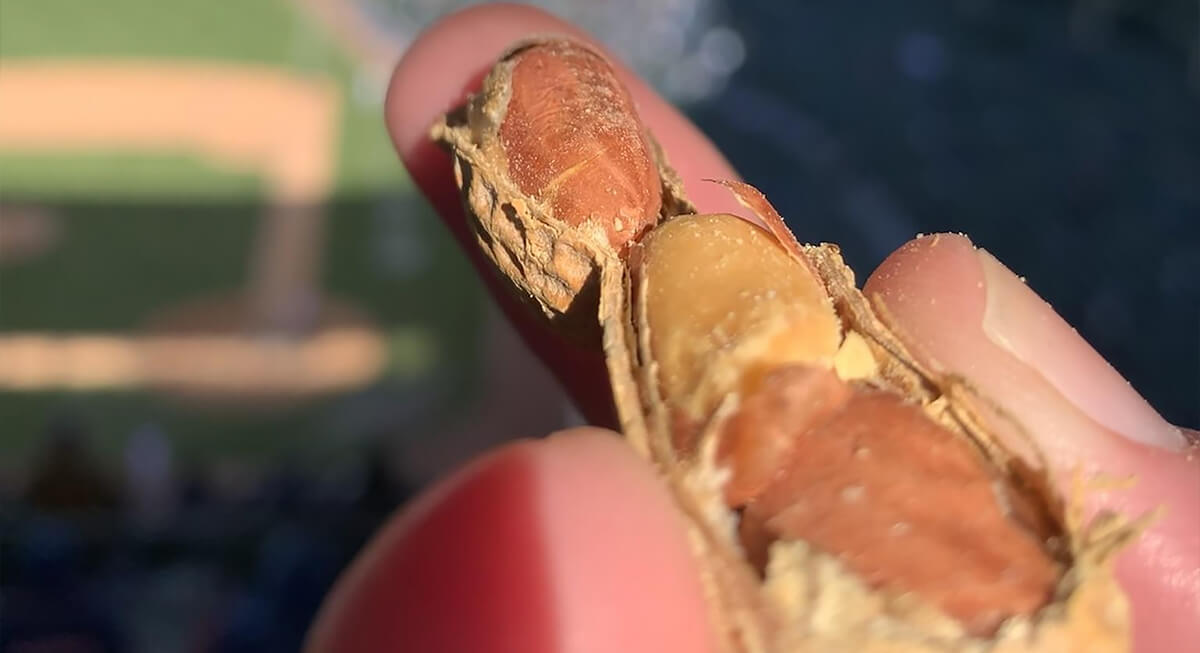
Peanuts have a long journey that began in South America before spreading across continents through trade routes. In the United States, they gained popularity during the Civil War as a practical food for soldiers. Vendors later recognized their value at public events. By the time baseball crowds grew in size, peanuts offered an affordable snack that could be sold easily.
Soft Pretzels
Credit: Instagram
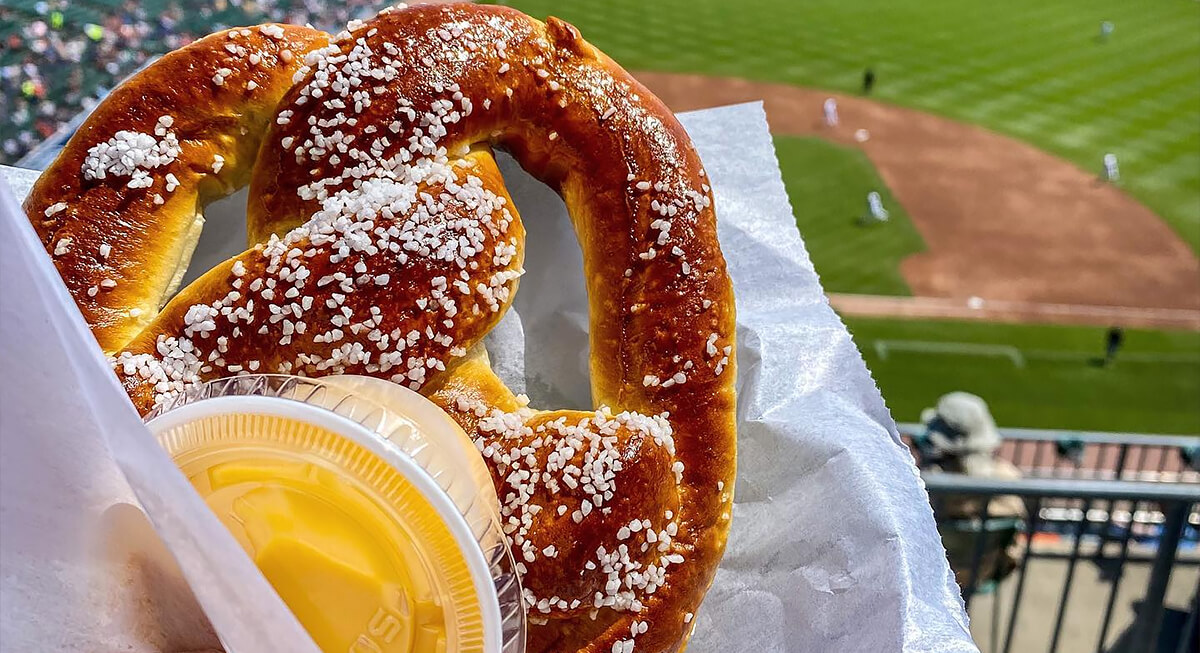
Soft pretzels arrived in America through German immigrants, who brought their baking traditions with them. Street vendors in cities like Philadelphia began selling them widely in the 19th century. Their compact shape and sturdy texture made them easy to carry and eat during games.
Popcorn
Credit: Instagram
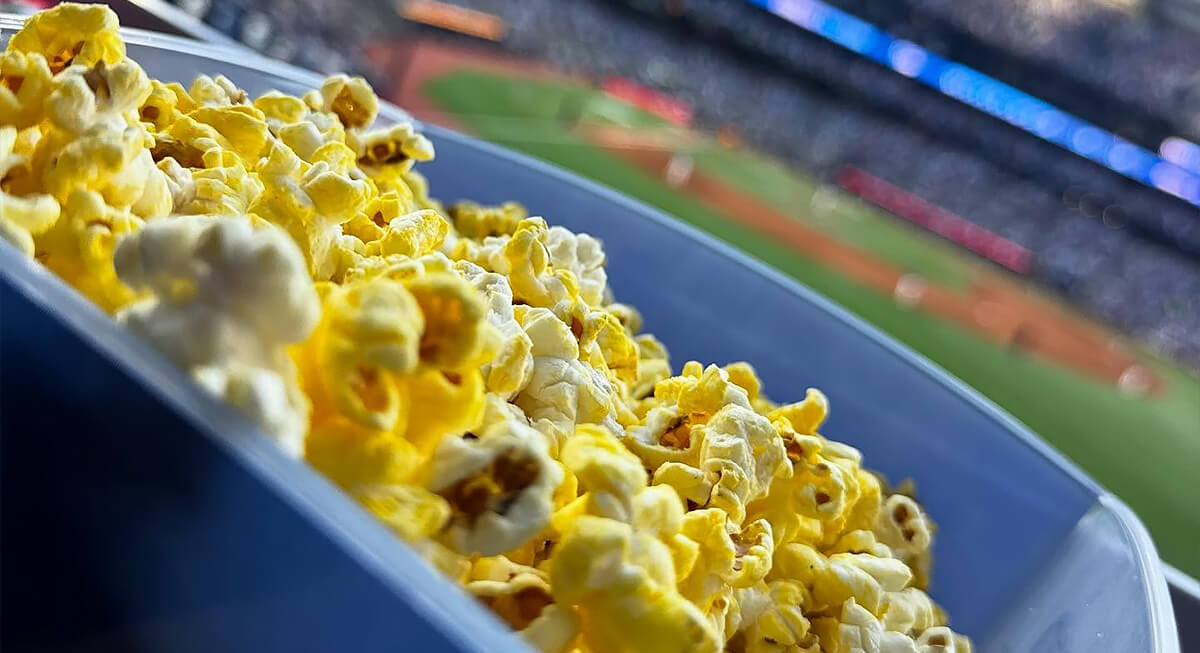
Popcorn has roots that go back thousands of years to Indigenous cultures in the Americas. By the late 1800s, it became a popular street food thanks to portable steam-powered poppers. Baseball parks embraced popcorn early because it could be prepared quickly and sold in large quantities with little effort.
Ice Cream
Credit: Instagram
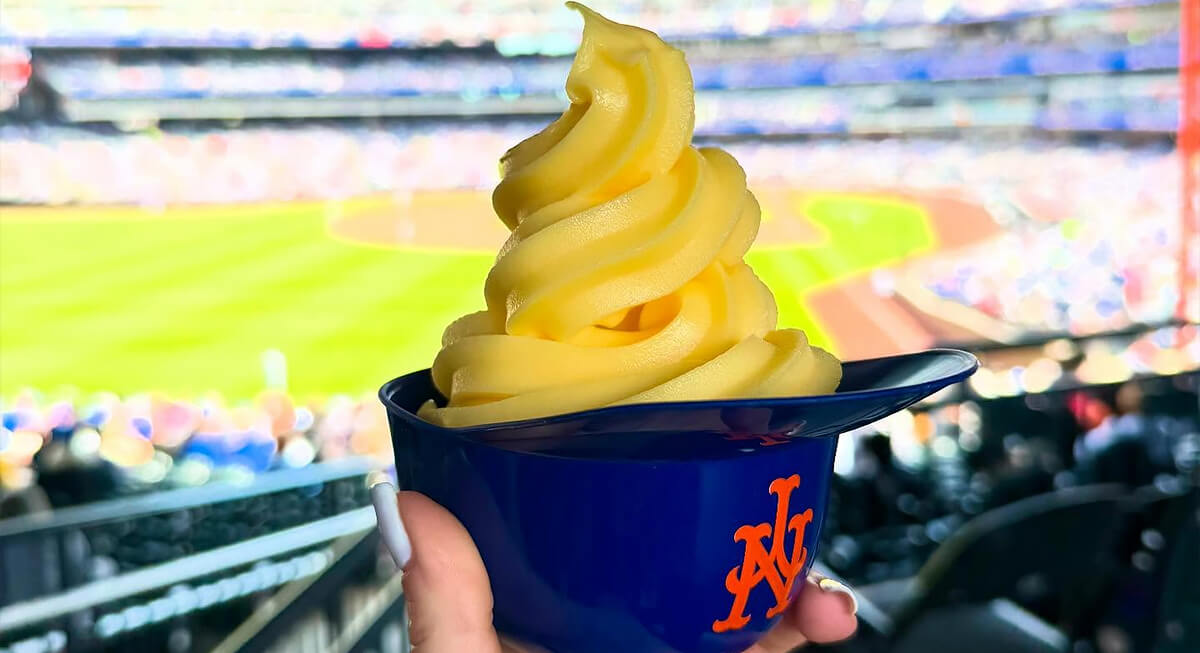
Ice cream found its way into ballparks as refrigeration improved in the early 20th century. Vendors began offering it as a refreshing option in the summer months. Novelty items like ice cream bars and cones made serving easier. Over time, branded treats and helmet-shaped cups added a sense of fun.
Cotton Candy
Credit: Instagram
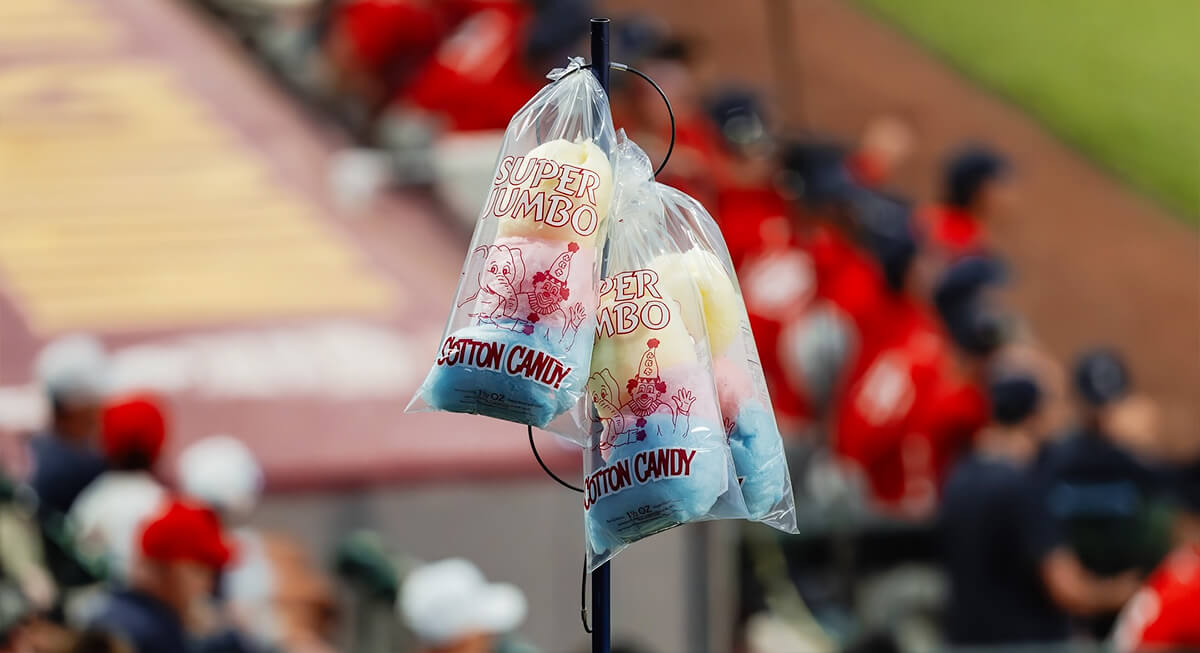
Cotton candy was introduced at the 1904 World’s Fair by two inventors who created a machine that spun sugar into fine strands. The light texture and bright colors attracted attention quickly. Ballparks adopted it for its visual appeal and ease of selling, and it became a favorite among younger fans.
Snow Cones
Credit: Instagram
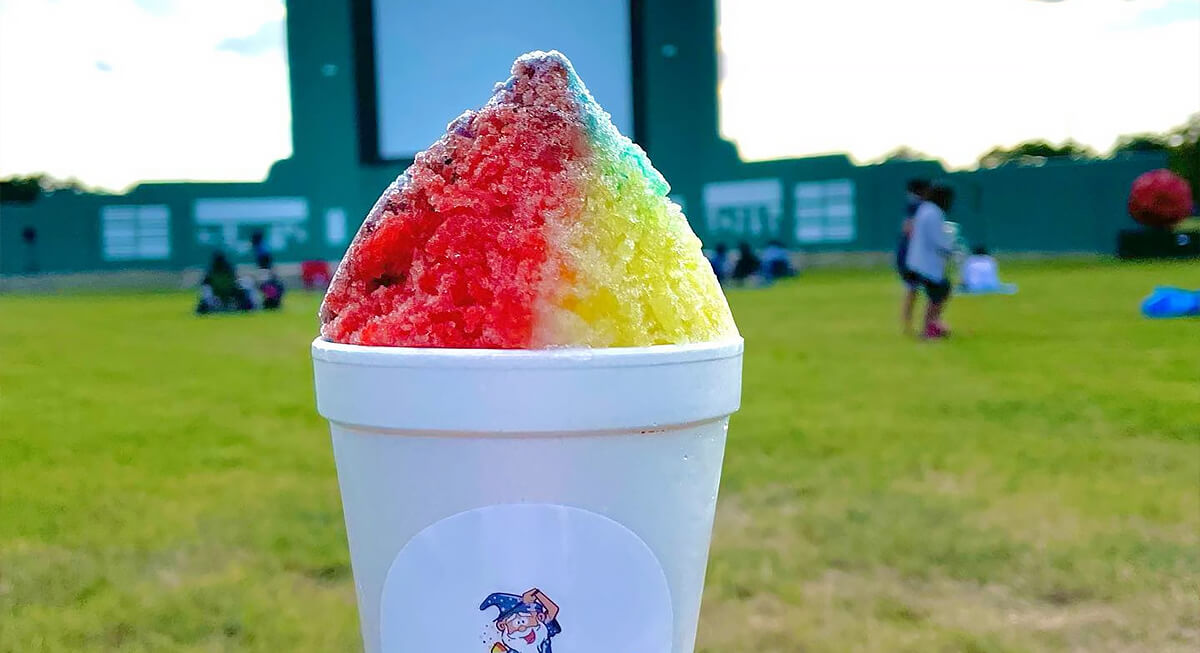
Snow cones gained popularity in the United States during the early 20th century, especially in warmer climates. Ice shaving machines made it possible to produce finely crushed ice, which vendors flavored with syrup. At ballparks, the treat offered a simple way to cool down during long games.
Churros
Credit: Wikimedia Commons
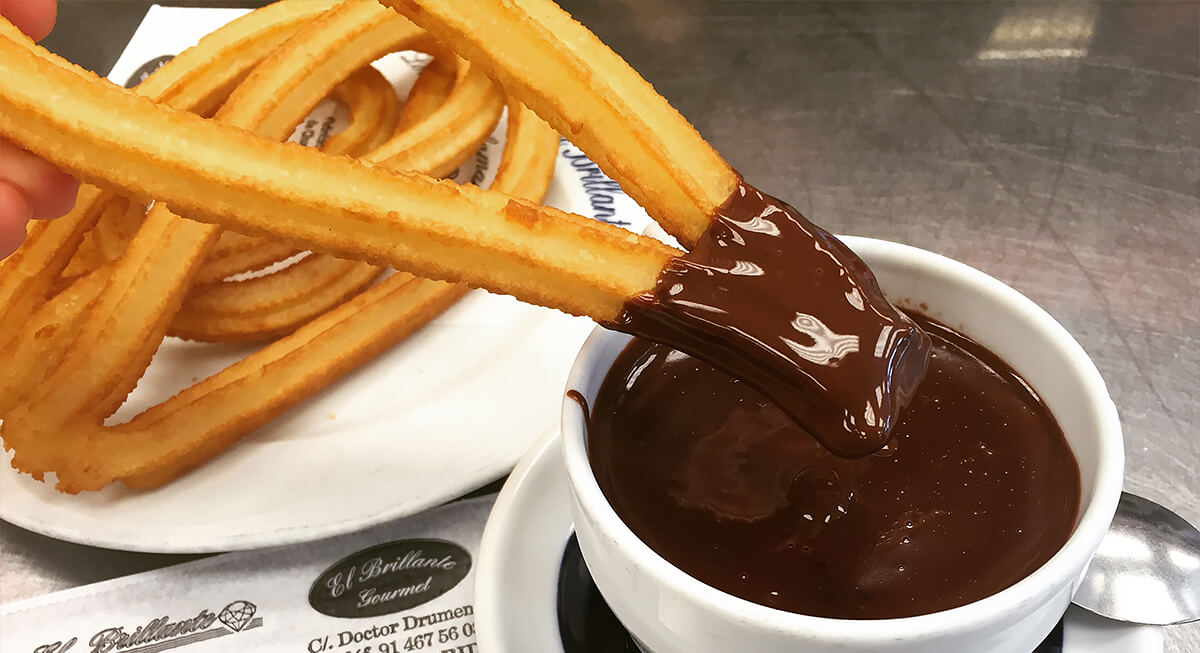
Churros trace back to Spanish cuisine, where fried dough coated in sugar became a popular street snack. They traveled to the Americas through colonization and gradually appeared at fairs and public events. Vendors could prepare them in batches and serve them warm, often paired with dipping sauces.