10 “Unwritten Rules” of Baseball That Gen Z Players Are Breaking
Baseball used to have a long list of “unwritten rules” that told players how to act, when to celebrate, how to dress, and even when to stay quiet. These rules weren’t official, but breaking them could get you labeled as selfish or disrespectful. That’s changing fast.
A new generation of players, many from different cultures and digital backgrounds, isn’t following those expectations. They’re bringing more emotion, personality, and openness to the game. One thing’s clear: the old code doesn’t hold the same weight anymore, and the sport is learning to adapt.
Swinging 3–0 With a Lead No Longer Signals Disrespect

Credit: Wikimedia Commons
Fernando Tatis Jr.’s 2020 grand slam on a 3–0 pitch while ahead by seven runs sparked national debate. It was once considered poor sportsmanship. But support poured in from across the league, which reframes the moment as smart, aggressive play.
Apologizing for Competing Hard Is Fading as a Norm

Credit: Instagram
After hitting that grand slam, Tatis apologized, likely under pressure. But Carlos Gómez immediately pushed back, saying he should never apologize for playing well. This was about shifting away from performative guilt in a sport that historically policed confidence as arrogance.
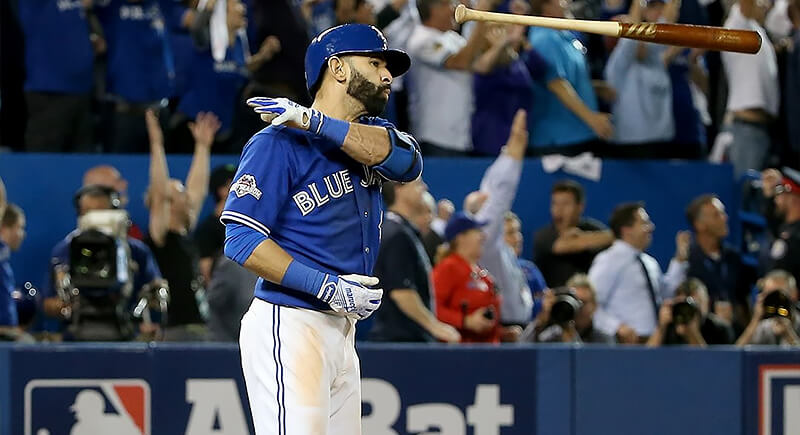
Bat Flips Are Treated as Expression, Not Provocation
Credit: Instagram
José Bautista’s bat flip in the 2015 playoffs was once condemned as over-the-top. Today, many players reference it as a turning point. Younger players now celebrate openly. Bat flips let a moment breathe instead of flattening it to avoid backlash.
Retaliation by Pitch Is Losing Cultural Support

Credit: Wikimedia Commons
For years, throwing at hitters was framed as upholding “respect.” But players like Amir Garrett would rather strike someone out than retaliate with a pitch. The trend reflects changing values: handling conflict through performance rather than punishment. It’s a slow fade, but the attitude is clearly shifting.
Showing Emotion No Longer Hurts a Player’s Reputation

Credit: Wikimedia Commons
Carlos Gómez was often criticized for his energy on the field. José Bautista too. For a long time, players toned it down to avoid being labeled “me-first” or “distracting.” That fear is fading. Now, emotion is more likely to be read as engagement rather than immaturity.
Flashy Accessories and Personal Style Are Now Allowed

Credit: Wikimedia Commons
Until recently, MLB restricted cleats and discouraged visible individuality. Players like Marcus Stroman and Tim Anderson now wear custom footwear, jewelry, and team- and player-personalized gear. The change reflects a shift in league culture.
Veteran Policing of Clubhouse Behavior Has Diminished

Credit: Facebook
In the past, rookies were expected to blend in and defer to veterans, with appearance used as a tool to enforce hierarchy. Carlos Gómez recalls being warned about standing out. Today, younger players face far less informal policing, as managers and veteran leaders step back from enforcing unwritten codes meant to preserve status.
Social Media Is Viewed as a Professional Asset
Credit: Instagram
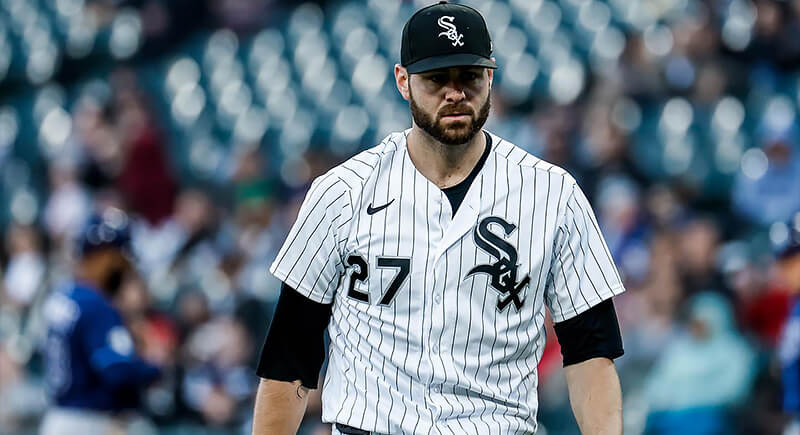
Social media once carried warnings. Lucas Giolito and Jack Flaherty sat through outdated presentations about staying quiet online. But those rules never made much sense to a generation raised on digital fluency. Now, many players treat online platforms as extensions of their voices rather than a risk to their image.
Cultural Identity No Longer Gets Mislabeled as Defiance

Credit: Wikimedia Commons
Carlos Gómez once triggered a backlash just for celebrating a home run. Fans and media labeled him arrogant. Today, things are different. Players are more vocal about how those reactions were racially coded. The league hasn’t fully solved that bias. But more people are recognizing it for what it is.
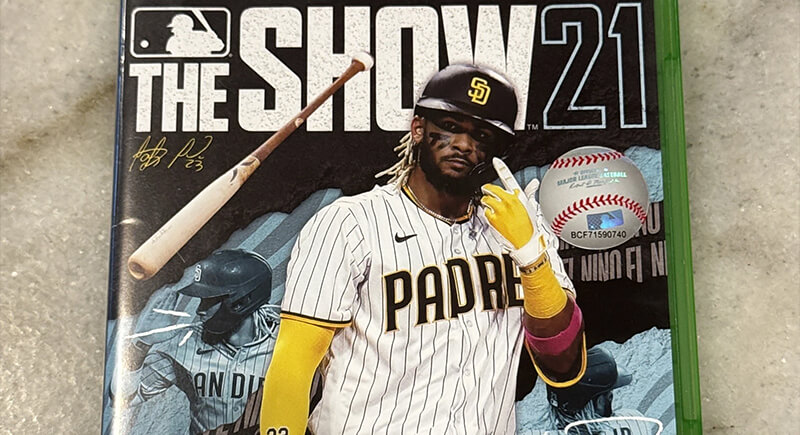
MLB Now Markets Players Through Personality
Credit: ebay
League marketing was focused on stats, not personalities. That has changed. Fernando Tatis Jr. landed the cover of MLB The Show. As youth engagement becomes a business priority, the league has shifted to promoting individuality as an asset rather than a problem.