10 Athletes Who Were Stripped of Their Medals
Olympic medals are supposed to be forever, but history shows that even gold can be stripped off. The International Olympic Committee and the Court of Arbitration for Sport have stripped medals for doping, paperwork failures, amateurism violations, and even judging disputes.
These are the athletes whose medals were revoked.
Jim Thorpe
Credit: Wikipedia
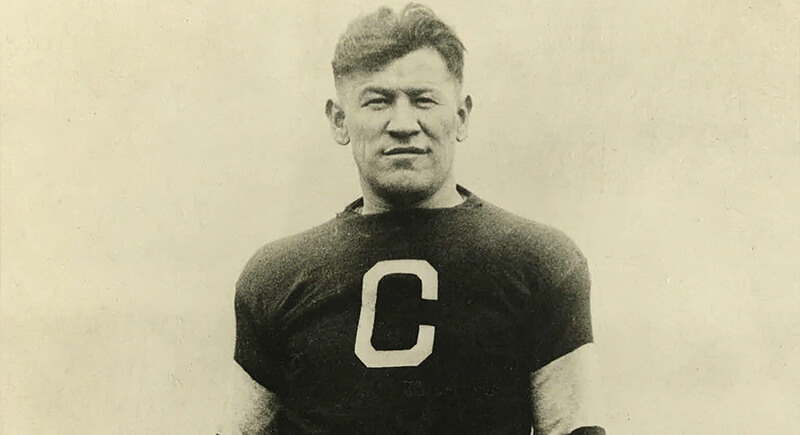
Nothing about the 1912 Stockholm Games suggested controversy when Jim Thorpe swept both the pentathlon and decathlon. The Native American athlete became a national hero and the first from his community to win Olympic gold for the United States. Then, in 1913, the IOC ruled that a small payment he had received for semi-pro baseball violated the strict amateurism rules. His medals were taken and reassigned. In July 2022, the IOC reinstated him as the sole gold medalist in both events, officially correcting a decision that had stood for 110 years.
Rick DeMont
Credit: Wikipedia
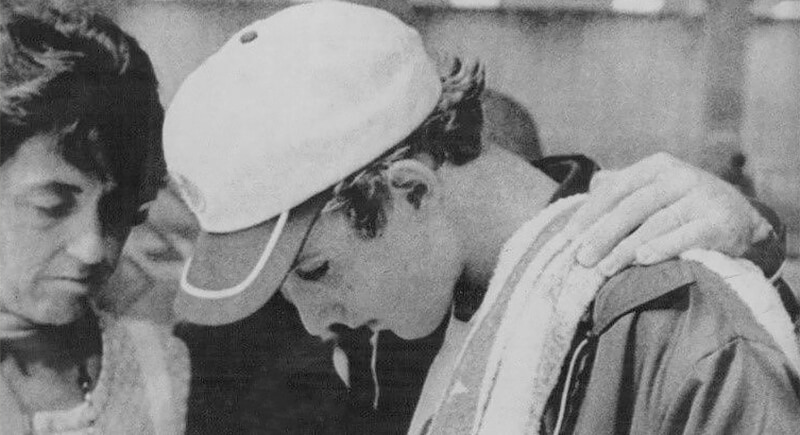
At age 16, Rick DeMont won the 400-meter freestyle at the 1972 Summer Olympics in Munich and set a world record. A post-race drug test later detected ephedrine in his system. The substance came from Marax, an asthma medication he had been prescribed and taken during the Games. Because the medication contained a banned substance and the U.S. team had not cleared it with officials, the International Olympic Committee disqualified him and stripped him of his gold medal. It has never been reinstated.
Lance Armstrong

Credit: Wikimedia Commons
For more than a decade, Lance Armstrong’s bronze medal from the 2000 Sydney Olympic time trial sat untouched. His third-place finish survived years of speculation about doping in professional cycling. In 2013, after admitting to using performance-enhancing drugs throughout his career, he was ordered to return the medal. The IOC erased his Olympic result and imposed a lifetime ban from Olympic sports. His Tour de France titles, dating back to 1998, were also vacated.
Marion Jones

Credit: Wikimedia Commons
At the 2000 Summer Olympics in Sydney, Marion Jones won five medals in track and field: three gold and two bronze in sprint and relay events. In 2007, she admitted to a federal grand jury that she had lied about using performance-enhancing drugs. Later that year, the International Olympic Committee stripped all five of her Olympic medals. A U.S. federal court sentenced her to six months in prison and two years of supervised release.
Tyler Hamilton

Credit: Wikimedia Commons
Suspicion hovered over Tyler Hamilton long before his gold medal disappeared. At the 2004 Athens Olympics, he won the individual time trial despite a positive A sample linked to blood doping. Since his B sample had been frozen, the result could not be confirmed at the time. In 2011, he publicly admitted to doping and surrendered the medal to the U.S. Anti-Doping Agency. The IOC officially stripped him in 2012.
Jordan Chiles

Credit: Wikimedia Commons
During the floor exercise final at the 2024 Summer Olympics in Paris, Jordan Chiles moved from fifth place to bronze after her coach submitted a difficulty inquiry that increased her score. The Romanian Gymnastics Federation protested, arguing the inquiry was submitted after the one-minute deadline. A judge from the Court of Arbitration for Sport agreed, and the bronze medal was revoked five days later. In January 2026, the Swiss Federal Supreme Court sent her appeal back to CAS to review new timing evidence.
Hans-Gunnar Liljenwall
Credit: Wikipedia
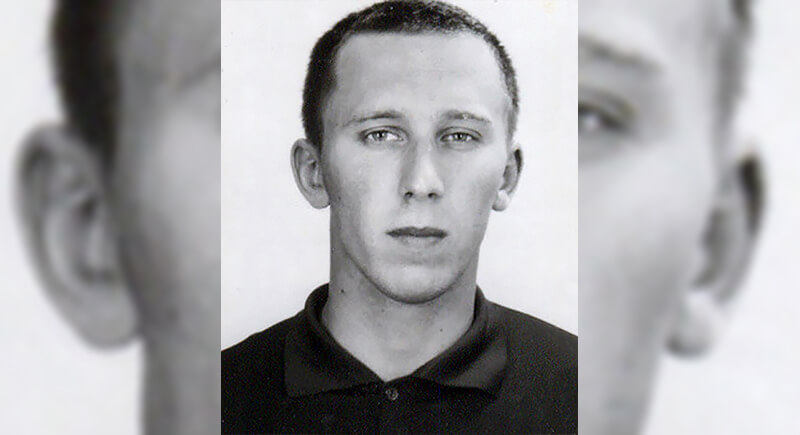
Two beers before the competition changed Hans-Gunnar Liljenwall’s place in Olympic history. At the 1968 Mexico City Games, the Swedish pentathlete drank alcohol the night before the shooting event. Testing revealed elevated alcohol levels, which made him the first athlete stripped of an Olympic medal for doping. Sweden lost its team bronze medal as a result. Alcohol remained on the banned list for decades before being removed in 2018.
Ben Johnson
Credit: Youtube
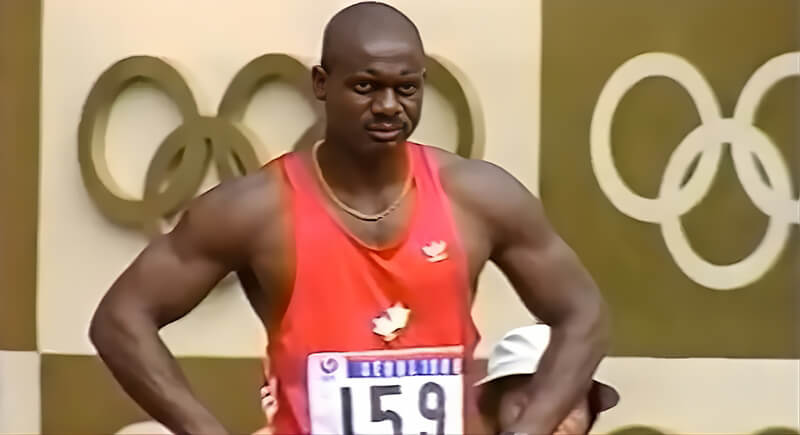
A world record of 9.79 seconds lit up the stadium at the 1988 Seoul Olympics. Ben Johnson crossed the finish line first in the 100-meter final and shattered the existing record. Days later, testing detected steroids in his sample. Officials stripped him of the gold medal and erased the record from the books. Carl Lewis moved up from silver to gold, and multiple finalists in that race later tested positive for doping.
Antonio Pettigrew
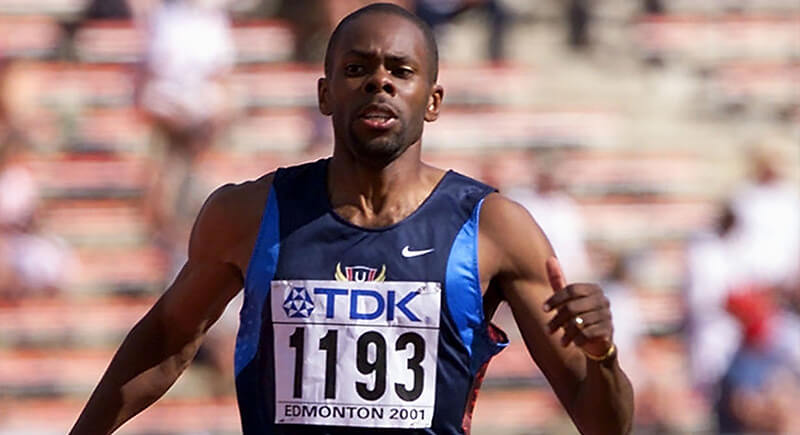
Credit: Wikipedia
Years after the cheers faded in Sydney, Antonio Pettigrew admitted to using human growth hormone between 1997 and 2001. He had helped the United States win gold in the 4×400-meter relay at the 2000 Olympics. Even without a positive test from that specific race, his sworn confession triggered action. The IOC stripped the entire relay team of its gold medal. Teammates who had not tested positive in that event still lost their podium finish.
Robert Fazekas

Credit: Youtube
A gold medal throw of 70.93 meters placed Robert Fazekas at the top of the podium in the discus at the 2004 Athens Olympics. After the event, officials required him to provide a full urine sample under direct observation. He produced only a partial sample and refused to continue the process. The IOC determined that he had violated anti-doping procedures. His gold medal was stripped and awarded to the next competitor in the standings within days.