10 Athletes Who Left Sports to Become Hollywood Stars and Politicians
A professional sports career demands discipline, consistency, and public visibility. Some athletes have taken those qualities beyond competition by moving into fields like entertainment and politics. While film sets and public offices differ from stadiums, these individuals have applied the same focus and presence to build new careers. Their transitions show how skills developed in sports can support long-term success in entirely different arenas.
Dwayne Johnson
Credit: Wikimedia Commons
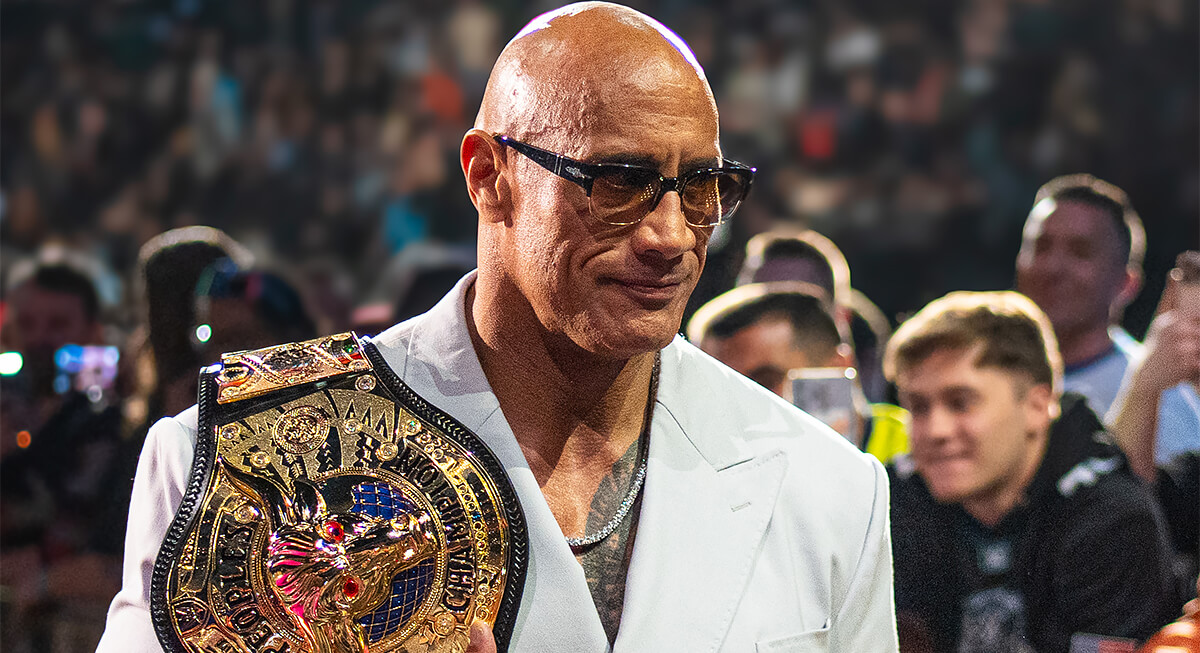
Dwayne Johnson’s college football career stalled due to injuries, and a brief stint in Canadian football ended with little promise. Wrestling changed everything and turned him into a WWE champion and global draw. Hollywood soon took notice. Dwayne Johnson went on to headline franchises like Fast & Furious and Jumanji, and in 2018, Forbes named him the highest-paid actor in the world.
Arnold Schwarzenegger
Credit: Wikimedia Commons
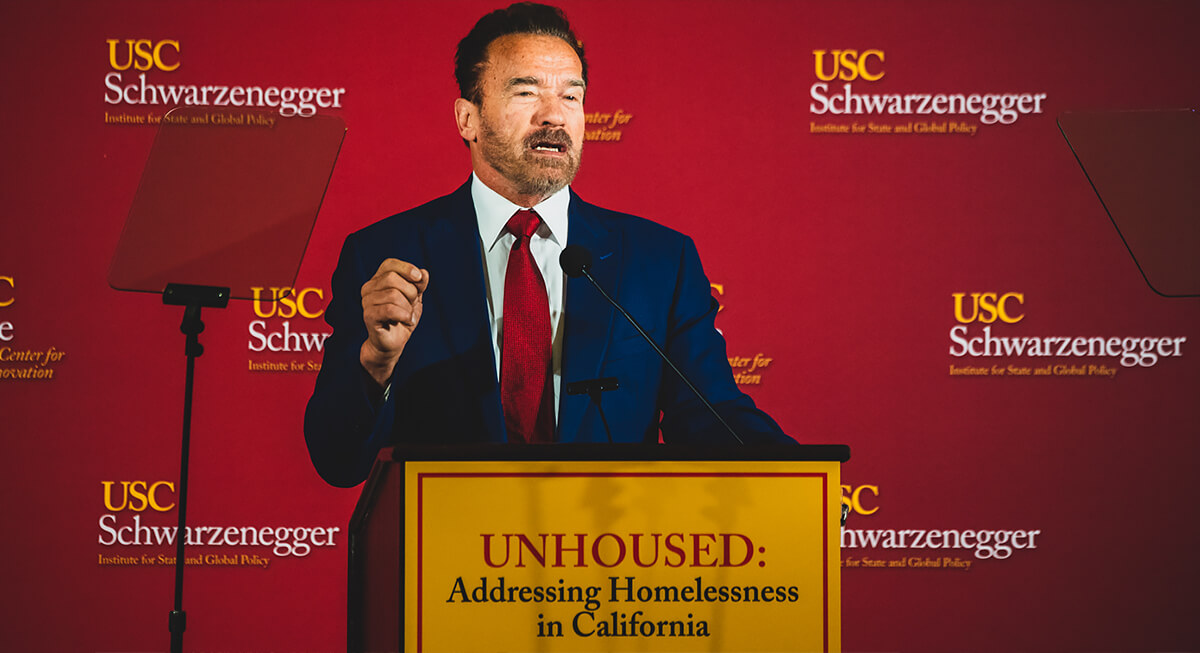
For Schwarzenegger, his bodybuilding titles came first, including seven Mr. Olympia titles that made him a dominant figure in the sport. He began acting by defining roles in films like The Terminator. Years later, he entered California politics during the 2003 recall election. As governor, he served two terms and became closely associated with policies focused on reducing greenhouse gas emissions.
Manny Pacquiao
Credit: Wikimedia Commons
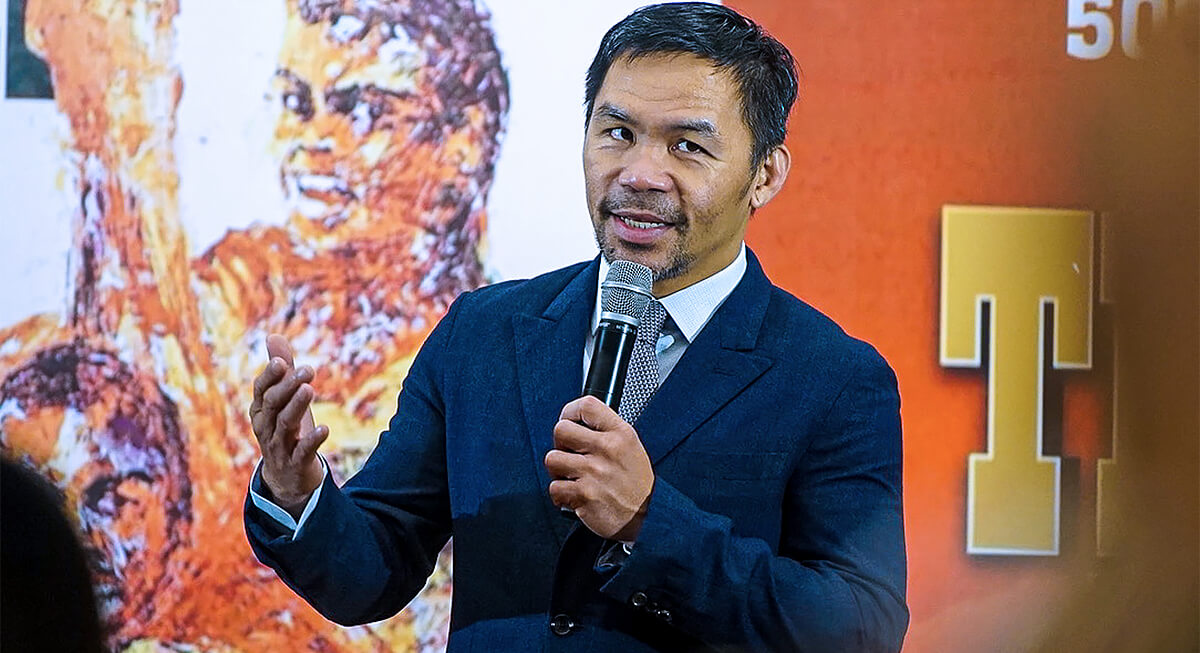
Manny Pacquiao’s boxing record includes world titles in eight weight divisions, a rare feat that set him apart in the sport. Political ambitions ran alongside his later fights. After earlier losses, he won a congressional seat in 2010. By 2016, he secured a Senate position with over 16 million votes.
Terry Crews
Credit: Wikimedia Commons
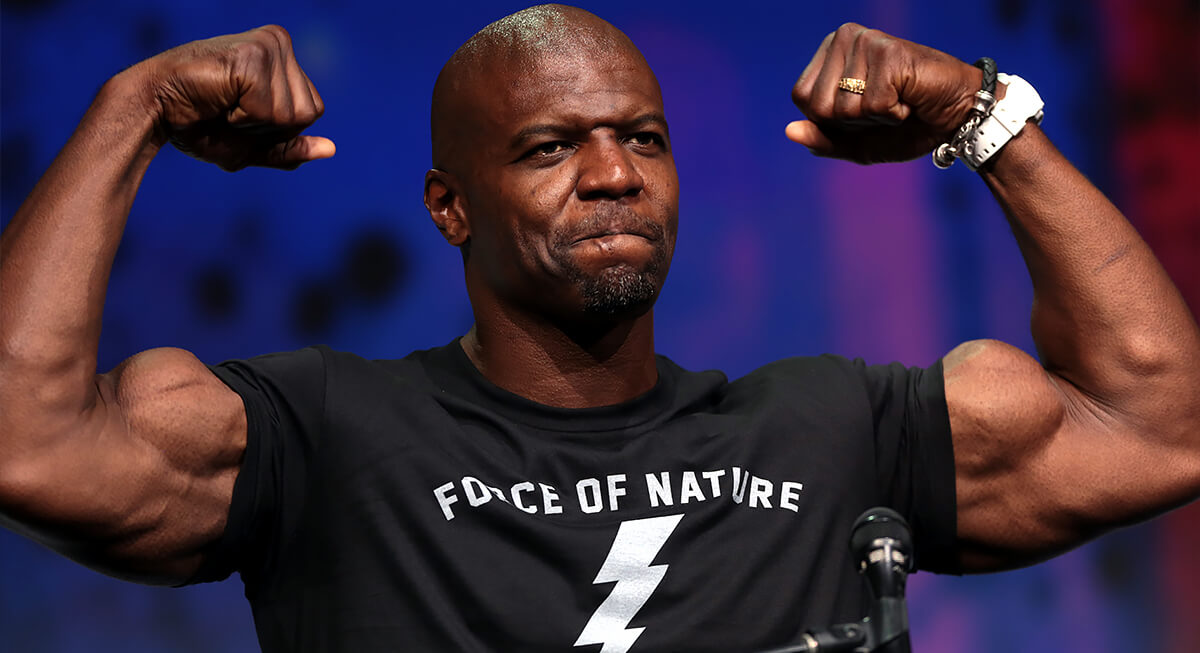
Terry Crews arrived in Los Angeles with NFL experience and little else to rely on. His first jobs outside football had nothing to do with entertainment, but his persistence paid off when small acting roles started to appear. His ability to deliver physical comedy led him to shows like Brooklyn Nine-Nine, where he became a recognizable face far beyond sports fans.
Jason Statham
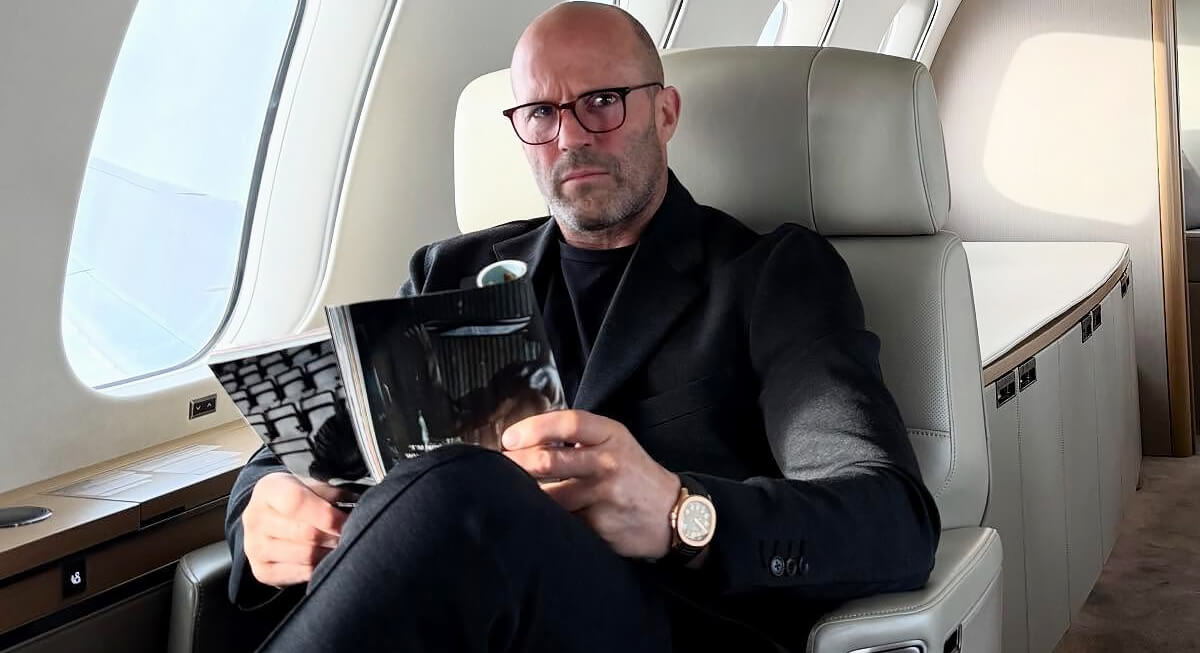
Credit: Instagram
Jason Statham trained for competitive diving for years, even representing Britain at the 1992 World Championships. This background shaped how he approaches action scenes. He performs many of his own stunts. Directors often cast him for roles that demand precision and control, such as his work in The Transporter.
Kevin Johnson
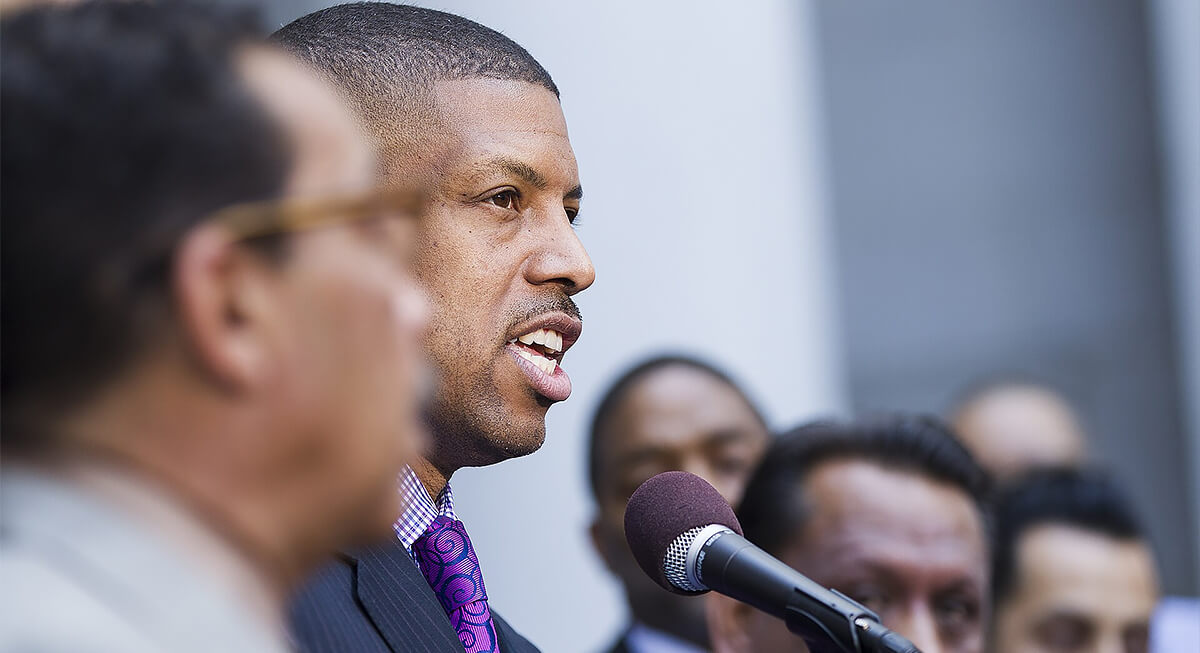
Credit: Wikimedia Commons
Kevin Johnson’s NBA career placed him among the league’s top point guards during the late 1980s and 1990s. After retirement, he focused on education initiatives and community programs. This local involvement built credibility. His 2008 mayoral win led to efforts to keep the city’s NBA team from relocating.
Vinnie Jones

Credit: Instagram
Vinnie Jones didn’t need to adjust much when he stepped into acting. His football career had already created a public image built on intensity. Film directors leaned into that reputation by casting him in roles that mirrored his style of play. His performance in Snatch gave audiences a clear sense of how naturally he fit into that space.
Dave Bing
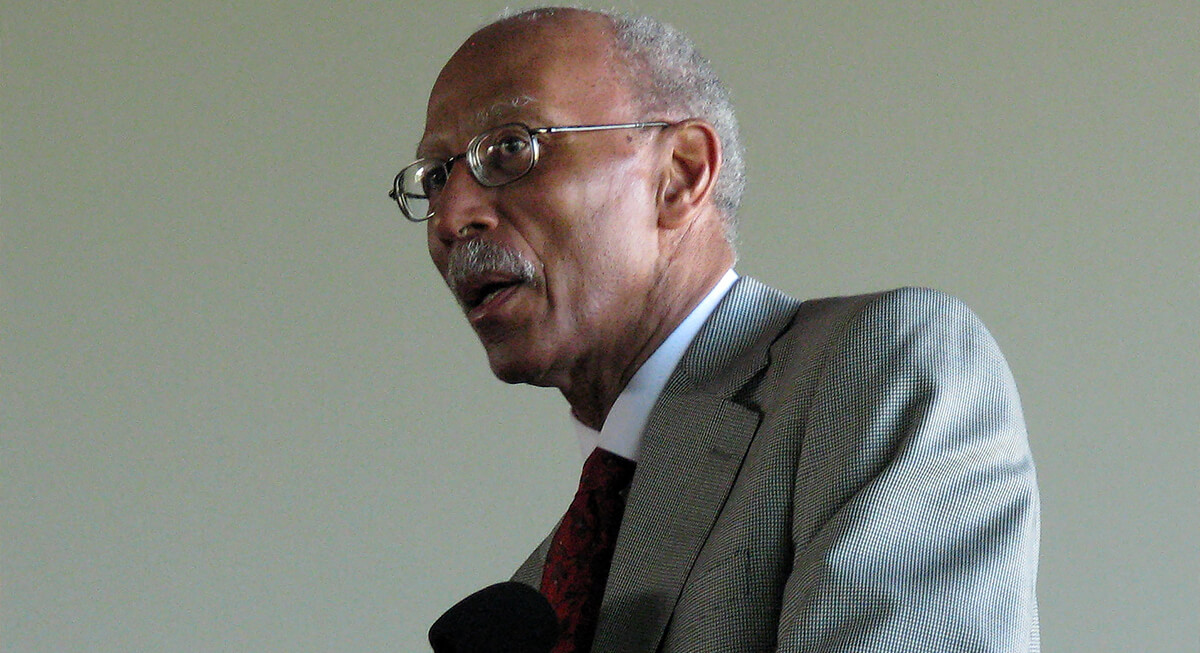
Credit: Wikimedia Commons
After an NBA career with All-Star selections and Hall of Fame recognition, Dave Bing built a manufacturing company that earned national recognition. The experience shaped his approach when he became Detroit’s mayor during a period of economic strain. His administration focused on restructuring city services and addressing financial challenges.
Carl Weathers
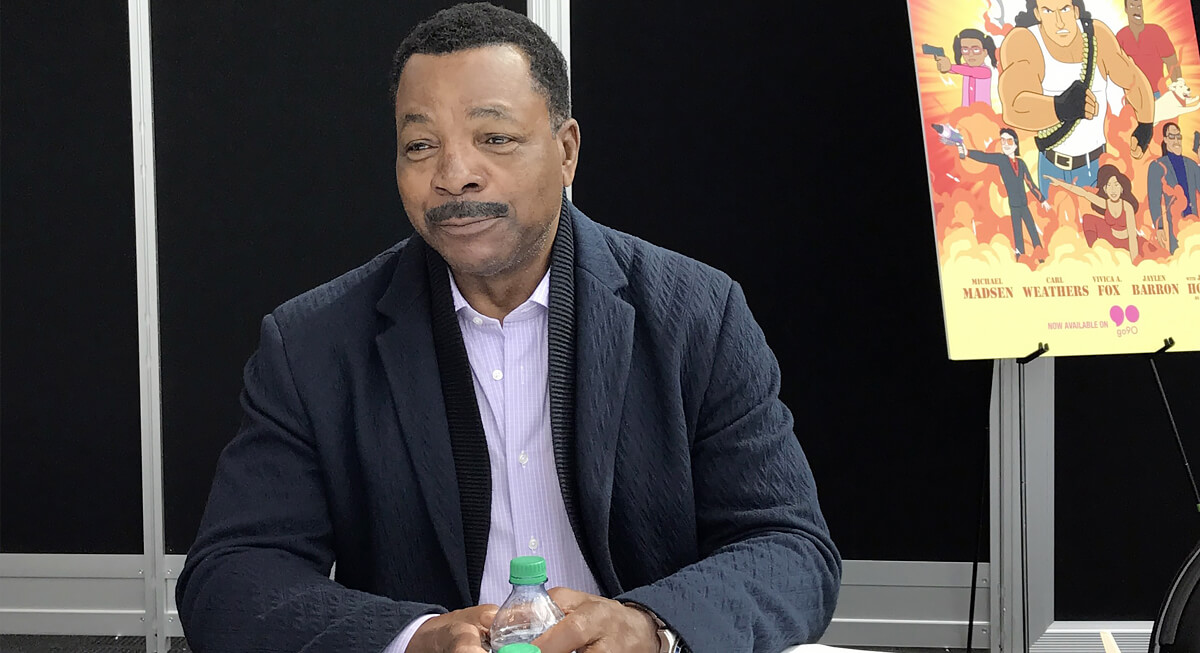
Credit: Wikimedia Commons
Carl Weathers’ time in the NFL was brief. Acting became his long-term focus after leaving football. His portrayal of Apollo Creed in the Rocky films became central to the franchise’s identity. The role carried emotional weight and physical demands. Over time, he also expanded into directing.
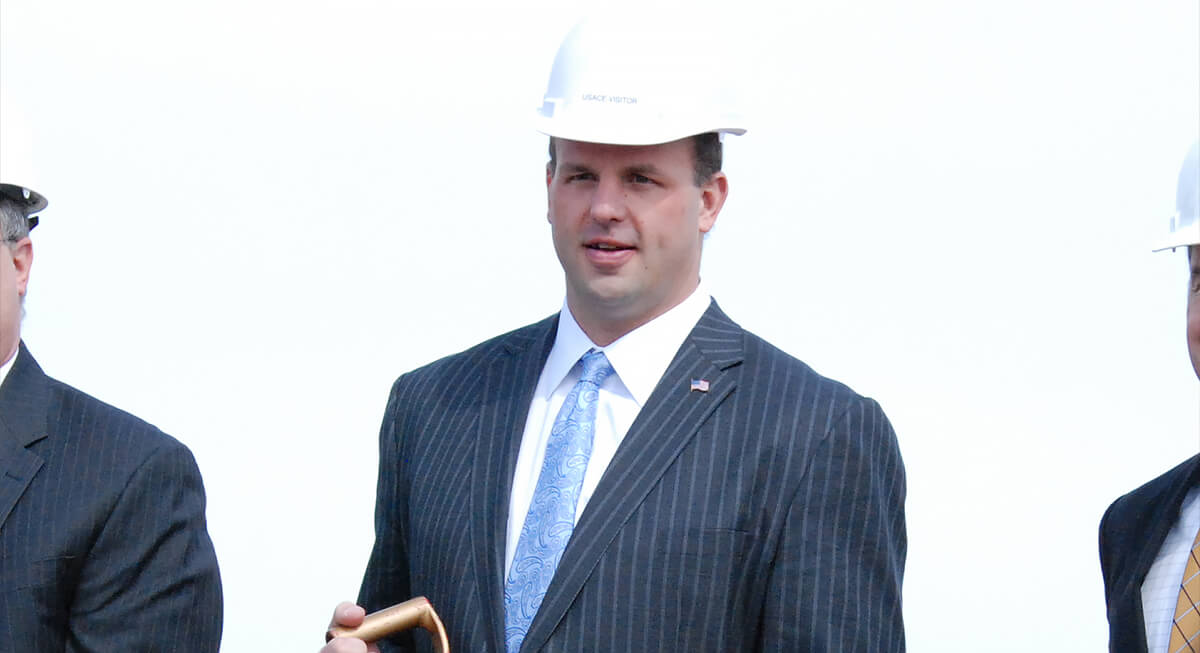
Jon Runyan
Credit: Wikimedia Commons
Jon Runyan’s NFL career stood out for durability. He started nearly every game for years and often faced the league’s toughest defensive players. After winning a congressional seat in 2010, he focused on labor and economic issues tied to his background.