
From repeatable sprint testing to fewer weather-related practice disruptions, here's how a consistent field can change what high school teams get done week to week.
Speed you can measure, not just brag about

I can tell you exactly when our coaches stopped arguing about whether we were "getting faster" and started acting like we were. It was the first fall we had consistent footing for sprint work and team periods, and our 10-yard splits stopped swinging like a weather vane. Before that, you could hit a great flying 20 on Tuesday and then feel like you were running in sand on Thursday because the grass got chewed up during a girls' soccer match, the grounds crew watered to save it, and the top layer went slick by fifth period. You still trained. You just couldn't trust what the stopwatch was telling you.
A well-maintained synthetic field can make speed testing more repeatable by reducing some of the surface variation that comes with heavily used natural grass. When you run the same 10-yard start in the same lane, in the same cleats, on the same surface, the coach can stop guessing and start programming. If the sophomore corner is stuck for three weeks at a time, that turns into a conversation about shin angles and stiffness in the first two steps, not a shrug about the field being "dead." Even basic tools like a Freelap timing chip or phone video at 240 fps get more useful because you're not fighting surface noise.
It shows up in game speed too, especially for sports that live in the first three steps. For football, soccer, lacrosse, and other field sports, a more consistent playing surface can make footing less variable from one practice to the next. The part people miss is practice tempo: predictable footing can make it easier for coaches to run drills at the intended pace instead of adjusting sessions around worn or wet areas.
Cuts, not slips: why the slot receiver and the winger benefit most
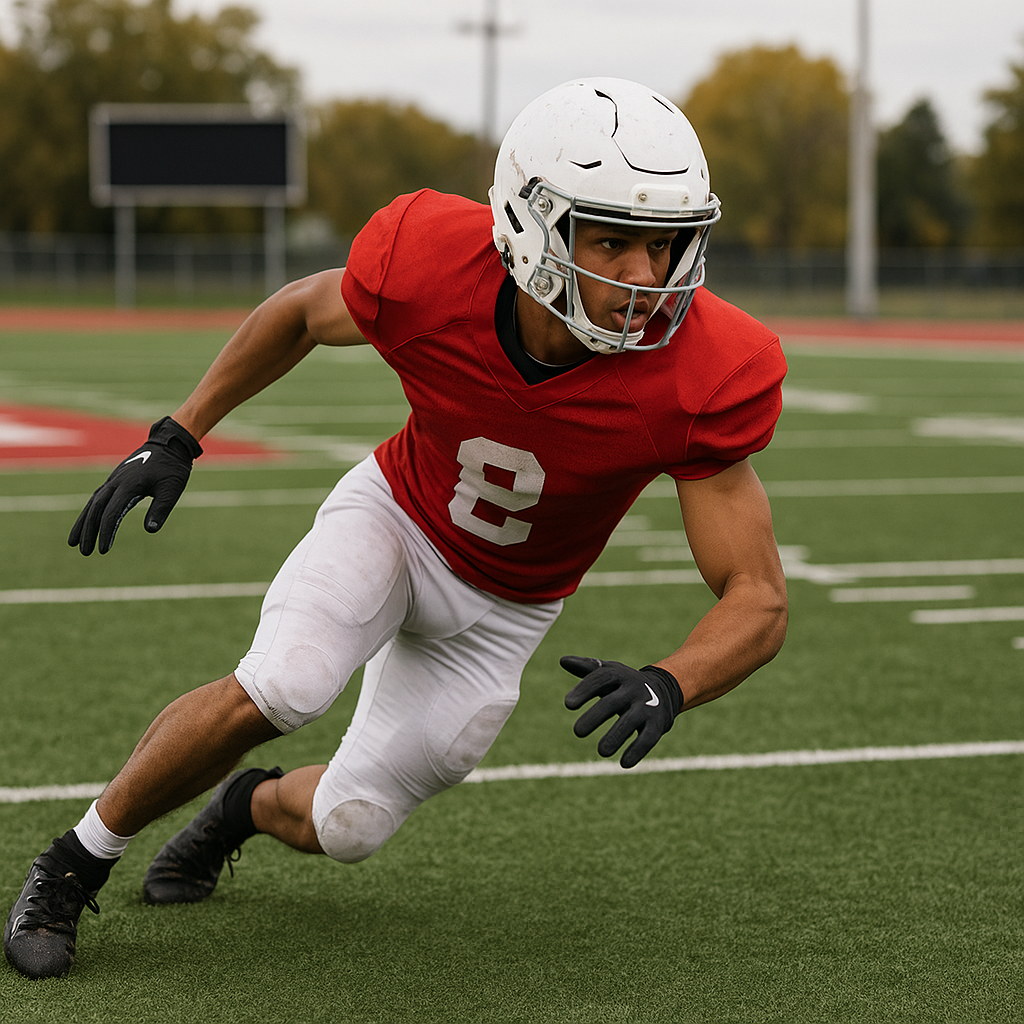
If you're trying to understand performance gains, skip the highlight-reel straight-line sprints and watch the 2-step decel. That's where surfaces expose you. On worn grass, the cut is a negotiation. Players may round routes, take an extra gather step, or plant earlier when a worn or muddy field makes footing unpredictable. Coaches call it playing under control, but a lot of the time it's just survival speed.
When footing stays relatively consistent, coaches may find it easier to practice route depths and spacing under similar conditions from session to session. A slot receiver can hit a 5-yard out at 5 yards. A winger in soccer can rehearse the same chop, inside fake, and outside burst on a surface that is less affected by worn or muddy patches. For multi-sport athletes, a reliable outdoor practice space can also make fall training schedules easier to manage before winter sports take over the gyms. That crossover matters in a high school where the same kid is a safety on Friday, a shortstop in spring, and the one you need to guard the other team's best scorer in December.
There are also tactical knock-ons coaches love but don't always say out loud. You can call more timing-based stuff. In football, coaches can rehearse quick-game routes without adjusting landmarks around damaged patches. Soccer teams can practice pressing patterns across the full width of the field, while lacrosse teams can work on riding and approach angles under more consistent surface conditions.
I watched our staff go from simplifying the playbook after a week of rain to keeping the full menu, because the field stopped forcing conservative decisions. That's a performance change you can see on film: fewer rounded cuts, fewer wasted steps, more plays that look like they were drawn up.
More reps per week means sharper teams by playoff time
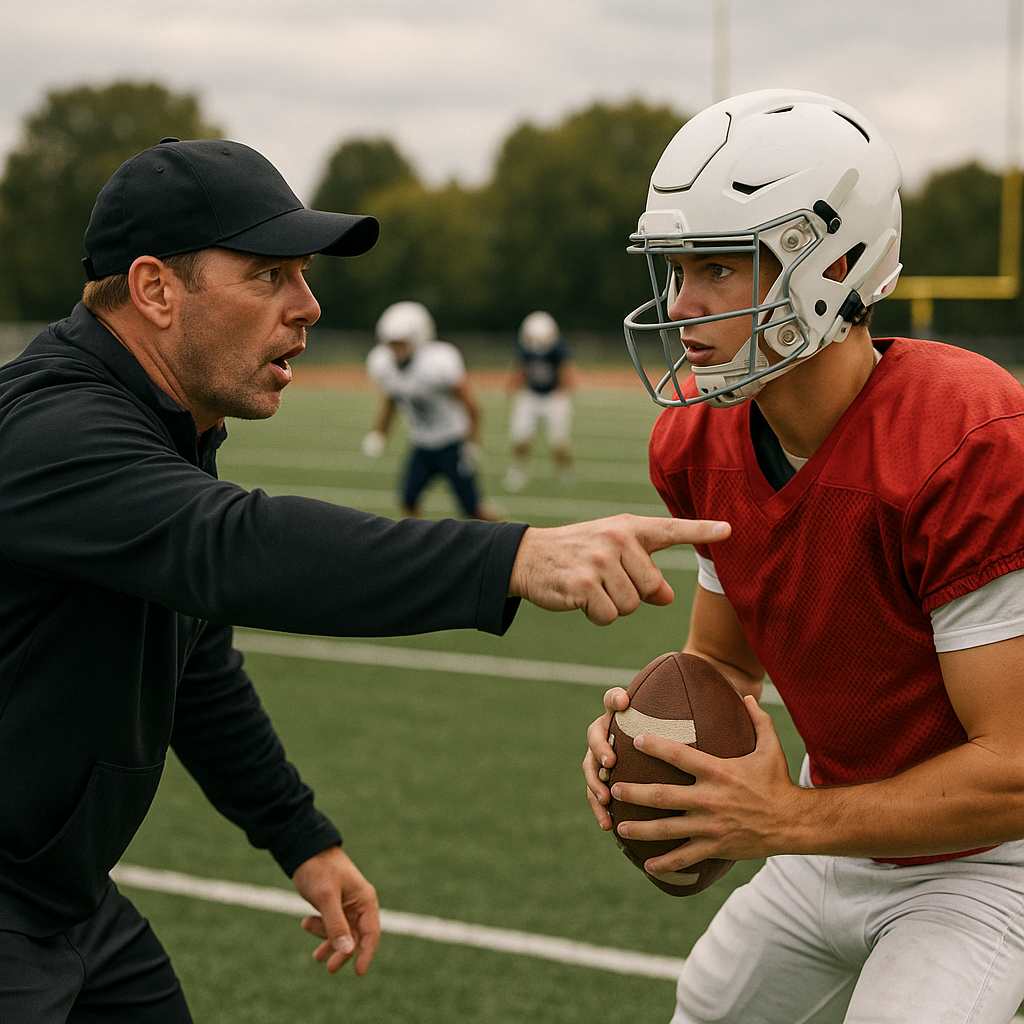
One of the strongest arguments for synthetic turf is scheduling. Compared with heavily used natural grass, it can remain playable through more periods of heavy use and wet weather. However, extreme heat and other unsafe conditions can still sideline a field. When the field holds up, a coach doesn't have to turn half the week into walk-throughs on the blacktop or squeeze everything into a gym where volleyball and basketball are already fighting for lines. More reps sound like a generic benefit until you watch what it does to execution by late October.
High school teams live and die on timing. The varsity quarterback doesn't need another motivational speech; he needs 18 more clean looks at the same coverage, with receivers running full-speed routes instead of throttling down to protect ankles in soft ground. The soccer team needs to hit the same pattern of play until the outside back and winger stop looking at each other like it's a new language. Field hockey and lacrosse need stickwork at game pace, which only happens when players can cut and re-accelerate without thinking about the surface.
Turf also reduces the practice tax that shows up after a wet weekend. On grass, the Monday after a Saturday tournament is often damage control: cones around the worst patches, no heavy contact, no full-team periods in the middle third because it's torn up. Then you get to Wednesday and realize you lost two real practices. With a consistent surface, the staff can plan a normal microcycle. Hard day, medium day, speed day. The athletes start recognizing the rhythm, and that matters when you have freshmen playing meaningful snaps because the roster is thin.
By playoff time, those additional full-field practice opportunities can matter. More chances to rehearse spacing, assignments, and timing give coaches another way to clean up execution before important games. Turf doesn't coach the team, but it stops the calendar from coaching against you.