17 Dumb Sports Rules Prove Change Was Long Overdue
Sports constantly evolve to keep up with the times, but some rules stuck around far longer than they should have. From baffling decisions to outright unfair practices, these outdated regulations left fans scratching their heads and players shaking their fists. Thankfully, change eventually came to the rescue. Here are 17 sports rules so absurd, their updates were long overdue.
NFL: Sudden Death Overtime Rules
Credit: flickr
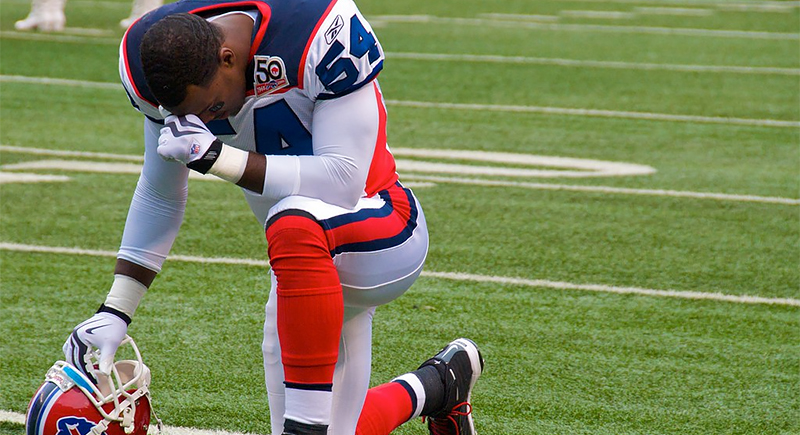
Before 2012, NFL overtime used sudden death rules, allowing the first team to score to win, even if it was just a field goal. Critics argued it unfairly favored the team that won the coin toss. The NFL updated the rule, ensuring both teams have an offensive possession in postseason overtime.
NHL: No Helmets Required
Credit: flickr
Until 1979, NHL players were not required to wear helmets, leading to serious safety concerns. The league introduced mandatory helmet use, but players already in the league were exempt. It took decades for helmets to become standard as older players retired.
MLB: Tie-Breaker Coin Flip

Credit: iStockphoto
In the 1960s, MLB teams facing a tied division often determined playoff berths with a coin flip instead of a tie-breaker game. The coin flip was replaced with a more competitive tie-breaker system, ensuring outcomes reflected team performance on the field.
NBA: No Dunking Allowed
Credit: flickr
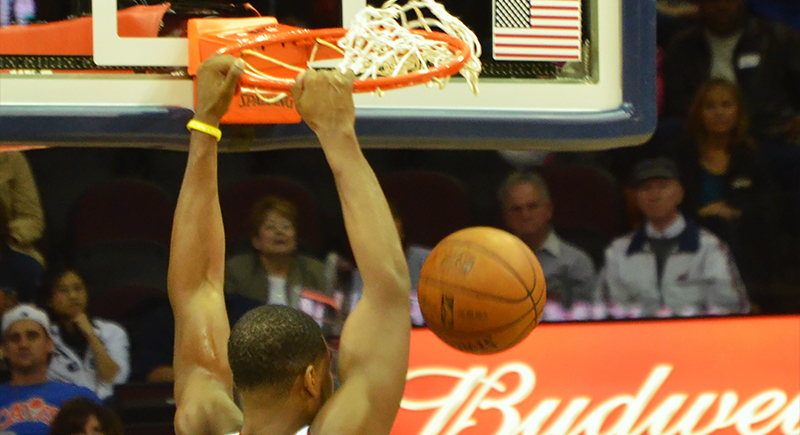
From 1967 to 1976, the NCAA banned dunking, citing player safety and claims that it gave taller players an unfair advantage. The ban stifled creativity and excitement in basketball until it was lifted. The return of dunking redefined the sport’s energy and skill showcase.
NFL: Pass Interference Spot Fouls
Credit: flickr
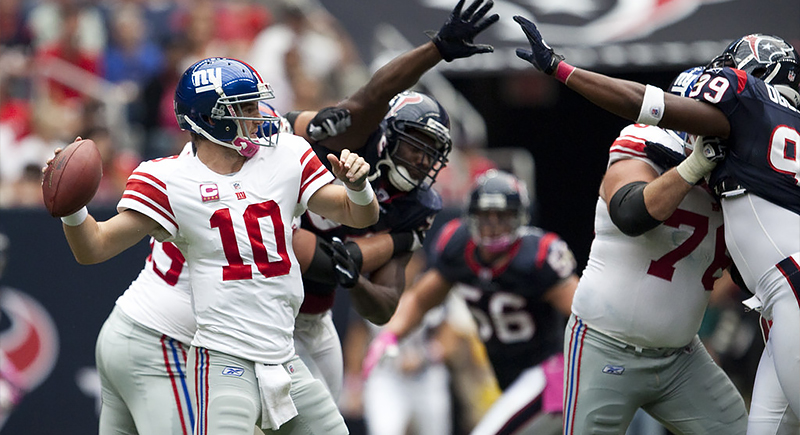
Pass interference penalties were once marked at the spot of the foul, even for minor infractions, leading to massive gains for offenses. In 2020, the rule was adjusted to a 15-yard penalty for college football to prevent unfair advantages while maintaining fairness.
Golf: No Caddies for Women

Credit: flickr
In the early 20th century, women’s professional golf tournaments barred female players from using caddies. This sexist rule forced them to carry their own clubs, putting them at a physical disadvantage. The rule was abolished as women’s sports evolved toward equality.
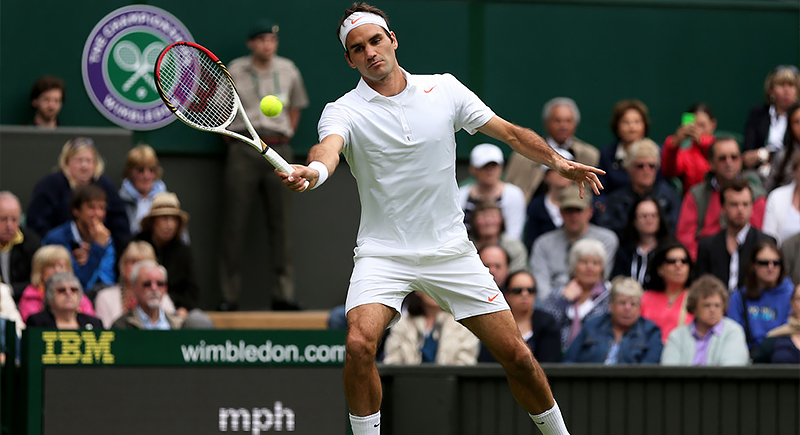
Tennis: Tie-Breakers Were Forbidden
Credit: flickr
Before 1970, tennis matches could go on indefinitely because tie-breakers didn’t exist. Wimbledon famously had matches lasting hours, exhausting players and fans. The introduction of tie-breakers at 6-6 in a set allowed games to end more efficiently while retaining competitive intensity.
Soccer: No Substitutions Allowed

Credit: flickr
In soccer’s early days, substitutions weren’t permitted, even for injured players. Teams had to play short-handed if someone was hurt. This rule was replaced with a fairer system, allowing teams to replace injured players and make tactical adjustments, improving the game’s quality and fairness.
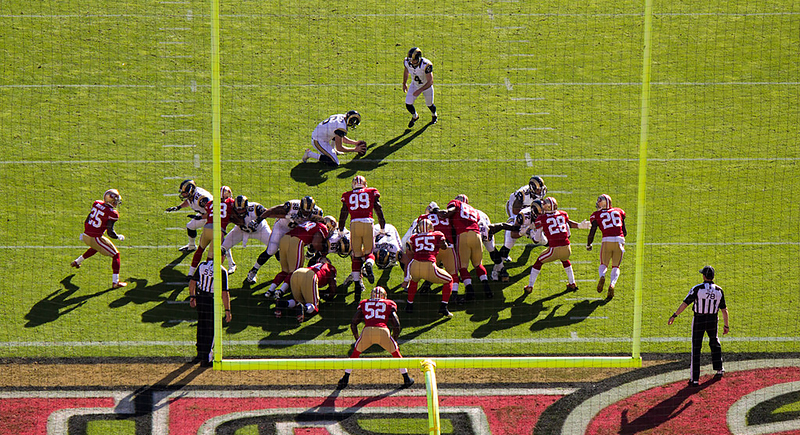
NFL: No Two-Point Conversions
Credit: flickr
Until 1994, the NFL only allowed one-point extra kicks after touchdowns. This limited strategic options for teams needing a comeback. The introduction of the two-point conversion added excitement and strategic depth, giving offenses more control in high-pressure situations.
MLB: Intentional Walks Required Four Pitches

Credit: flickr
Pitchers previously had to throw four wide pitches to execute an intentional walk. This time-wasting practice was replaced in 2017 with a rule allowing managers to signal for an intentional walk without throwing a pitch. The change sped up games and eliminated unnecessary delays.
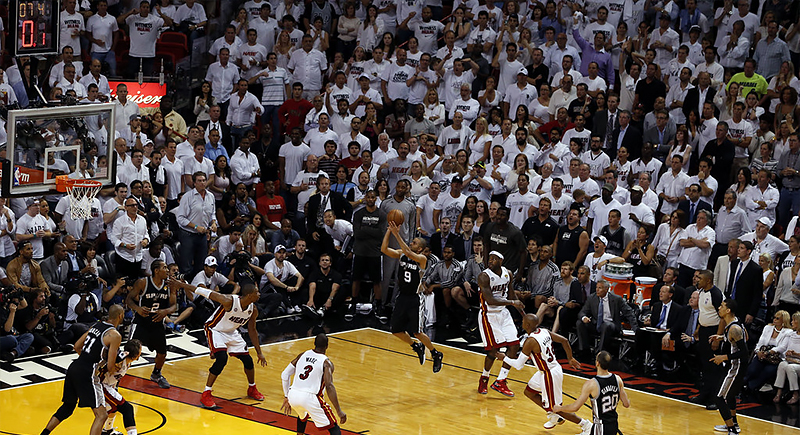
Basketball: No Shot Clock
Credit: flickr
Before 1954, basketball teams could hold the ball indefinitely, stalling games and frustrating fans. The introduction of the 24-second shot clock revolutionized basketball, forcing faster play and creating more scoring opportunities. It remains one of the most significant changes in sports history.
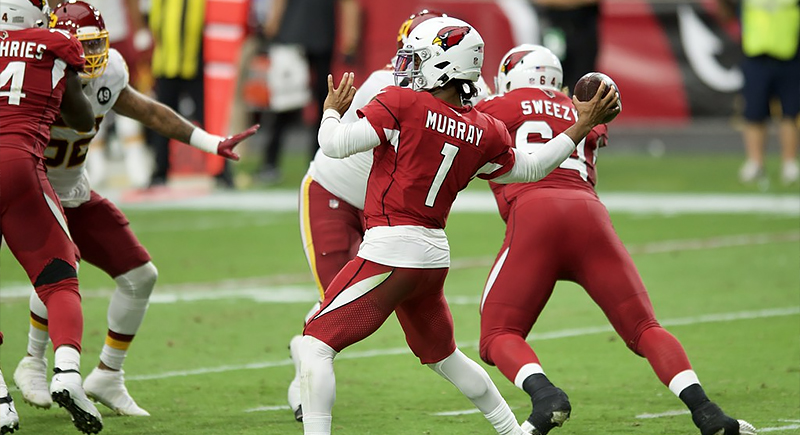
NFL: Tuck Rule Controversy
Credit: flickr
The controversial “Tuck Rule” stated that if a quarterback’s arm was moving forward during a fumble, it would count as an incomplete pass. This rule caused confusion and controversy, including during the 2001 AFC playoffs. It was abolished in 2013, simplifying fumble rulings.
NHL: Goaltender Can’t Leave the Crease
Credit: flickr
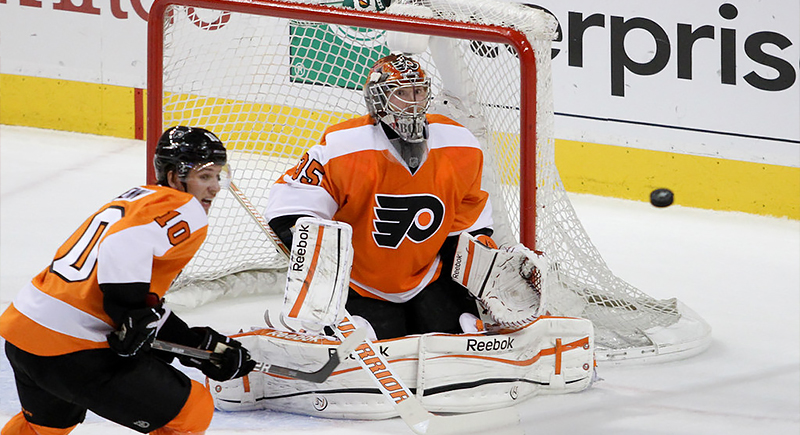
In the 1960s, NHL goalies were penalized for leaving the crease to play the puck. This rule limited their ability to help their team defensively. The restriction was later removed, giving goalies more freedom and improving the pace of the game.
MLB: Managers Allowed on the Field
Credit: flickr
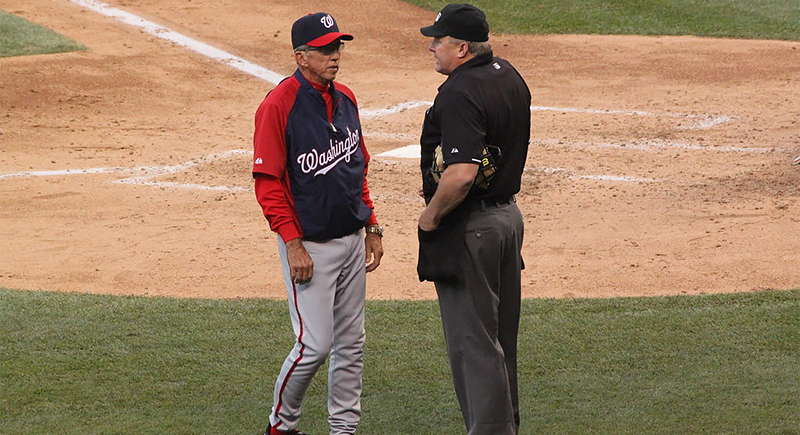
In baseball’s early years, managers frequently walked onto the field during games, arguing calls and delaying play. This disruptive practice led to modern rules restricting managers to the dugout unless making a substitution or official appeal. The change streamlined gameplay and minimized interruptions.
NFL: Defensive Holding Was Unpenalized
Credit: flickr
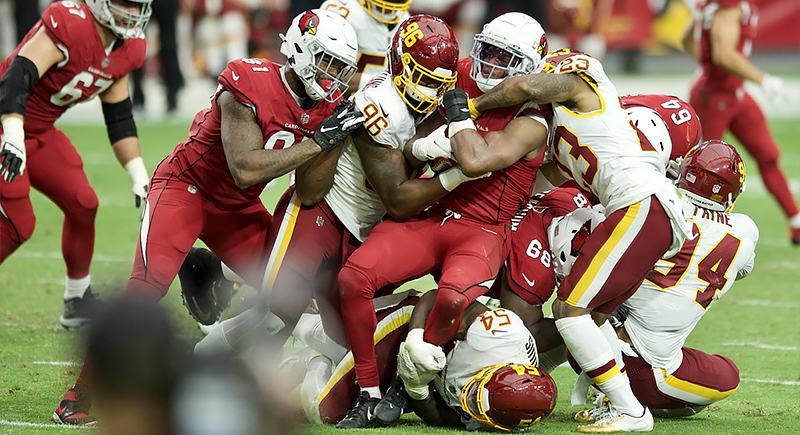
Until 1978, defensive players could hold or shove receivers without penalties, significantly limiting passing plays. The NFL introduced stricter rules to encourage passing and reduce defensive interference. This shift made football more dynamic and entertaining for fans, shaping the modern game we enjoy today.
Olympics: Professionals Allowed to Compete
Credit: Wikimedia Commons
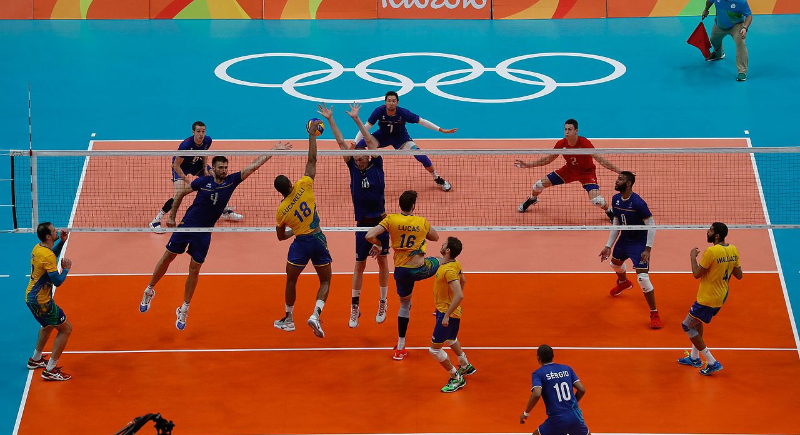
For decades, the Olympics strictly banned professional athletes, restricting the competition to amateurs. This kept top-tier athletes from participating, lowering the level of competition. In 1986, the International Olympic Committee (IOC) relaxed the rule, allowing professionals in many sports, which increased the intensity and excitement of the Games.
Hockey: Goalies Could Drop to Their Knees
Credit: Canva
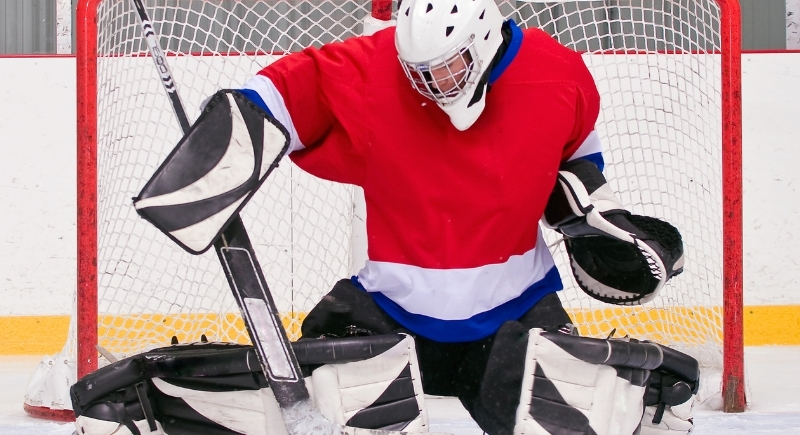
Until 1918, NHL goalies weren’t allowed to drop to their knees to block shots, forcing them into awkward, less effective positions. The rule was finally abolished, allowing goalies the freedom to use their full range of motion. This change improved the overall effectiveness and excitement of defensive play in hockey.