10 Athletes Whose Olympic Dreams Were Crushed by the 1980 Moscow Boycott
On January 20, 1980, President Jimmy Carter gave the Soviet Union a month to pull its troops out of Afghanistan. The Soviets ignored him, and the president decided a boycott of the 1980 Moscow Olympics was in order. More than 450 American athletes watched years of work become irrelevant overnight. For some of these athletes, it meant a four-year detour. For others, it meant never getting to the Olympics at all.
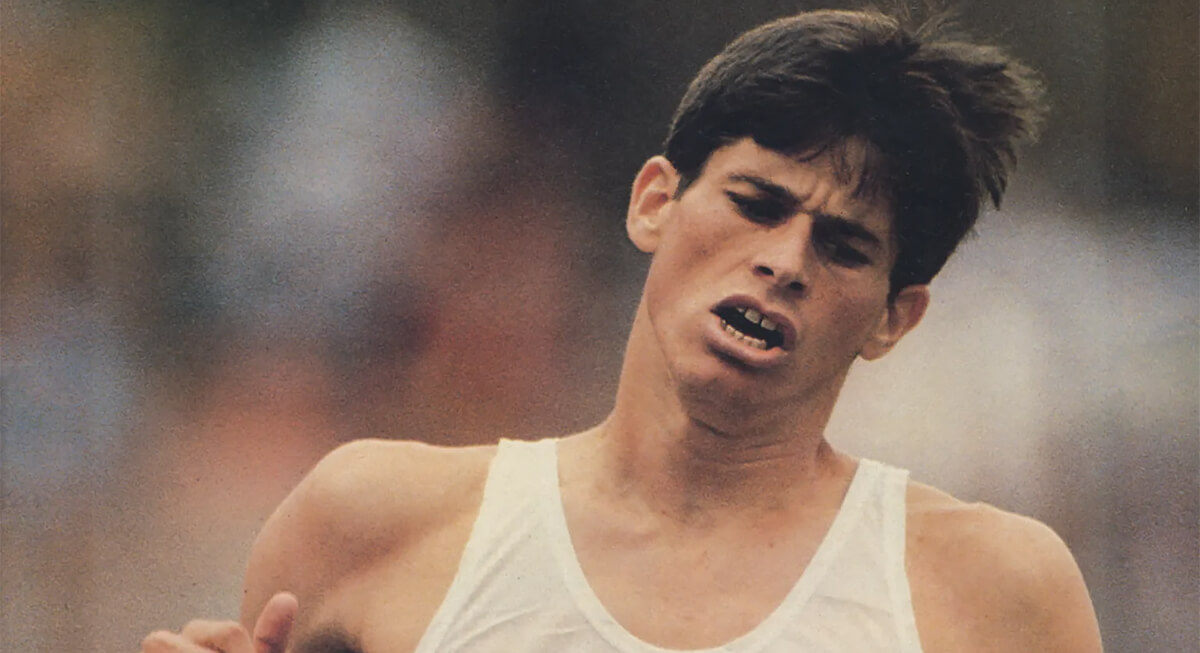
Don Paige
Credit: Blogger
In 1980, Don Paige ran the fastest 800m in the world at 1:44.53 and was ranked number one by Track and Field News. The Olympic final featured Sebastian Coe and Steve Ovett, while Don wasn’t in it due to the boycott. Weeks later, he raced Sebastian in Italy and beat him by 0.03 seconds. The American failed to qualify for the 1984 team, finishing fifth at the trials, and would never run at the Olympics.
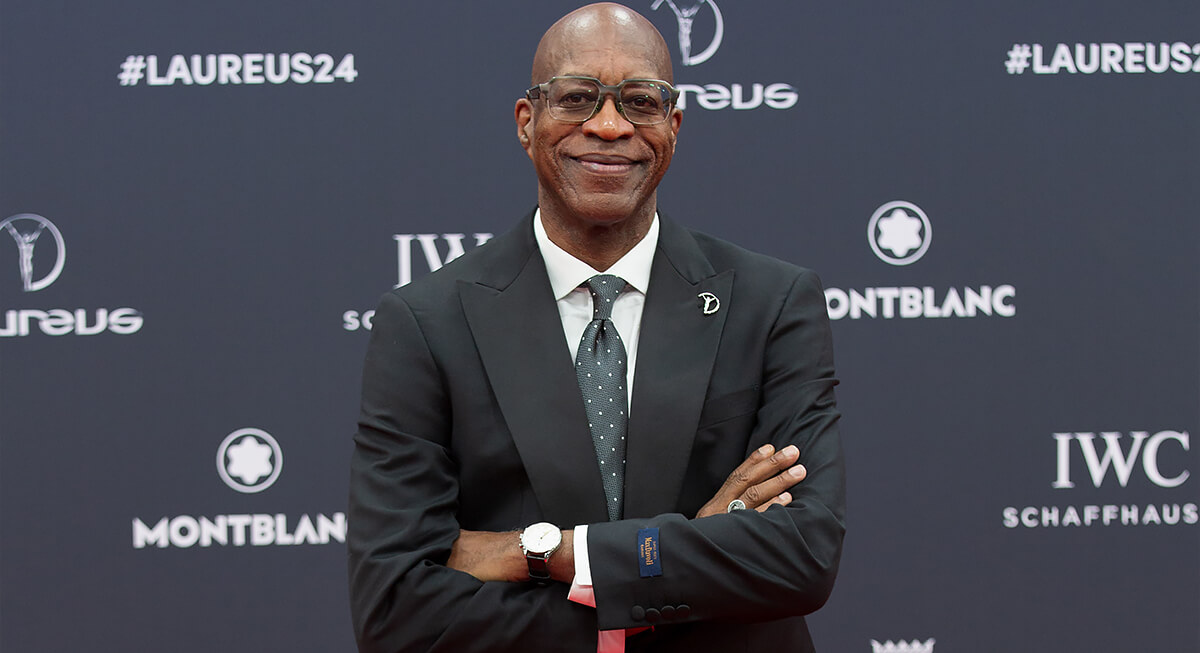
Edwin Moses
Credit: Wikimedia Commons
Edwin Moses went nearly 10 full years without losing a single 400-meter hurdles race. Between August 26, 1977, and June 4, 1987, he won 122 straight finals, one of the longest unbeaten streaks in track and field history. His dominance became even more obvious during the 1980 Olympic boycott. Since the United States did not compete in the 1980 Summer Olympics, Moses never got the chance to run for gold in Moscow. That same year, however, he competed at a meet in Milan and set a new world record of 47.13 seconds. The eventual Olympic gold medalist in Moscow won in 48.70 seconds, a time Moses had already beaten multiple times.
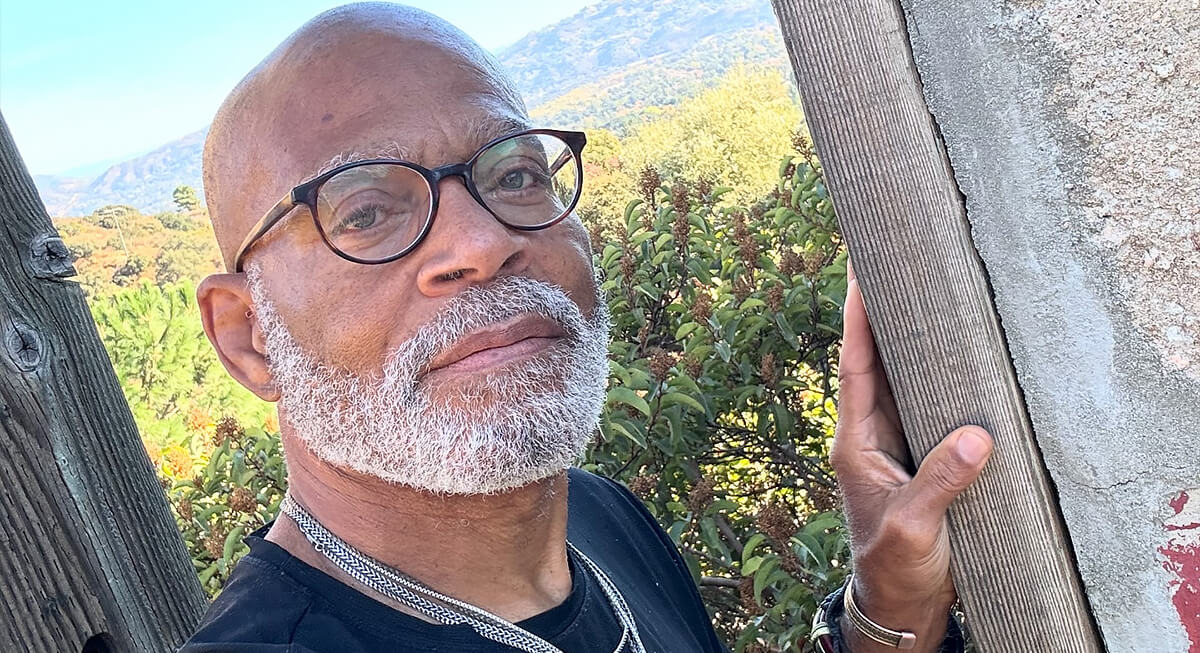
Lee Kemp
Credit: Instagram
With three world titles, seven national championships, and four World Cup wins, Lee Kemp was an overachiever by many standards. He was 21 when he became the youngest American world champion ever. His coach told him to ignore the boycott rumors, so we can only imagine his face when he heard the announcement anyway. Wrestling observers mostly agreed Lee was a heavy favorite at that weight in 1980, even though he never got to prove it at the Olympics.
Megan Neyer

Credit: Swim Across America
The only Olympic team Megan Neyer ever made was the 1980 edition, which she never competed in. She entered the 1984 and 1988 U.S. Olympic trials and missed both. In between, she became the winningest diver in NCAA history with eight NCAA individual diving titles and 15 U.S. national diving championships. Years later, she wrote a letter to Olympic hopefuls after the 2020 edition was rescheduled.
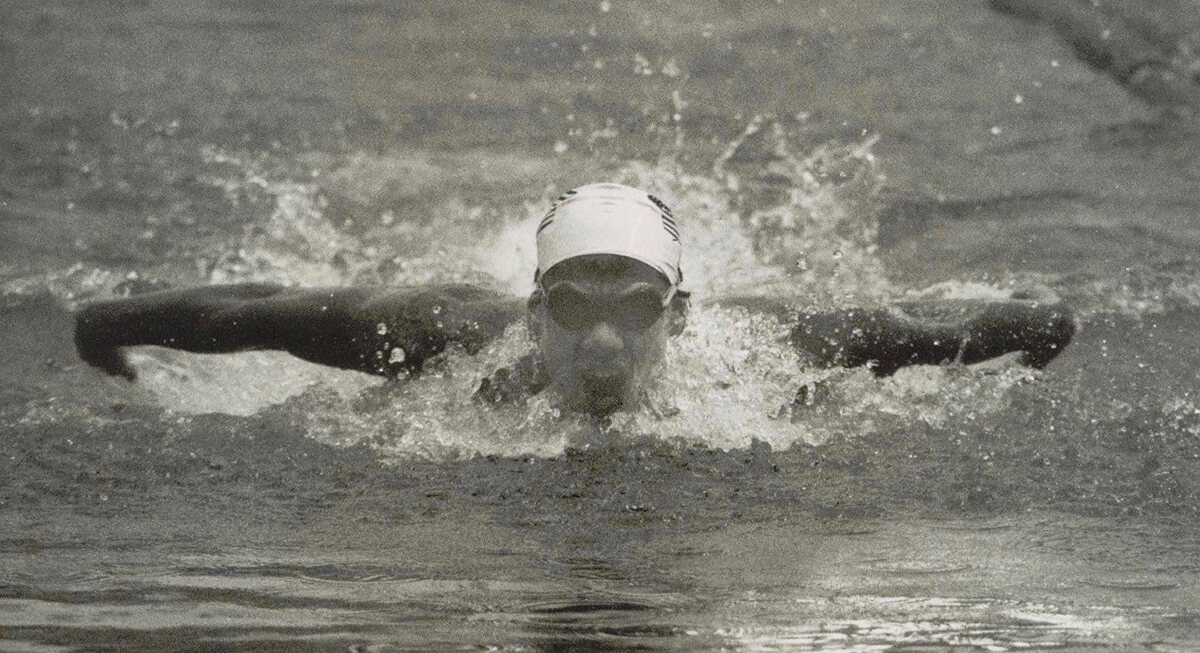
Craig Beardsley
Credit: International Swimming Hall of Fame
In 1980, Craig Beardsley set a world record of 1:58.21 in the 200-meter butterfly. The Soviet swimmer who won gold in Moscow that summer swam 1:59.76. Craig’s time was more than a second faster, and he never got to race it where it counted. He held the world record until 1983, then missed the 1984 Olympic team by 0.36 seconds and retired shortly at the age of 23.
Anita DeFrantz
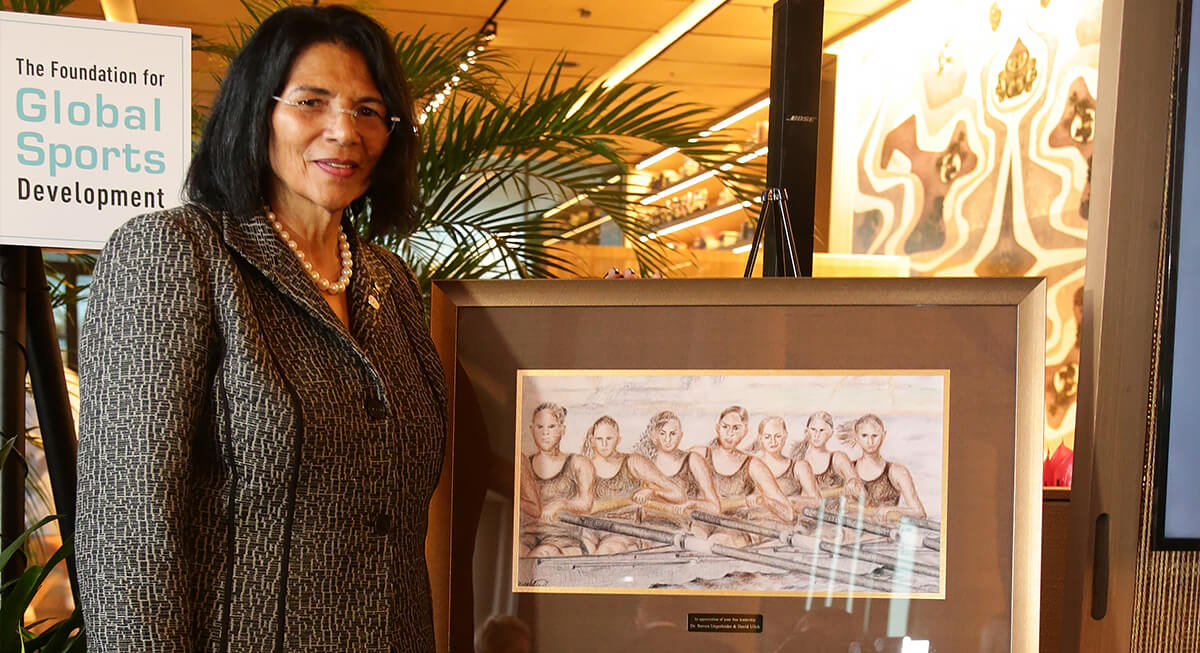
Credit: Wikimedia Commons
Not everyone took the boycott the same way. Anita DeFrantz had won a rowing bronze at Montreal in 1976 and must have hoped to better her record at Moscow. After the boycott, she sued the U.S. Olympic Committee, arguing that athletes deserved to compete. The case was dismissed. Years later, she was elected to the IOC and later served as its vice president.
Carol Blazejowski
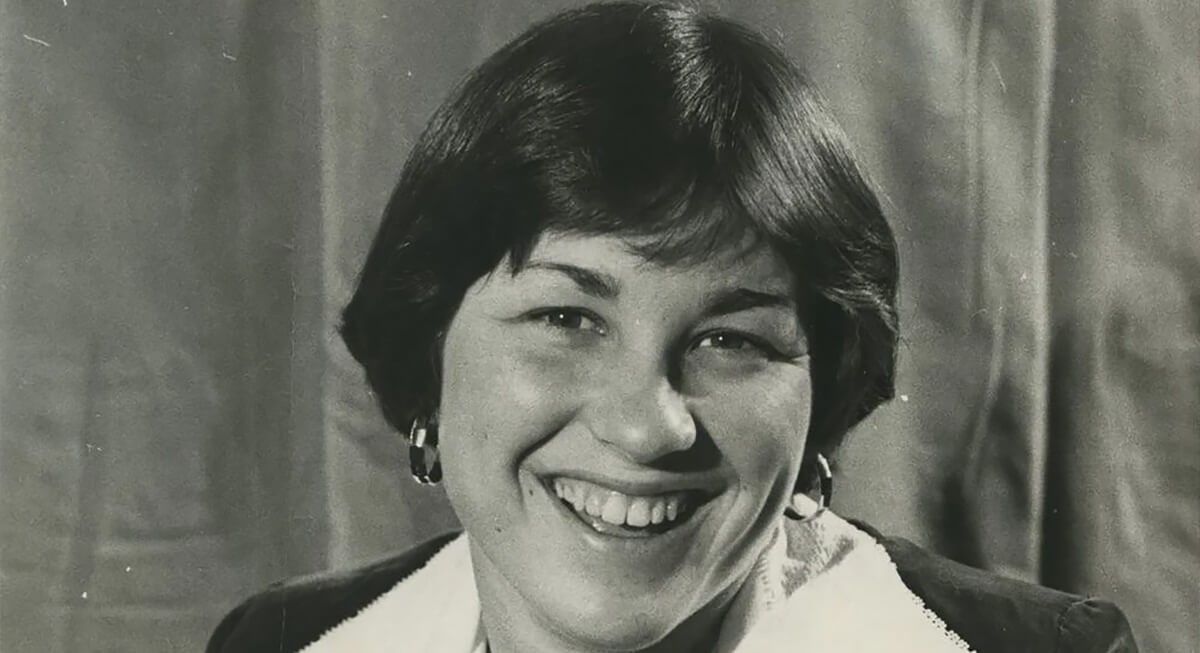
Credit: ebay
In 1978, Carol Blazejowski declined a pro contract to maintain her amateur status and stay Olympic-eligible. She was the same basketball player who scored 52 points in a game at Madison Square Garden and finished college as the all-time leading scorer in women’s Division I history at that time. Then the 1980 boycott hit. The pro league she joined afterward folded in 1981, marking the end of her playing career, as she never got to represent the USA afterward.
Evelyn Ashford
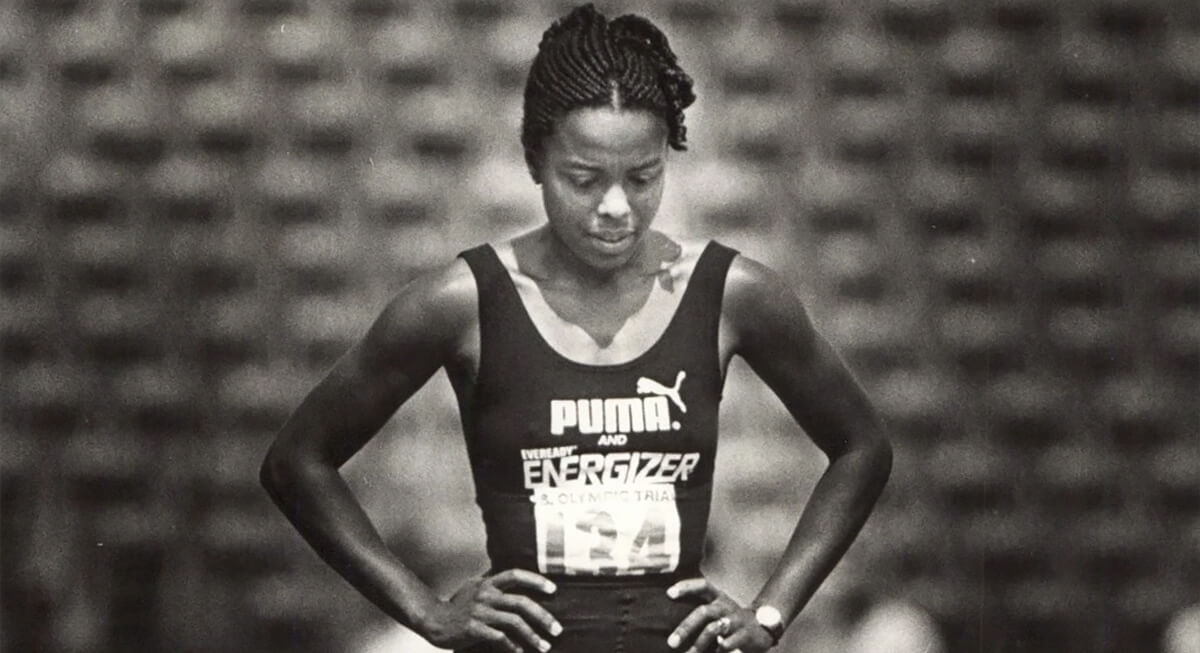
Credit: ebay
Heading into 1980, Evelyn Ashford was the best female sprinter on the planet. She beat both the 100m and 200m world record holders the year before and was the first American woman to break 11 seconds. The boycott hit, and she tore her quad, ending her season that year. Although the Louisiana native won gold in 1984, the window when she was truly untouchable was 1980, and she had no Olympic laurels to show for it.
Jill Rankin Schneider
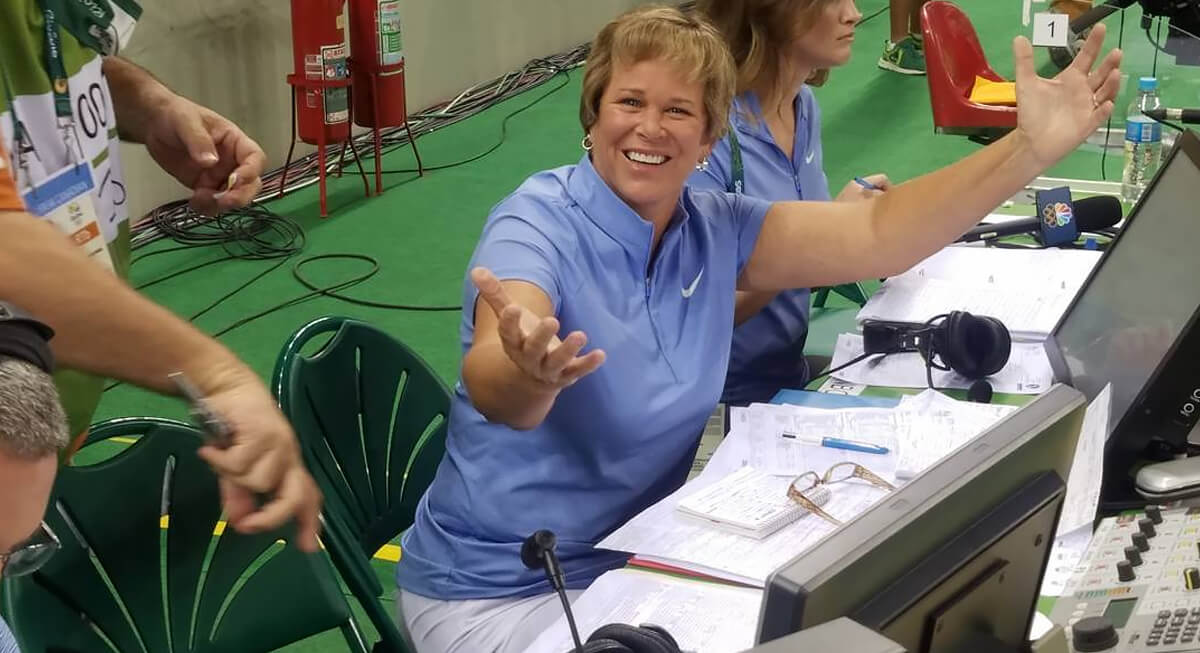
Credit: Instagram
Jill Rankin Schneider was co-captain of the 1980 U.S. Women’s Olympic Basketball Team. After the boycott, she pivoted into coaching, working under Pat Summitt, then under Jody Conradt at Texas, where the Longhorns won the 1986 NCAA title. She later guided both the USA Basketball’s under-16 and under-17 teams to gold. The career she built was impressive, but never included Olympic laurels as a player.
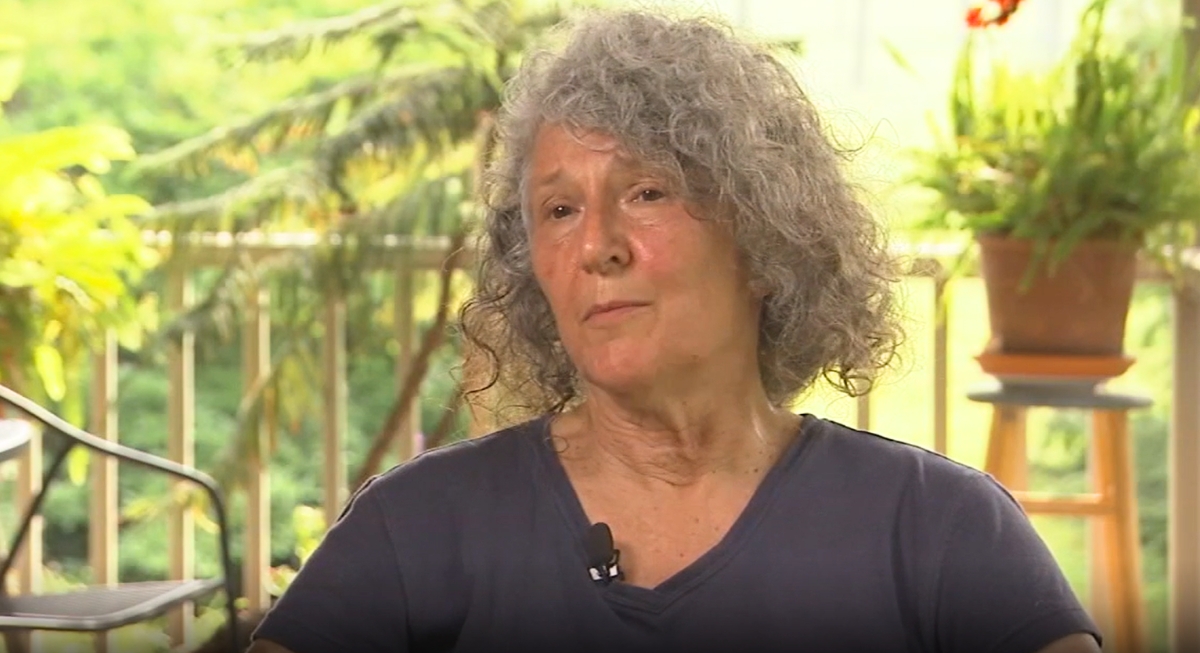
Julie Staver
Credit: 6abc
Breaking bad news is never an easy task, especially when you have to do it to several people. Moscow 1980 marked the U.S. women’s field hockey team’s Olympic debut, and Julie Staver was the captain. When the boycott was confirmed, Julie personally called each teammate with the news. She would return for 1984 and help the team win bronze. Still, missing the previous Olympic Games must have been anticlimactic at the time.